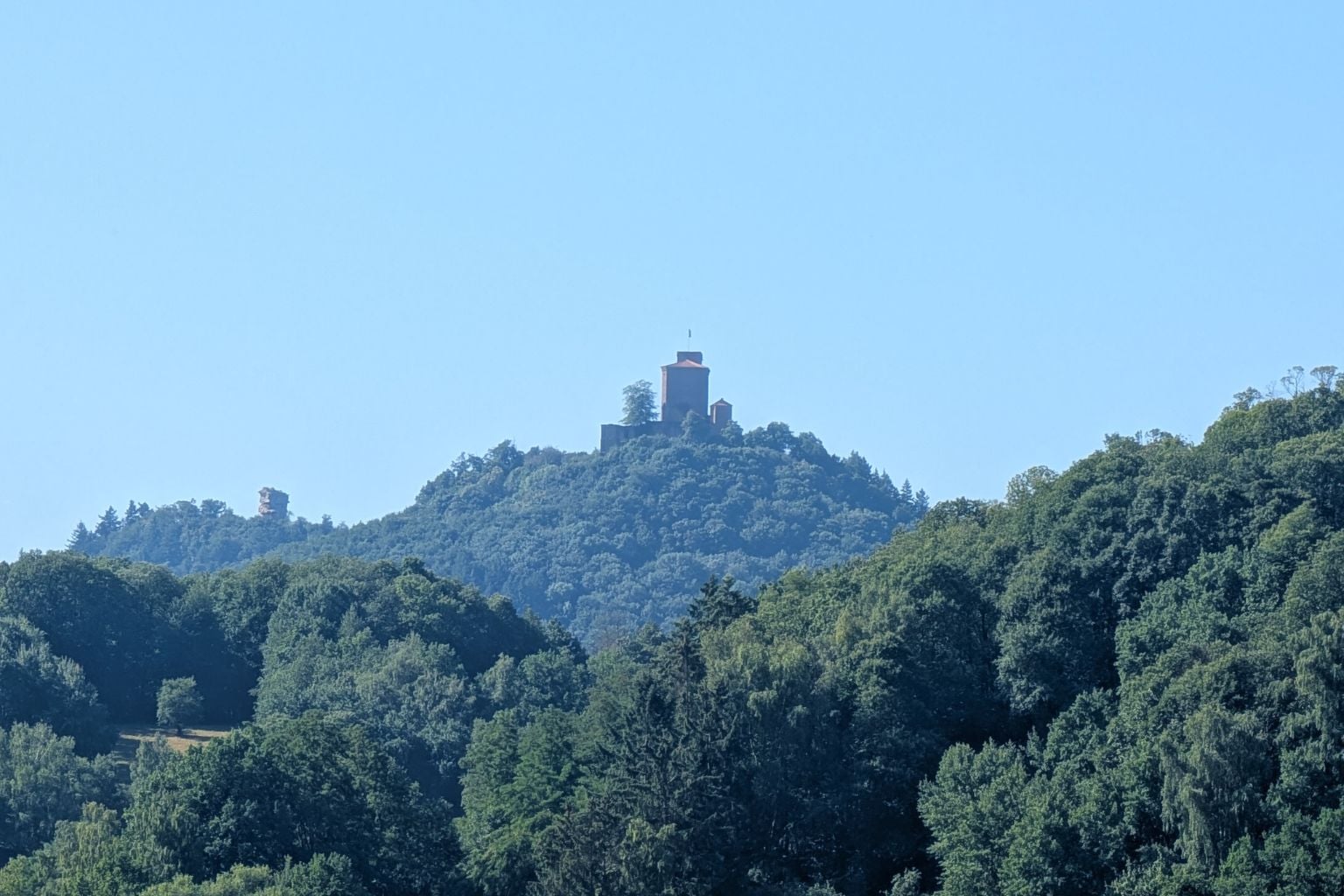
The Burgruine Trifels in Southwestern Germany's Palatinate region, which is undergoing a green transformation.

Germany has a 150-year-old rule about forests. It may be the sanest idea in travel right now.

Southwestern Germany’s Palatinate region demonstrates how sustainable tourism can work in practice. The area combines 130 medieval castles with Germany’s only cross-border UNESCO biosphere reserve. Local foresters developed the sustainability concept Nachhaltigkeit over 150 years ago, establishing one core principle: never extract more wood from a forest annually than it can naturally produce. This simple rule of consuming only what you produce now guides everything from fungus-resistant grapevine cultivation to circular economy oil mills that repurpose press cake waste into high-protein food ingredients.

UNESCO-protected Luang Prabang is one of Southeast Asia’s most picturesque cities—but its rising tourism comes with environmental costs. From a plastic-free hotel to methane-reducing buffalo blocks, local innovators are pushing for a model of sustainability that preserves culture and empowers the community. Can these efforts shape a more responsible future for Laos?

Can a green hotel (and a side of buffalo milk) save Luang Prabang?

A visit to Luang Prabang in Laos feels like stepping back in time. French colonial buildings line streets next to the slow-moving Mekong River. Buddhist monks in their saffron robes collect alms at dawn. The famous night market, with its street food vendors, beckons you with traditional Lao dishes like Khao Niaw, a sticky rice, or steamed fish.