in this commentary
- Tokyo’s fast pace and density are driving travelers to seek new and traditional wellness treatments to combat stress and jet lag.
- Hotels and spas are innovating with everything from high-tech beds and “sleep cocoons” to traditional practices like shinrin-yoku (forest bathing).
- Wellness isn’t just a luxury; travelers are finding affordable and even free options, like visiting parks or shrines, to de-stress in the hectic city.
No city in the world stresses you out quite like Tokyo. With its narrow streets, densely packed subways and frenetic pace, it’s no wonder the Japanese capital also has a famous wellness culture to treat the inevitable anxiety.
Tokyo’s hotels and spas are answering the call with new products and treatments ranging from traditional massages to forest bathing. Travelers to Tokyo are also escaping the city to the tranquility of places like Yokohama, a nearby port city.
“In today’s fast-paced and often overwhelming world, people are looking for meaningful ways to escape daily stress and prioritize their well-being,” says Soo Yoon, the hotel manager at The Westin Yokohama. “With constant digital connectivity, demanding work environments, and societal pressures, the need to disconnect and restore inner balance has never been greater.”
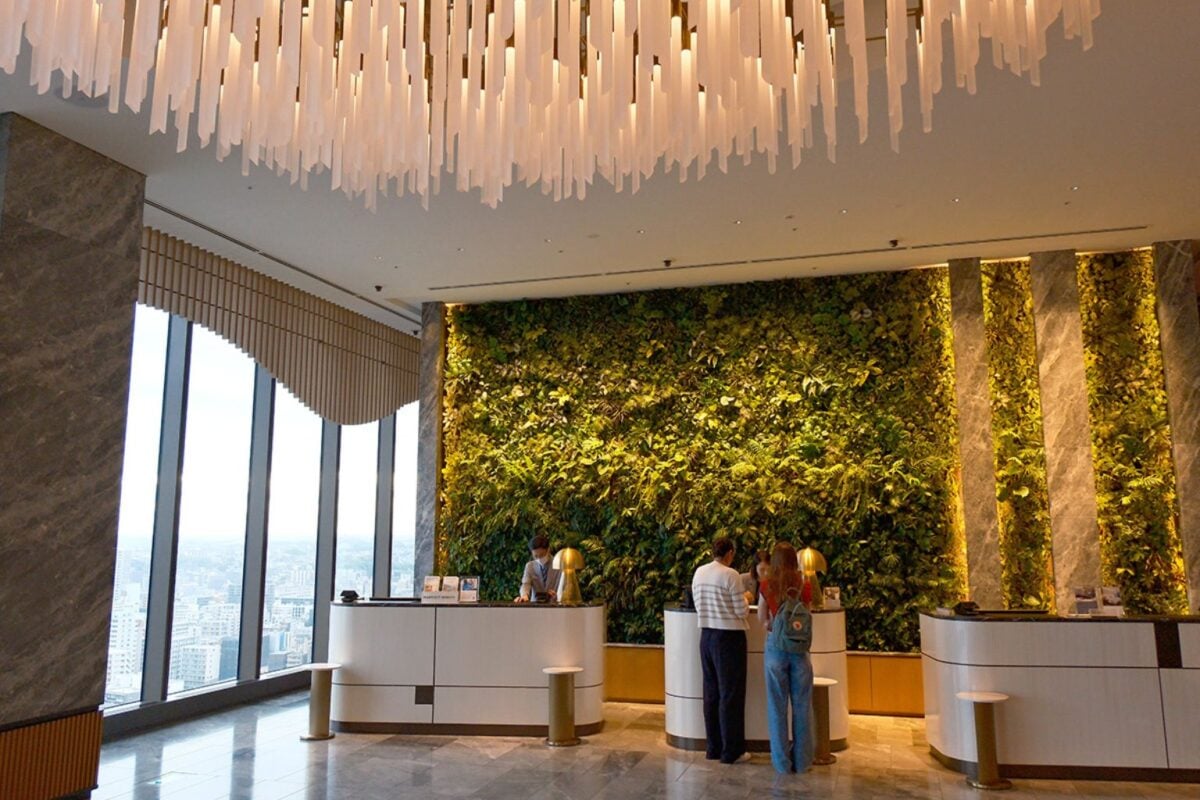
The Westin checks a lot of boxes when it comes to wellness. It’s the first Westin property in Japan to feature the chain’s Heavenly Bed 2.0, which is designed to offer a better sleep experience. It’s also the first Westin in the country to have the chain’s new Heavenly Spa.
“Everything we’re trying to do here is related to wellness,” Yoon explained.
Your voice matters
Tokyo is known for its frenetic pace, but it’s also a hub for wellness. From “forest bathing” to high-tech hotel beds, travelers are seeking ways to de-stress and beat jet lag. We want to hear your thoughts.
- What’s your single best strategy for overcoming severe jet lag on a trip to Asia?
- Have you ever tried a wellness trend while traveling (like an onsen, forest bathing, or a special spa treatment)? Was it worth it?
- Do you find big cities like Tokyo energizing or overwhelming?
Why is Tokyo known for wellness?
Tokyo is home to 37.8 million people, making it the most populous metropolitan area in the world. It has a well-deserved reputation for having an almost unstoppable pace. Tokyo’s underground passageways are teeming with continuous crowds. Life moves quickly in the Japanese capital, and it’s easy to get stressed out, even if you’re just visiting.
But for visitors, there are two major wellness challenges in Tokyo: It’s not just an anxiety and claustrophobia-inducing place, but also a destination where you’ll get slammed with jet lag if you’re flying in from the United States or Europe.
So it should come as no surprise that Tokyo’s wellness scene is one of the most sophisticated and creative in the world. In a city that’s wound so tightly, people will try almost anything to relax.
Yoon says one of the best ways to deal with the stress is to get out of town. Yokohama, just a half-hour by train from Tokyo, offers a little more room — wider sidewalks, open spaces, lush greenery, and more affordable hotel rates compared to the capital city.
Well, one thing in Tokyo and other cities in Asia that added to my stress when traveling there was all the -controls on the high tech toilet/bidet-. The last thing you want when stumbling into the bathroom is to try to figure out what all those icons mean! Toilets should not require a user manual.
Read more insightful reader feedback. See all comments.
“A significant number of visitors are locals from Tokyo who come here on the weekend for a staycation,” she noted.
She says travelers to Tokyo have become more discerning when it comes to wellness. They’re not just looking for a spa or a healthy meal. They want full wellness integration, from sleep to exercise.
They’re also looking for something new. Arvind Rongala, the CEO of a corporate training company, often travels to Tokyo. After a marathon flight from the United States, arriving in Japan is a double-whammy of stress and jet lag. So on his last visit, he headed to Yoyogi Park, one of the largest green spaces in the city, for a relatively new wellness practice called shinrin-yoku, or forest bathing. It’s a Japanese practice of spending time in nature to connect with the environment.
“A guided session truly helped reset my body clock,” he says. “There was just silence and pure air. Compared to melatonin pills, it was more effective.”

Massage beds at the Westin Yokohama.
What kind of wellness innovations are happening in Tokyo?
Like Tokyo itself, the number of wellness offerings is diverse.
Sleep upgrades
Many hotels in Tokyo emphasize a better sleep experience. For example, luxury ryokans like Hoshinoya offer specialized programs, including rooftop onsens (baths) with natural minerals and deep breathing exercises designed to improve sleep quality. Yotel Tokyo Ginza has introduced technologies and supplements like FlyKitt Rescue to address jet lag. Even capsule hotels are being reimagined as “sleep cocoons,” offering soundproofing and darkness.
Traditional healing practices
Beyond onsens, traditional rituals continue to offer wellness benefits. For example, the jibarai purification ritual at Tsurugaoka Hachimangu Shrine in Kamakura, just outside Tokyo, is sought for its healing properties. Jessica Gury visited the historical shrine recently. “It was a peaceful, mindful moment that blended spirituality and well-being in a very accessible way,” says Gury, who publishes a recipe website.
Massage innovations
Some hotels are moving beyond traditional Swedish massages. Conrad Tokyo’s Mizuki Spa offers a foot treatment, followed by a traditional hinoki (Japanese cypress) bath experience. It’s designed to bring the body into balance using bamboo sticks. Yoon, the Westin’s manager, says the Heavenly Spa in Yokohama has been busy developing new treatments that it plans to roll out soon.

The entrance of the Yotel Ginza.
Wellness in Tokyo is affordable — or free
One common misconception is that a wellness experience is a luxury. But some Tokyo hotels are fighting that perception, too.
For example, at Yotel’s new flagship hotel in Ginza, there’s an emphasis on budget-friendly wellness and recovery.
Yotel’s modest rooms have what it calls SmartBeds designed for an upgraded sleep experience, as well as rain showers stocked with Urban Jungle soaps and amenities. These include a skin recovery kit with the Dust It Off exfoliator and Plump Fiction serum. Expansive floor-to-ceiling windows provide natural light so you can quickly recover from jet lag after a long flight.
But other wellness offerings in Tokyo are completely free. A walk among the trees in Yoyogi Park or a visit to a nearby shrine or temple doesn’t cost a thing, and it can enhance your wellness in a hectic place like Tokyo.
What’s the future of wellness in Tokyo?
Yoon says when it comes to wellness, the Tokyo metropolitan area is on the verge of an exciting era of innovation.
“Everyone wants to know how they can improve their lifestyle,” she says.
Yoon has noticed that other hotels are also taking wellness more seriously. To her, wellness is not one product but many, starting with the decor and the water fountain in the lobby, to the signature White Tea scent in the spa, the lavender in the rooms, and the healthy menus. It all adds up. And she’s seen more hotels in Tokyo embrace that holistic sense of wellness to help guests de-stress and recover from jet lag.
The ongoing development of new treatments, the integration of technology, and a deeper understanding of individual needs suggest that the landscape will continue to evolve. And maybe they will make Tokyo a little less stressful for visitors, too.
Tokyo wellness guide
How travelers are fighting jet lag and stress
Upgraded sleep experiences
Traditional and new practices
Accessible wellness for all
What you’re saying
Readers are split on what causes stress in Tokyo. While some debate the city’s pace, the top comment from deemery points to an unexpected source: the high-tech toilets, which “should not require a user manual.”
-
The real stressor: Toilets?
The top comment from deemery argues that the real stress comes from an unexpected source: the “controls on the high tech toilet/bidet,” joking that “Toilets should not require a user manual!”
-
A low-stress metropolis?
Not everyone agrees with the article’s premise. OnePersonOrAnother argues that Tokyo is a “really low-stress metropolis, given how well-ordered and safe it is,” especially when compared to places like São Paulo.
-
It’s about maintenance, not pampering
Jennifer agrees with the article’s point that wellness in Tokyo is “maintenance,” not a luxury. Other readers, like Gerri Hether, focus on the practicalities of beating jet lag, such as using flat-bed seats.
Read more
-

Downgraded on my flight from Sydney to Tokyo! Why won’t Booking.com refund my money?
A traveler is downgraded from business to economy class but struggles to get a refund from the online travel agency.
-

In for the long haul? Here’s how to choose the right airline
When you’re flying for hours, not all airlines are created equal. Here’s what to look for when choosing a carrier.
-
Should you pay extra for an airline seat assignment?
Airlines are charging more for seat selection. Find out when it’s worth paying the fee and when you should just skip it.



Have a question about this story? Tell us what happened — we read every comment.
Join the conversation