in this case
- A traveler pays nearly $5,000 for “fully refundable” flex tickets to Amsterdam, expecting peace of mind.
- Upon cancellation, KLM returns less than half the money and traps the customer in a loop of confusing excuses about fare rules.
- See if the airline is enforcing a hidden restriction or if it’s holding the cash hostage in a bureaucratic glitch.
After Mel Stevenson cancels her fully refundable KLM flex ticket, the airline only refunds her half the money. Can she get the rest?
Question
I am writing because I hope that someone at KLM will help me with a refund for a “flex” flight I purchased this summer. This email comes from a place of desperation, as I’ve had a terrible time trying to contact KLM and getting any information regarding my refund.
Last year, I booked three round-trip “flex” refundable tickets from Washington, D.C., to Amsterdam on KLM.com. I paid $4,907 for the tickets.
In April, I had to cancel the trip, so I went to KLM.com and initiated a cancellation. The next week, KLM credited my card for $2,293, less than half the amount of the original tickets.
I’ve been in contact with KLM through multiple channels, including phone, WhatsApp and Messenger, and I’ve had a very difficult time getting any information on the status of the remaining refund. Agents don’t have complete information and also seem to invent policies as they go.
I’ve spent hours trying to settle this issue and each communication with KLM customer service leaves me more confused than when I started. By making the refund process as opaque, time-consuming, and difficult as possible, KLM is engaging in unethical and possibly fraudulent behavior. Can you help me? — Mel Stevenson, Takoma Park, Md.
Your voice matters
Mel Stevenson paid nearly $5,000 for “fully refundable” tickets, but when she canceled, KLM kept over $2,500. The airline claimed her specific fare didn’t qualify, despite the “flex” label. We want to hear your thoughts.
- Do you trust the “fully refundable” label when booking flights, or do you assume there is always a catch?
- Have you ever purchased a “flex” ticket only to find out it wasn’t as flexible as advertised?
- Should regulators crack down on airlines that use terms like “refundable” or “flex” for tickets that still have heavy restrictions?
Answer
You should have received a prompt refund for your ticket.
KLM’s flex ticket allows you to change your flight without paying a change fee (you only pay the difference, if applicable). You can take an earlier or later flight without paying a change fee if seats are available. And, most importantly, you can cancel your flight and get a refund without paying a cancellation fee.
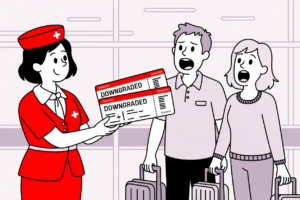
So why didn’t you get it? Sometimes, airlines process refunds in batches, and it’s possible that KLM processed two tickets and intended to do the other two later. It’s also possible that the carrier misunderstood its own ticket terms — I’ve seen that many times. (Related: Downgraded from business class to economy on KLM. But they messed with the wrong passengers!)
All KLM would say, repeatedly, was that your fare did not qualify for a refund, even though you had purchased a fully refundable flex fare.
It is interesting that vendors and charge cards can charge interest for every month you do not pay a bill. We, as consumers, should charge interest for every month a promised refund is not made.
The wonder of compound interest would make a delay in the refund more palatable.
Read more insightful reader feedback. See all comments.
Flex tickets are not always what you think
Airlines advertise flexible tickets as a solution for travelers who need the freedom to change their plans without incurring hefty fees. But let’s be honest: there’s a catch. There’s always a catch. (Related: KLM forced me to pay another $550 because I was a “no show.” But I wasn’t!)
Flex tickets can come with their own set of restrictions. If you’re not careful, you could end up with a worthless ticket. Here’s a rundown of some common roadblocks:
What are the restrictions on flex tickets?
- Higher costs. Flexible tickets usually cost more than a standard economy class ticket — a lot more. So, while you’re paying for flexibility, it might not be the best deal.
- Fare differences. Even if you can change your flight without a fee, you may still have to pay any difference in fare. If you’re switching to a more expensive flight, that added cost can quickly negate the benefits of your flexible ticket.
- Limited availability. Just because you have a flexible ticket doesn’t mean there will always be seats available on your desired flight. If you’re trying to rebook during peak travel times, you might find yourself out of luck.
- Time restrictions. Some airlines impose time limits on when you can make changes. For instance, you might need to alter your itinerary several days in advance, which can be problematic if you’re dealing with last-minute changes.
- Complicated policies: Each airline has its own rules regarding flexible tickets, and these can vary widely. Read the fine print before purchasing to avoid surprises later.
How to get around the flex ticket roadblocks
- Do your homework. Before booking, compare the flexible policies of different airlines. Some may offer better terms than others, so it pays to shop around.
- Know the rules. Always review the terms and conditions associated with flexible tickets before purchasing. Understanding what’s included (and what’s not) can save you from unexpected fees later on. (Related: Did KLM lie about her ticket refund?)
- Consider an upgrade. If you’re frequently changing plans, consider booking a higher cabin class that often comes with more lenient change policies. This might save you money in the long run.
- Book directly. When possible, book directly through the airline’s website instead of a third-party sites. This way, you’ll have access to the most current policies and customer service options if changes are needed.
- Stay up to date on airline policies. Airline policies can change frequently, especially in response to global events like pandemics or economic shifts. Regularly check for updates on your airline’s website or sign up for alerts.
- Get ahead of any changes: If you know your plans might shift, don’t wait until the last minute to make changes. The earlier you act, the more options you’ll have available.
While flexible tickets are designed to give you peace of mind, they come with their own set of challenges that require careful navigation. By understanding these restrictions and employing smart strategies, you can make the most of your travel plans.
How did you get this KLM flex ticket problem resolved?
You kept great records on your refund request. I might have limited my interaction with KLM to text messages or emails, which would ensure there’s a record of your conversation. But it’s clear that KLM sold you a fully refundable ticket and that you should have received a prompt refund.
It looks like you did everything you could. You even appealed this to the top executives at KLM. (I list the names, numbers and email addresses of the KLM customer service executives on this site). But they ignored you.
Come on. Airlines can’t just sell you a fully refundable ticket, and then only refund half of it. After my advocacy organization asked about this case, KLM sent you an email.
“After thoroughly reviewing your previous reservation, we have determined that your tickets are indeed fully refundable,” it said. KLM processed the rest of your refund, as promised.
The truth about “Flex” tickets
Why “fully refundable” doesn’t always mean what you think
The hidden restrictions
How to protect yourself
If the airline shorts you: fight back
Executive Contacts
Is KLM giving you the runaround on a refund or “flex” ticket issue? If customer service isn’t helping, try escalating your complaint to these executives.

What you’re saying
Readers say this case reflects a broader industry problem: refunds that look straightforward on paper but require persistence, escalation, and public pressure to resolve. Many believe companies benefit when customers give up.
-
Delays feel strategic
Dangerous Ideas and Dan argue that partial or delayed refunds often rely on customer confusion, turning mistakes into profit through attrition.
-
“Fully refundable” rarely means simple
Miles Will Save Us All, Jennifer, and 737MAXPilot say fare labels like “Flex” mask fine print, forcing customers to fight for money they are clearly owed.
-
There is no penalty for dragging it out
Sam Phillips Gershenfeld suggests delayed refunds should accrue interest, while others ask why regulators allow companies to ignore refund rules without consequence.


Have a question about this story? Tell us what happened — we read every comment.
Join the conversation