


in this case
- A traveler uses his Marriott Bonvoy points for a “Homes & Villas” rental, only to find it uninhabitable due to a strong smell of mold and filthy conditions.
- Marriott initially defers responsibility to the third-party rental manager, leaving the customer trapped in a bureaucratic loop without his points.
- This case highlights the critical importance of documenting everything—especially health hazards—when dealing with brand “partnerships” that can obscure who is truly accountable.
When Chris Skaggs checks into his vacation rental, he finds it uninhabitable. But can he get a refund of his Marriott Bonvoy points, which he used to make the reservation?
Question
I recently rented a condo in Florida through Homes & Villas by Marriott. I used my Marriott Bonvoy points to make the reservation.
When I arrived, I discovered the unit was uninhabitable. The condo smelled of mold and mildew, and the furniture was threadbare and filthy. I had difficulty breathing.
I left shortly after arriving and had to go to a hotel for the night. I tried to contact the vacation rental company numerous times, both before I left and after I checked out. I also asked Marriott for help but I never heard back from the vacation rental company.
Read more insightful reader feedback. See all comments.
I would like my points refunded. But Marriott is deferring to another company that manages its vacation rentals and will not give me my points. Can you help? — Chris Skaggs, Canton, Mich.
Answer
Marriott’s vacation rental site promises its homes are “professionally cleaned and inspected,” but it looks like they missed a few spots in your condo. You shouldn’t have to stay in a place like that.
Your voice matters
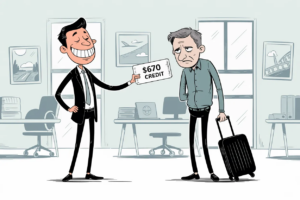
Marriott put its name on this rental and accepted the Bonvoy points, but pointed the finger at a third party when the property was uninhabitable. Where does the buck stop?
- When a major brand like Marriott lends its name to a third-party rental, should it be fully responsible for the quality of the property?
- Have you ever been caught in the middle between a big company and its partner?
- Does paying with loyalty points make you feel like you have fewer rights than a cash-paying customer?
Your rights to a refund aren’t governed by Marriott’s terms of service but by the rental agreement you signed with that third party. Under most rental contracts, you can get a refund if there’s a problem with the health or safety of the unit. Mold and construction definitely qualify, but you need to work that out with the rental company.
You gave the rental company and Homes & Villas by Marriott a chance to resolve this, but it looks like it didn’t. I think Marriott was correct to refer you back to the rental company — except when it comes to the refund. Only Marriott can return your Bonvoy points. (Related: Oh no, my hotel rewards have been downgraded!)
I reviewed your paper trail. You didn’t mention your rental contract in your discussions with Marriott or the vacation rental agency. You did, however, show it photos of the threadbare furniture. (Related: They canceled my flight. Can I get a refund for my Marriott Vacation Club Points?)
When you find yourself in a situation like this — and I hope you never do again — you have to document everything. Keep your contracts and emails, and take lots of photos — not just of the threadbare furniture, but of any mold or dangerous conditions that would prove your rental is uninhabitable. (Related: I lost 80,000 Marriott Bonvoy points. Can you get them back?)
Can he get his Marriott Bonvoy points back?
Ultimately, I think Marriott bears some of the responsibility for this rental. After all, it put its name on your rental and allowed you to use your points. The least it could do is give you a straight answer before referring you back to the rental company. I list the names, numbers and emails of Marriott’s executives on my consumer advocacy site called Elliott.org. I think a brief, polite email might have helped resolve this.
I contacted Marriott on your behalf. It refunded your points without offering any further explanation.
The brand name promise
A traveler’s guide to third-party partnerships.
The promise
-
Vetted quality
You expect a property that meets the high standards of the brand you trust.
-
Seamless support
You expect customer service from the company whose name is on the booking.
-
Loyalty matters
You expect your points to be treated like cash, with the same protections and refundability.
The reality
-
Third-party roulette
The property is managed by an unknown company with different (or lower) standards.
-
The runaround
The brand tells you to contact the partner, who may be unresponsive or unhelpful.
-
Points in peril
Getting points back often requires the brand’s approval, but they defer to the partner’s decision.
Your playbook when a partner fails
Cite the contract
Reference the third-party rental agreement, which governs health and safety issues.
Document everything
Send photos and videos proving the unit is uninhabitable to both companies.
Escalate to the brand
Contact the brand’s executives. They put their name on it, they are accountable.
Need to contact a Marriott executive?
Marriott lent its name to this rental but deferred to its partner when things went wrong. If you’re stuck in the middle, it’s time to find a human. Get the executive contacts →



Have a question about this story? Tell us what happened — we read every comment.
Join the conversation

What you’re saying
This case sparked a spirited debate about where the buck stops with brand partnerships, whether the free market can truly regulate itself, and the frustrating reality of online review systems.
Marriott’s responsibility is not debatable
Most commenters, including Jennifer and Tim, agree that if Marriott puts its name and points system on a rental, it can’t pass the buck to a third party. The Brown Crusader adds that Marriott’s ultimate decision to refund was likely a calculated move to protect the valuable Bonvoy brand, not an admission of direct liability.
The review system is broken
George Schulman makes a critical point echoed by others: the “free market” can’t work if consumers are prevented from leaving negative reviews. He notes that guests who leave a property often can’t review it, and some owners condition refunds on silence, effectively hiding bad properties from the public.
Proactive research is essential
Several experienced travelers, like Sandra, advise that the brand name is no guarantee of quality. They recommend doing your own research to identify the third-party manager and reading their reviews directly before booking. As one commenter put it, the big brand should be your last resort, not your first line of defense.