Cartoon of a distressed woman at an airport with a red suitcase, reaching toward her boarding pass as it floats away in a glowing puff, vanishing from her hands.

My wife’s airline ticket vanished, then Hawaiian Airlines charged me an extra $575

James Phillips did everything by the book. He booked two first-class, round-trip tickets through the Hawaiian Airlines app, one for himself and one for his wife Linda, purchased one after the other on the same credit card. Within minutes, he had written confirmations for both. Then they got to the Honolulu airport. The agent told him his ticket was fine, but Linda’s, confirmed and paid for, had simply been voided. No one could say why. Her seat had already been sold to someone else. To get her on a later flight, Phillips had to buy a brand-new ticket that cost $575 more than the one he had already paid. The airline first hinted his card had been declined, then tried to pin it on a third-party booking channel he had never used, even though he booked directly and had the confirmation to prove it. Who should eat the cost of a mistake the passenger did not make, and what it took to get a straight answer, is where this case turns.

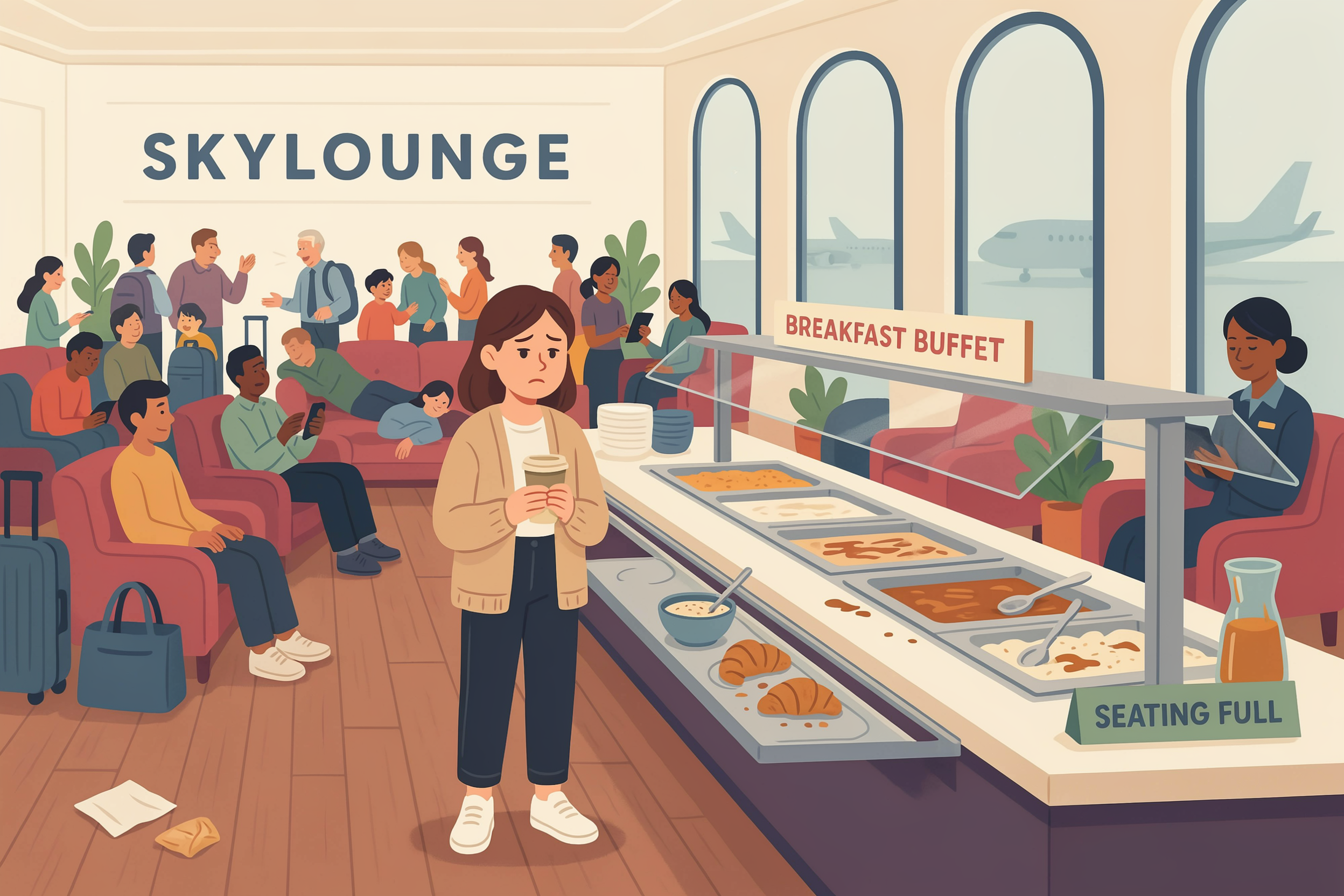
Illustration of a worried woman in a tank top standing at a cruise ship railing, shading her eyes with one hand as she scans the horizon against a clear blue sky.

SAS lost her luggage—then a motel in Stockholm found it

After Patrice Krecek’s suitcase did not arrive at Stockholm’s airport, she did everything right. She filed a Property Irregularity Report with SAS. She submitted a claim. She called customer service, more than once. Maybe she should have checked the Motel L Alvsjo, a 40-minute drive away, because that is exactly where her luggage turned up five weeks later, how it got there a mystery wrapped in pink duct tape. Inside that bag was most of her clothing for a 14-night cruise, including a new sweater she had bought just for the trip and never got to wear. Her husband had wrapped the case in hot pink tape so it would be easy to spot on the carousel, a detail that would matter more than he could have guessed. The motel could only hold the bag for a month before donating it. SAS had the address, the photos, and clear instructions, and still the suitcase sat 4,000 miles away. What it took to finally get it moving, and whether a claim filed one day late would cost the Kreceks everything, is where this case turns.

Cartoon of a disappointed traveler holding a paper coffee cup in a packed airport lounge marked SKYLOUNGE, beside a picked-over breakfast buffet with a "seating full" sign.

Your airport lounge pass Is worthless—unless you do this

The overcrowded airport lounge is no longer a perk. It is purgatory. Karin Kemp can tell you why. She had a four-hour stopover in Washington and thought it was the perfect chance to use her lounge pass. She was wrong. The lounge was full, an agent ordered her to wait, and she finally got in half an hour later. “There was barely anything left on the breakfast buffet,” she says. “If you could call it that.” That is the lounge letdown. What was once a quiet corner of the terminal, your reward for loyalty or a hefty annual fee, has become a cafeteria for the masses, with entry lines longer than the Starbucks queue, food gone by midmorning, and seats that take the sharp elbows of a subway commuter to claim. Blaming credit cards is the easy answer, and it is part of the story. But the real reason the lounge curdled, and what it will cost you to buy back anything resembling exclusivity, is where this gets interesting.

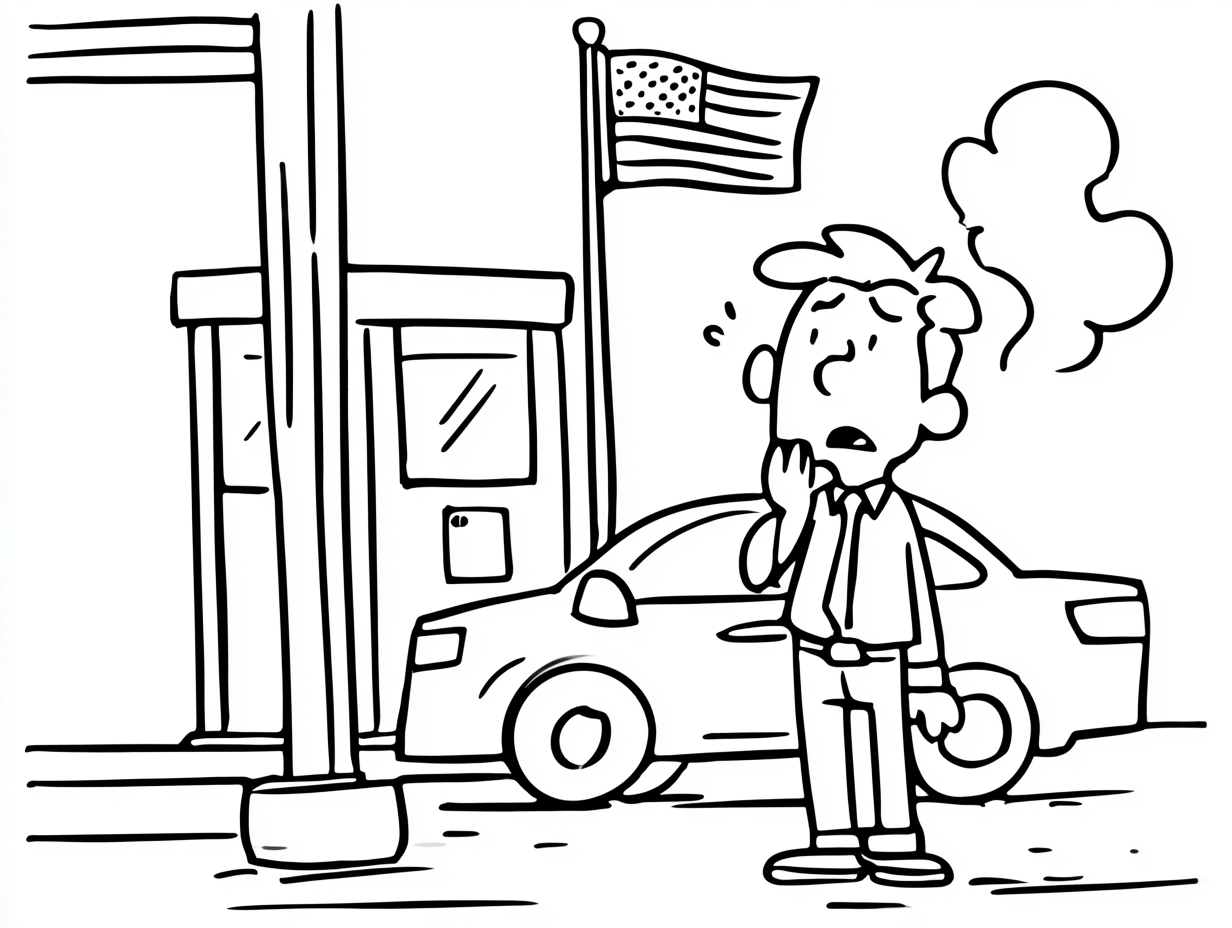
Black and white line cartoon of a worried man standing beside his car with a flat tire on a city street, an American flag flying behind him and steam rising in the air.

America gave the world the gift of travel. Now it’s destroying it.

America gave the world the modern vacation. But as the United States turns 250, it is on the verge of destroying it. The country pioneered the idea that an ordinary person could go somewhere purely for recreation. The long weekend, the affordable plane ticket, the great American road trip, all of them are U.S. exports. It is hard to overstate what this country did for travel: the world’s first national park, the first scheduled passenger airline, the interstate system that birthed a whole roadside culture, and the radical notion that a factory worker with two weeks off deserved a real vacation too. That is the inheritance. Now look at what we are doing with it, the airlines that treat your carry-on as a revenue line, the rental counter that doubles the online price, and a brand-new fee that quietly changed who gets to walk into a forest that is supposed to belong to everyone.

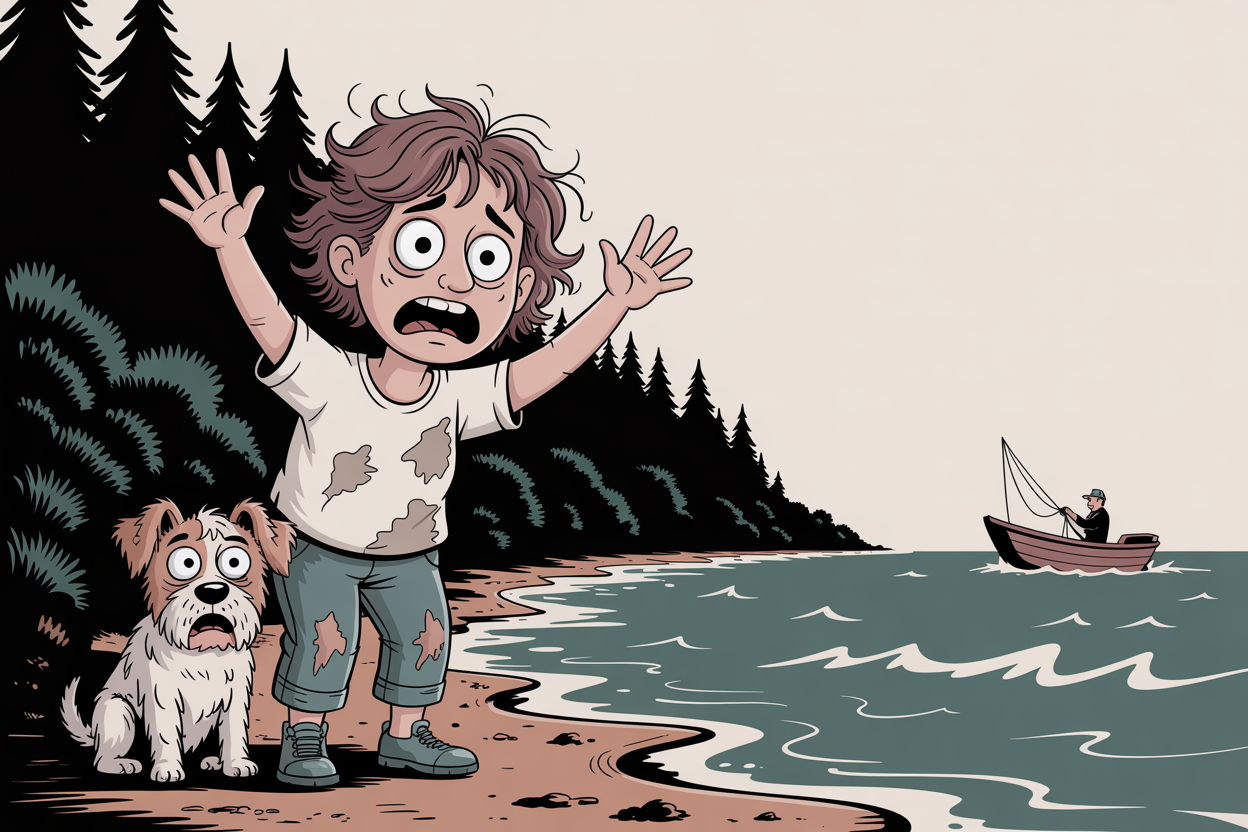
Cartoon of a frazzled, dirt-smudged hiker waving both arms for help on a wooded shoreline beside her startled terrier, as a fisherman in a small boat approaches across the water.

No more digital detoxes? Why you should keep your phone with you when you travel

Michelle Girasole thought she knew Rhode Island’s Beavertail State Park well enough to leave her phone in the car. It was a warm summer morning, and she wanted to catch the sunrise with her terrier, Scooter, and enjoy a few minutes without calls, texts, or notifications. Then she followed Scooter off the path and lost her bearings. She spent the next nine hours stranded, with no water, no sunscreen, and no way to call for help, until a fisherman finally spotted her on the shoreline. “If I had my phone,” she says, “none of that would have happened.” Her ordeal is a warning about the travel industry’s latest wellness obsession, the digital detox, which hotels and tour operators are selling as the only way to truly be present. Nearly every traveler says they want to disconnect. But there is a reason a row of security and medical-evacuation experts say that, for anyone without a private fixer, ditching your phone is not relaxation. It is something closer to recklessness.

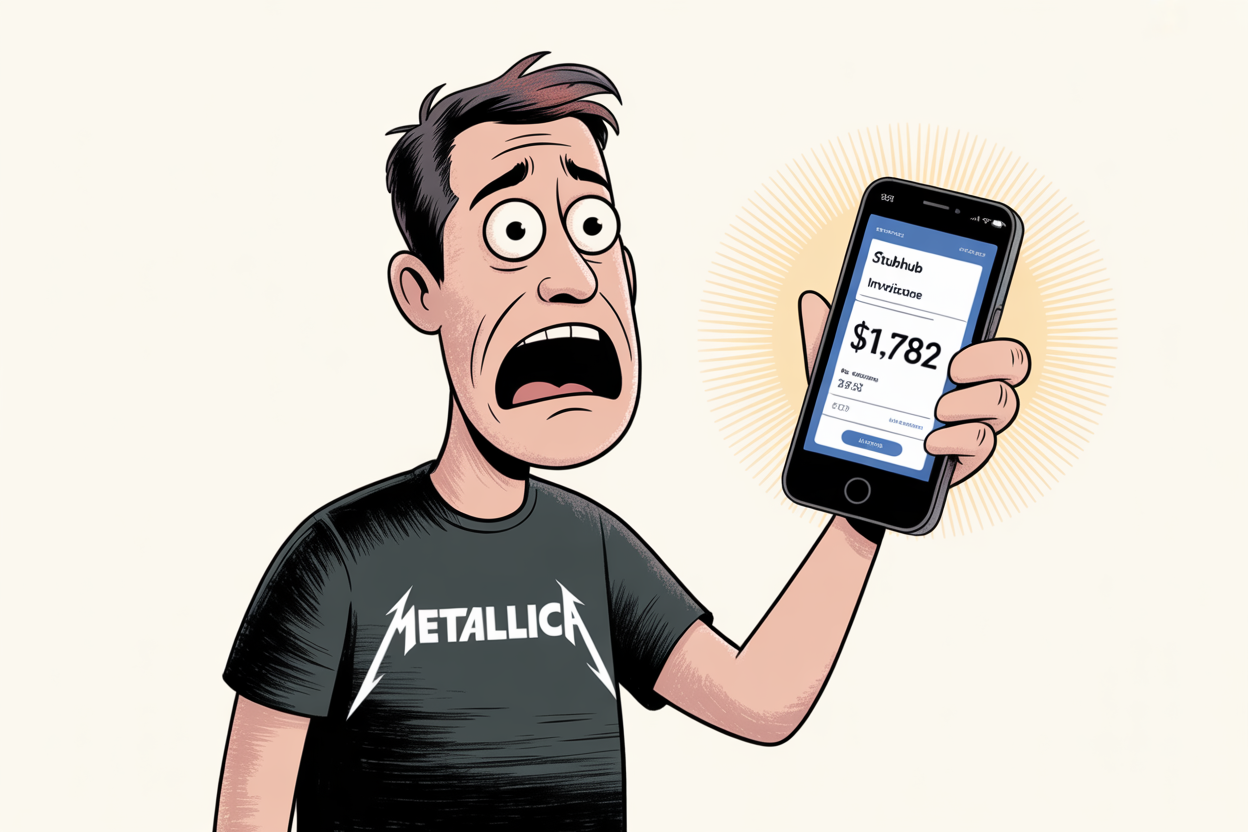
Cartoon of a distressed man in a Metallica T-shirt staring at his phone, which displays a glowing StubHub invoice for $1,782.

My buyer made a big mistake, so why did StubHub charge me $1,782?

Mark Christensen had sold tickets on StubHub for more than 20 years, so he knew the drill. He listed a pair of two-day Metallica tickets, found a buyer, and transferred them exactly the way StubHub requires. For this tour, a single transfer covered both nights. The buyer used the tickets the first night without a hitch. Then things went sideways. Instead of trying the same tickets at the gate the second night, or asking anyone, the buyer assumed they needed a separate transfer and bought brand-new tickets. And that is when StubHub dropped the hammer, on Christensen. It sided with the buyer, withheld his payout, charged his card for the buyer’s new tickets, and even clipped an unrelated sale, a total of $1,782 for a mistake he did not make. Here is the standard worth holding any marketplace to when its guarantee is supposed to protect sellers too.

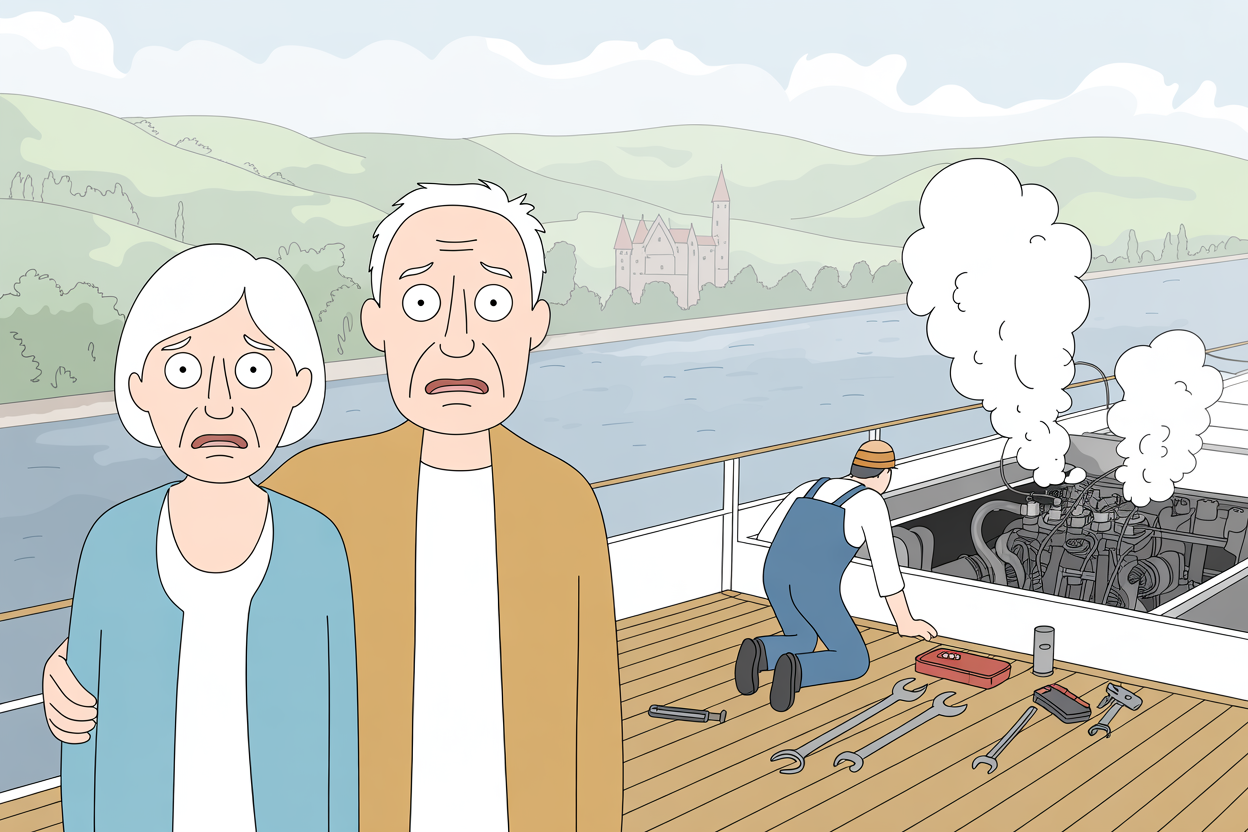
cartoon of a worried older couple standing on a river cruise deck while a mechanic kneels over a smoking engine behind them, with green hills and a castle along the Rhine in the background.

Can this company refuse to cover my costs for a canceled river cruise?

Michael Cawley and his wife had been looking forward to a relaxing six-day Rhine River cruise with CroisiEurope, a gentle start before they carried on to Dublin. What they got instead was a series of mechanical problems and a lot of anxiety. The ship stopped cruising early the first night. The next morning, scuba divers worked under the hull, the departure ran late, and an excursion was scrapped. Then, around midnight, the ship hit something. The hull shook, and at 1:30 a.m. every passenger was roused and herded into the lounge. By the next morning the verdict was in: the cruise was canceled, a bad motor. With nonrefundable travel waiting at the far end and no help yet in sight, the couple booked their own train and hotel to keep their connection, only to be offered an alternative too late to use. CroisiEurope returned the cruise fare. What it decided to do about the rest of their money, and the European law it leaned on to justify it, is where this case turns.

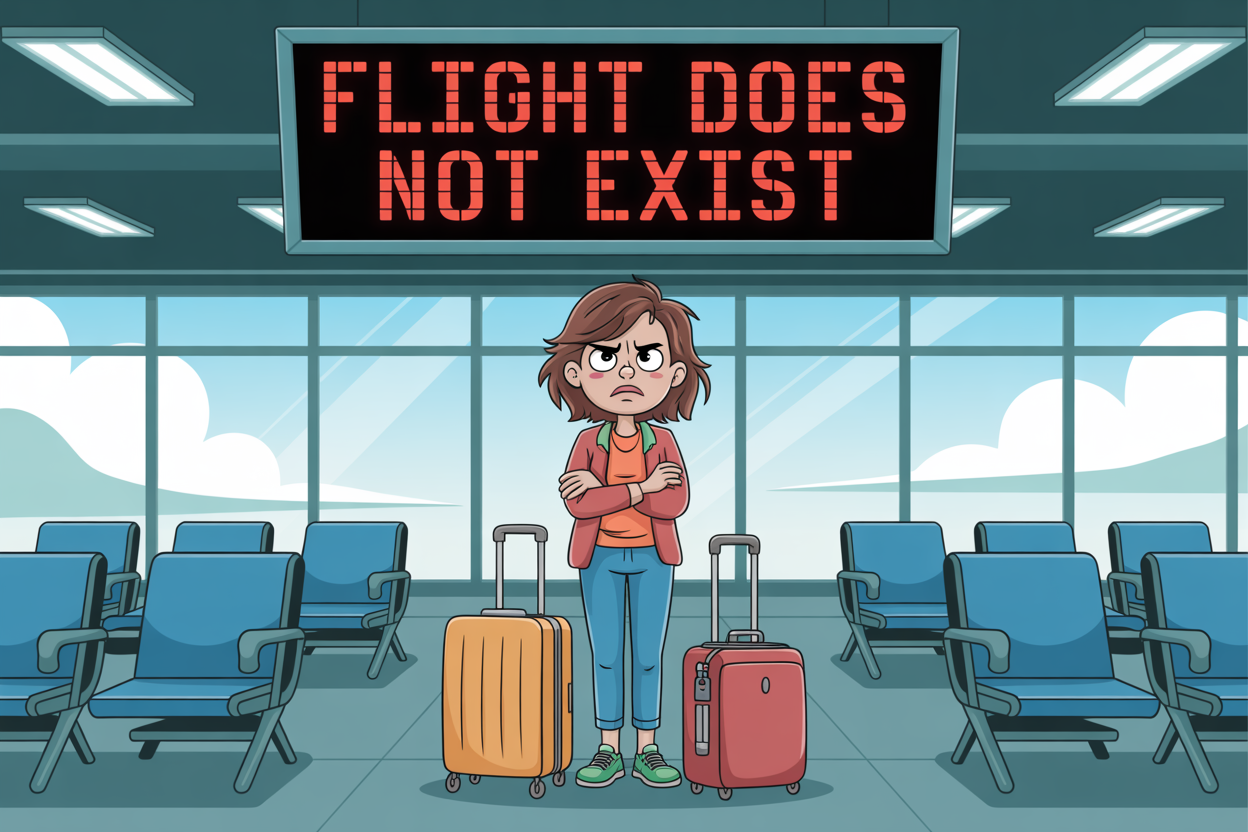
Cartoon of a frustrated traveler with arms crossed standing between two suitcases in an empty airport gate area, beneath a large red departures sign reading "FLIGHT DOES NOT EXIST."

Booking.com said my flight was confirmed, but the airline says it never existed

Lindley Kinerk’s last morning in Dresden seemed routine. She and her companions packed up, checked out, and headed to the airport for their 8:25 a.m. flight home to Boston. They had even gotten a friendly check-in reminder from Booking.com the night before. Then they reached the counter and learned something that would cost them nearly $6,000: their flight did not exist. Not that morning, not any morning. It had been off the airline’s schedule for months. Booking.com, it seems, had quietly rebooked them on an earlier flight and never said a word, and the airline insisted the whole thing was not its problem. With a third ticketing agency tangled into the booking and every company pointing at the others, Kinerk had to buy new tickets on the spot just to get home. What she did next, and what Booking.com eventually said about her money, is where this case turns.

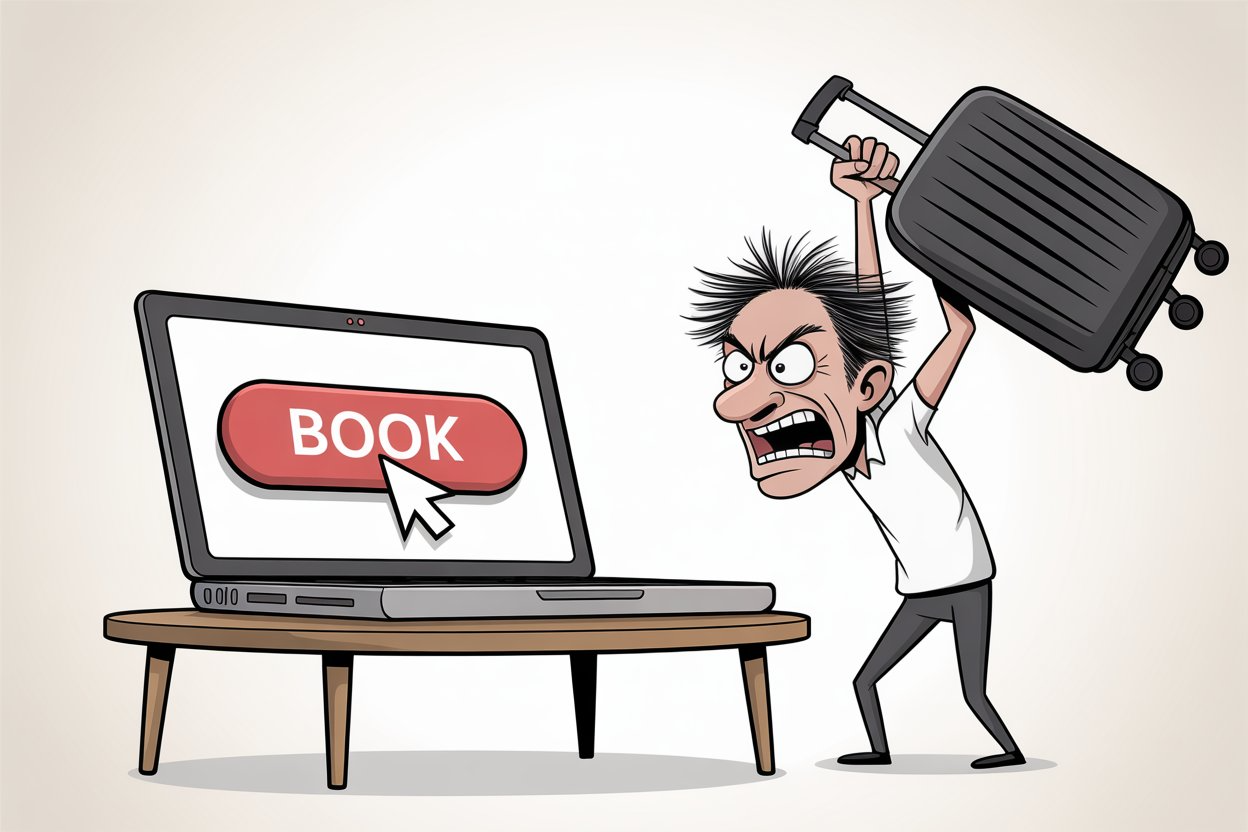
Cartoon of a furious, wild-haired traveler raising a suitcase overhead as if to smash a laptop that displays a large red "BOOK" button on its screen.

Are you rage-booking your next vacation? Here’s how to stop

It was a $12,000 vacation to Bali, booked late one night after a stressful business meeting. Sydney Ceruto, a neuropsychologist, remembers it well, because it happened to one of her patients. “She told me later she didn’t even want to go,” Ceruto says. “She just needed to feel like she was escaping.” We are living in the age of rage-booking, the impulsive travel purchase driven by exhaustion, anger, or heartbreak rather than any real desire to see a place. More than half of American travelers say they feel exhausted, and a striking share admit they have booked a trip purely to get away from their lives. It is reshaping how the whole industry sells to you, and some companies have figured out exactly how to profit from your worst, most depleted moments. The question is whether you can catch yourself before you click, and there are clearer warning signs than you might think.

Minimal black and white line cartoon of a wide-eyed traveler holding a rolling suitcase at an airport counter while an agent behind the desk gestures, suggesting a conversation about baggage.

The war is over. Let’s bring airline baggage fees down now.

Peace negotiators may be dotting the i’s on a deal to end the Iran war, but air travelers are paying attention to something else: the cost of their checked bags. Remember when jet fuel prices spiked after the fighting broke out earlier this year? Every major American airline rushed to raise its checked bag fees. United, American, Delta, Southwest, JetBlue, they all went up. The airlines blamed the war, and at the time they had a point, since fuel had roughly doubled. But then the ceasefire came, oil pulled back from its highs, and guess what? Not one airline has announced it is bringing its luggage fees back down. There is a name for this pattern, and once you see how it works, and what Europe just did about bags while U.S. carriers went the other way, the summer ahead at the airport starts to look very different.