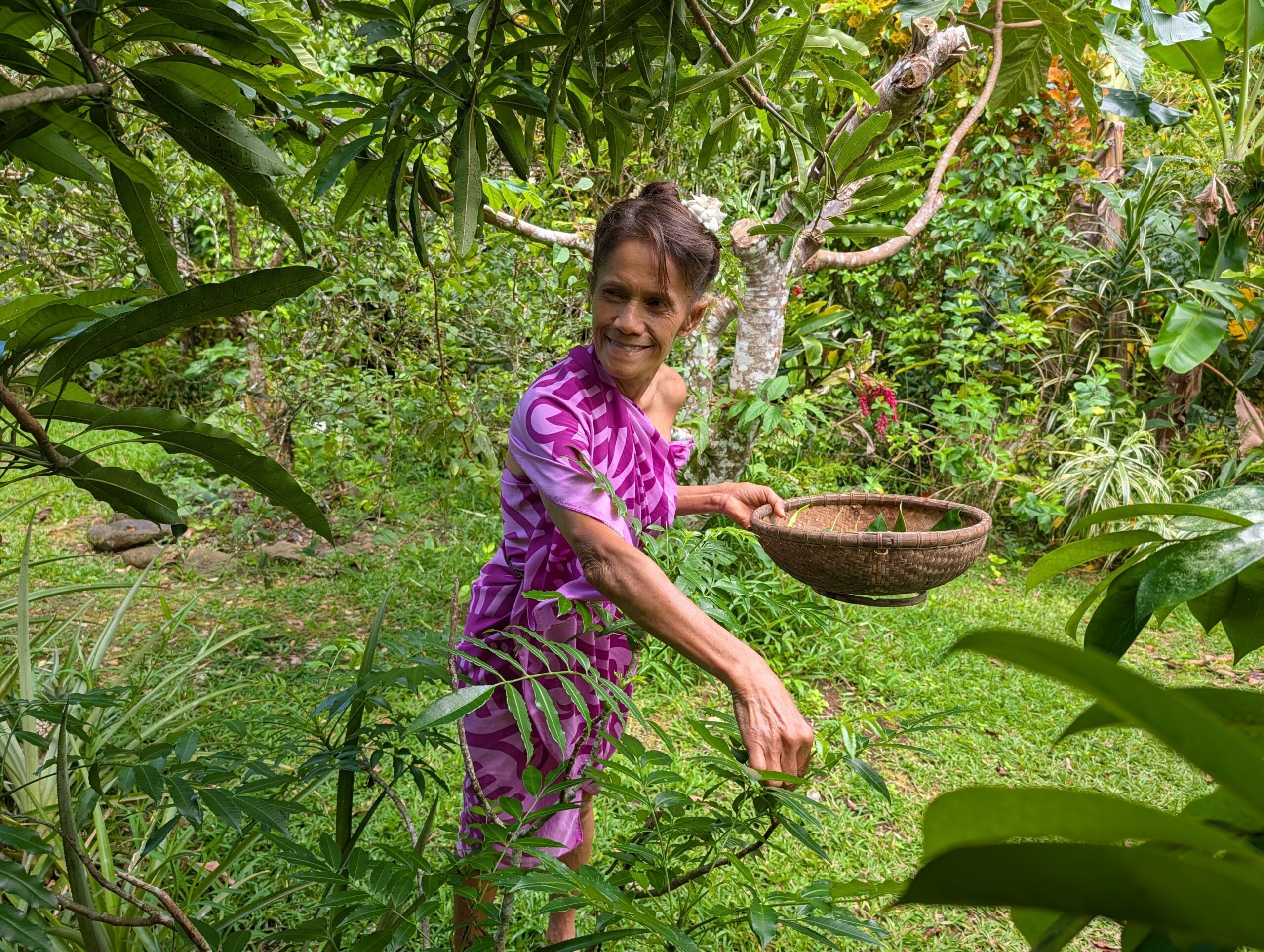
Vicky Tohopu, owner of NIU Shack in Raiatea, collects herbs for her vegan lunch

On Tahiti’s outer islands, time is the ultimate luxury

Vicky Tohopu’s quiche defies French tradition. She binds it not with butter and flour but with a grated breadfruit shell harvested steps from her open-air kitchen, filled with coconut, basil, and lime pulled from the valley’s volcanic soil. Under the table, a puppy named Cleopatra chews on a guest’s slipper. Everything here is vegan, and everything is worlds away from the manicured overwater-bungalow fantasy of French Polynesia. This is Raiatea, one of Tahiti’s outer islands, where Tohopu built a mountain refuge to survive after doctors gave her two months to live fifteen years ago. She unplugged from the grid, installed solar panels, pumped water from the river, and healed herself through a radical return to nature. A short ferry away on Huahine, a vanilla farmer works only half a day because the bean refuses to be rushed, and fishermen still let centuries-old stone traps and the tide bring in dinner. On these islands, sustainability is not a slogan but a rhythm, and the currency that buys paradise is one most travelers have forgotten how to spend.
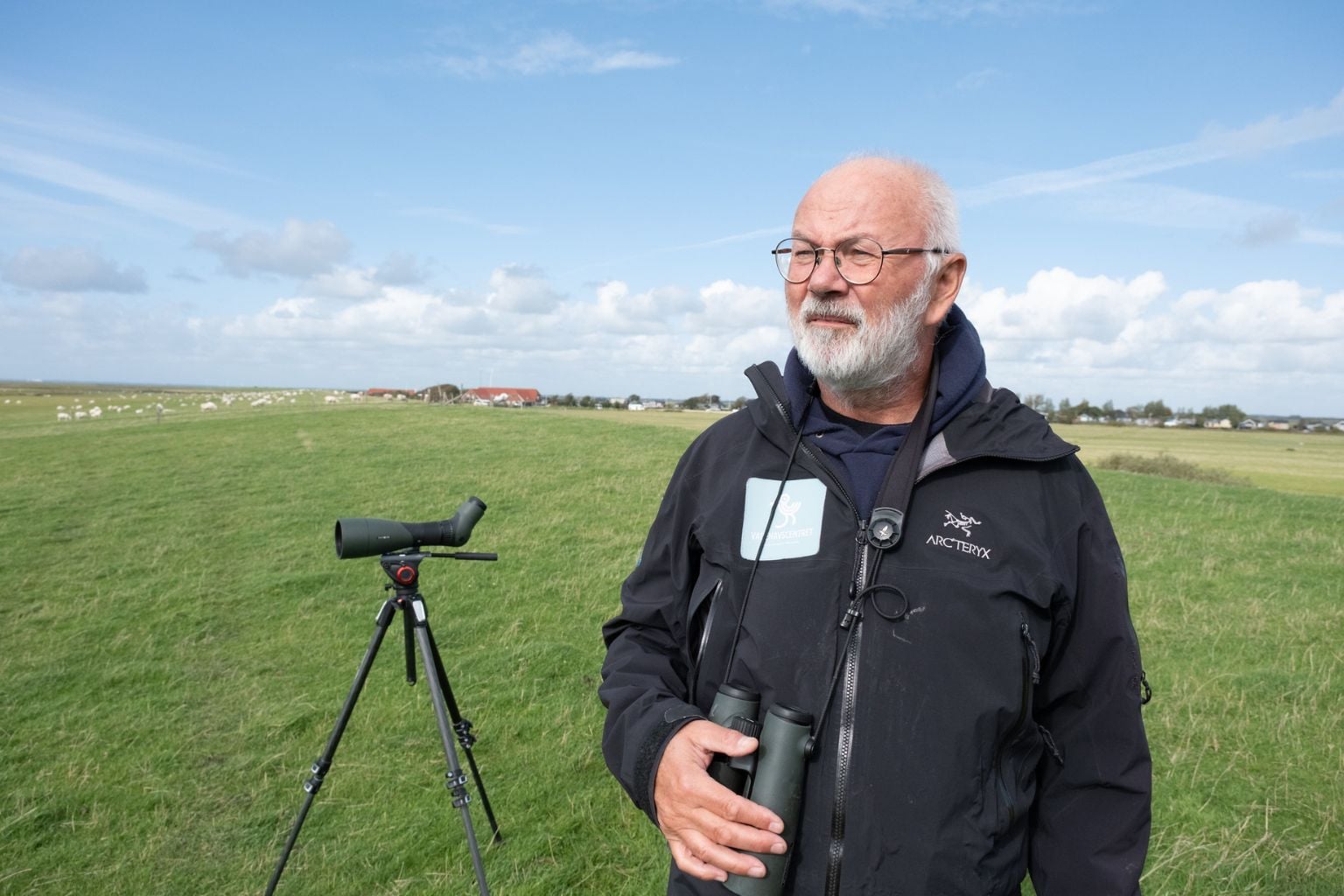
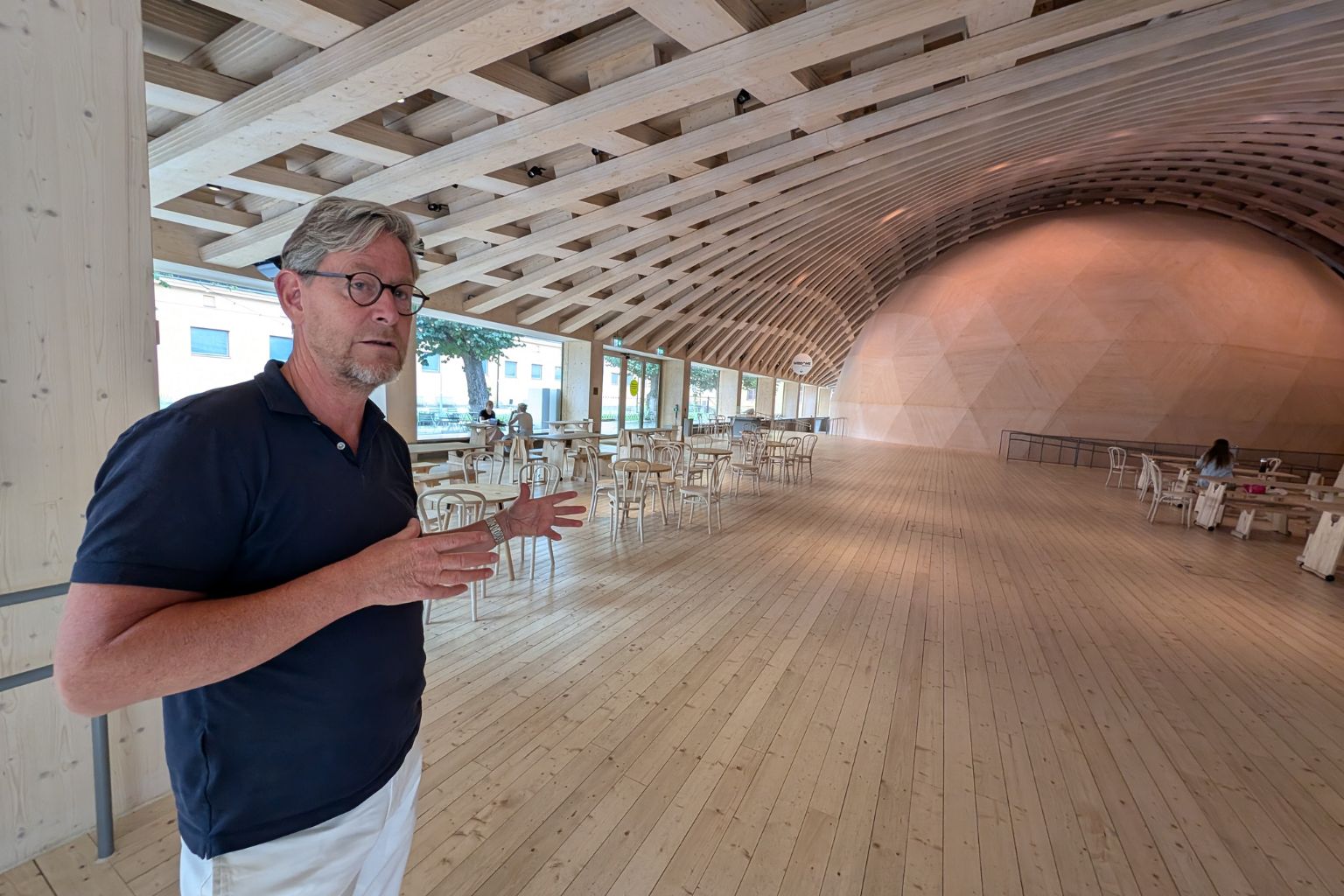
Klaus Melbye, director of the Wadden Sea Centre, surveys wildlife at a dike in Wadden Sea National Park.

Sustainable tourism: Can visitors save Denmark’s Wadden Sea?

Denmark’s Wadden Sea National Park is pioneering radical climate adaptation by considering strategic retreat instead of building taller dikes. The UNESCO World Heritage Site spans Denmark, Germany, and the Netherlands, hosting up to 15 million migratory birds annually on the East Atlantic Flyway. Sea levels could rise 1.5 feet over the next 50 years. The park encourages tourists to forage invasive Pacific oysters that displace native blue mussels, with free guided oyster tours running from October to March. The conservation strategy operates entirely through voluntary partnerships with local landowners.

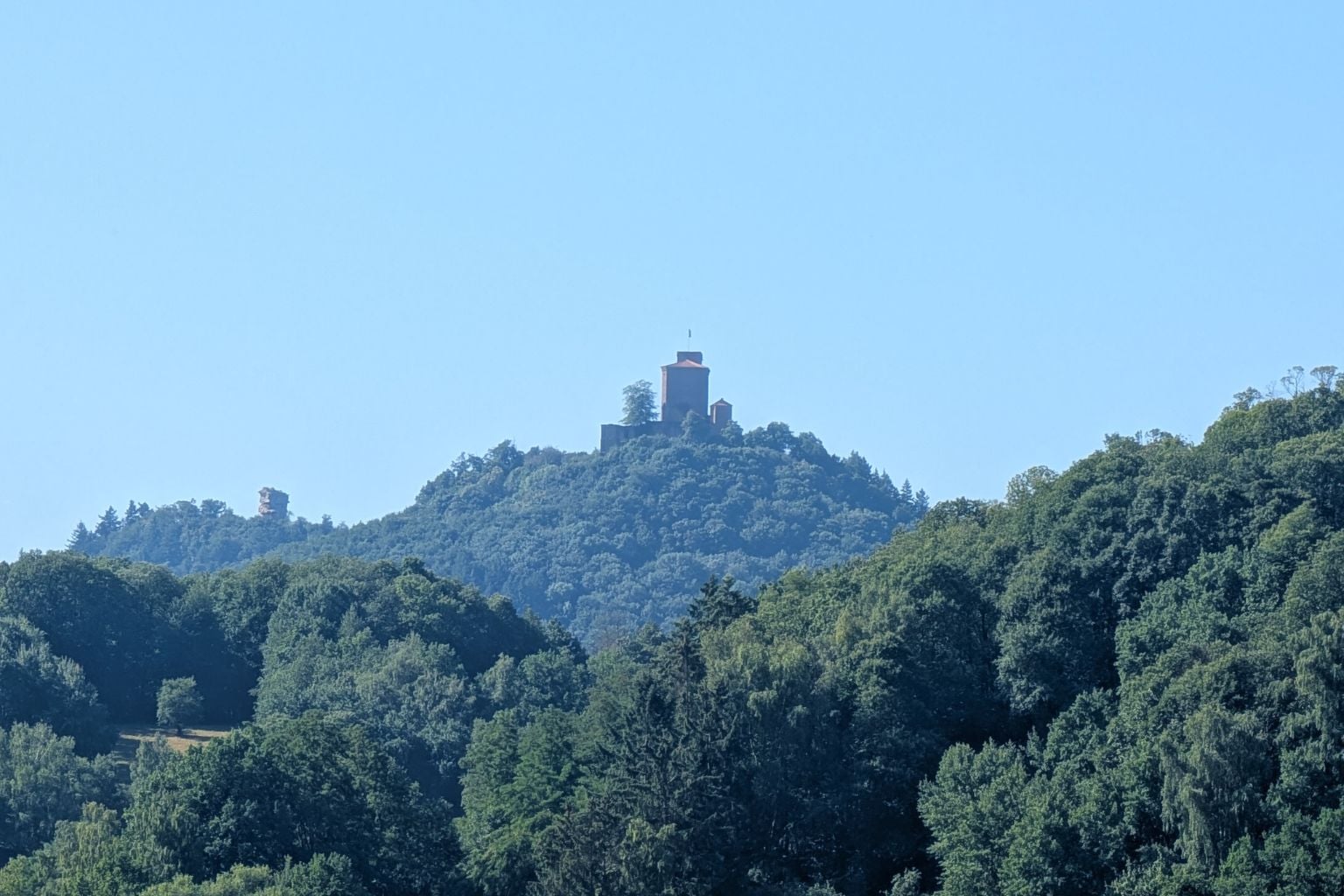
The Burgruine Trifels in Southwestern Germany's Palatinate region, which is undergoing a green transformation.

Germany has a 150-year-old rule about forests. It may be the sanest idea in travel right now.

Southwestern Germany’s Palatinate region demonstrates how sustainable tourism can work in practice. The area combines 130 medieval castles with Germany’s only cross-border UNESCO biosphere reserve. Local foresters developed the sustainability concept Nachhaltigkeit over 150 years ago, establishing one core principle: never extract more wood from a forest annually than it can naturally produce. This simple rule of consuming only what you produce now guides everything from fungus-resistant grapevine cultivation to circular economy oil mills that repurpose press cake waste into high-protein food ingredients.