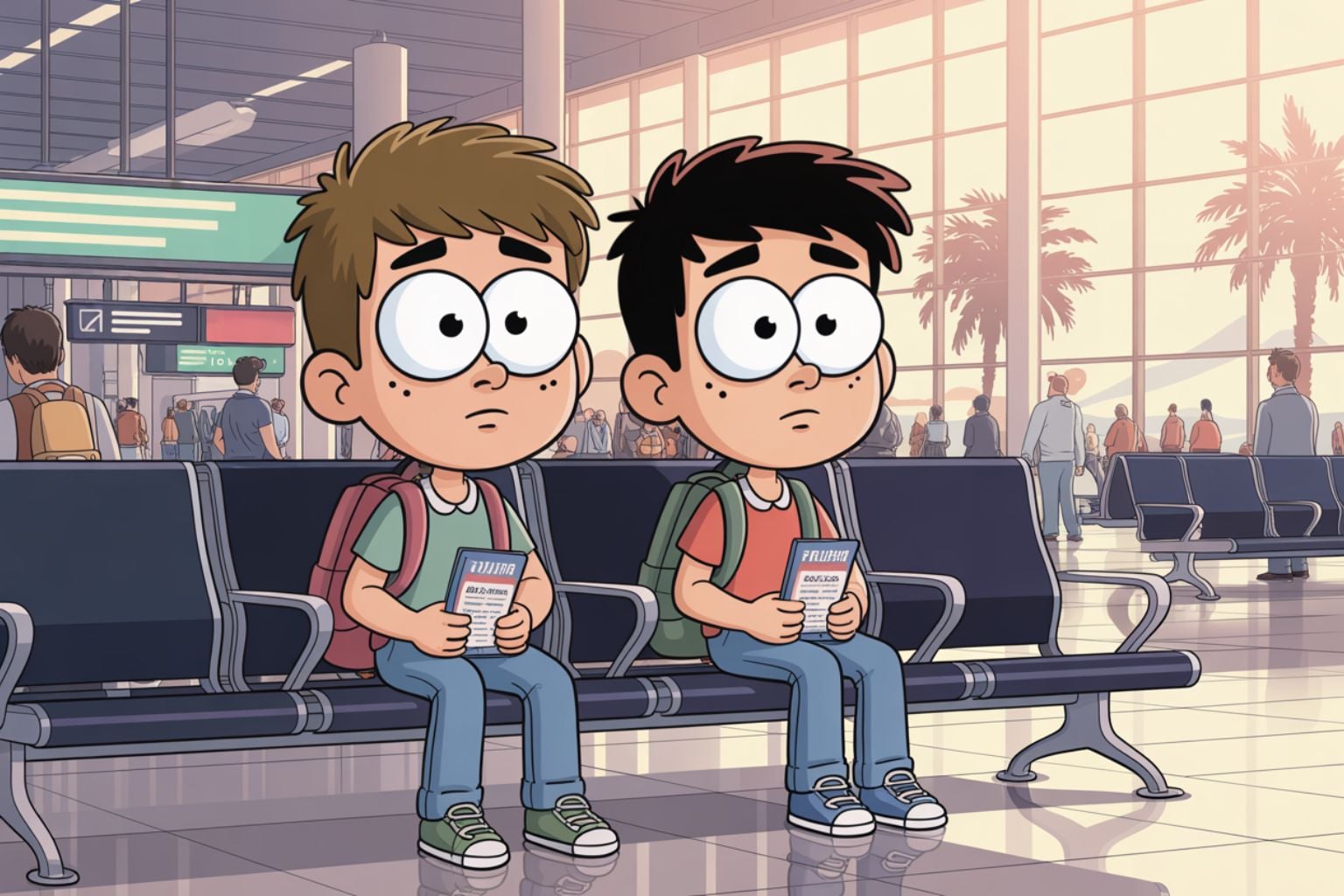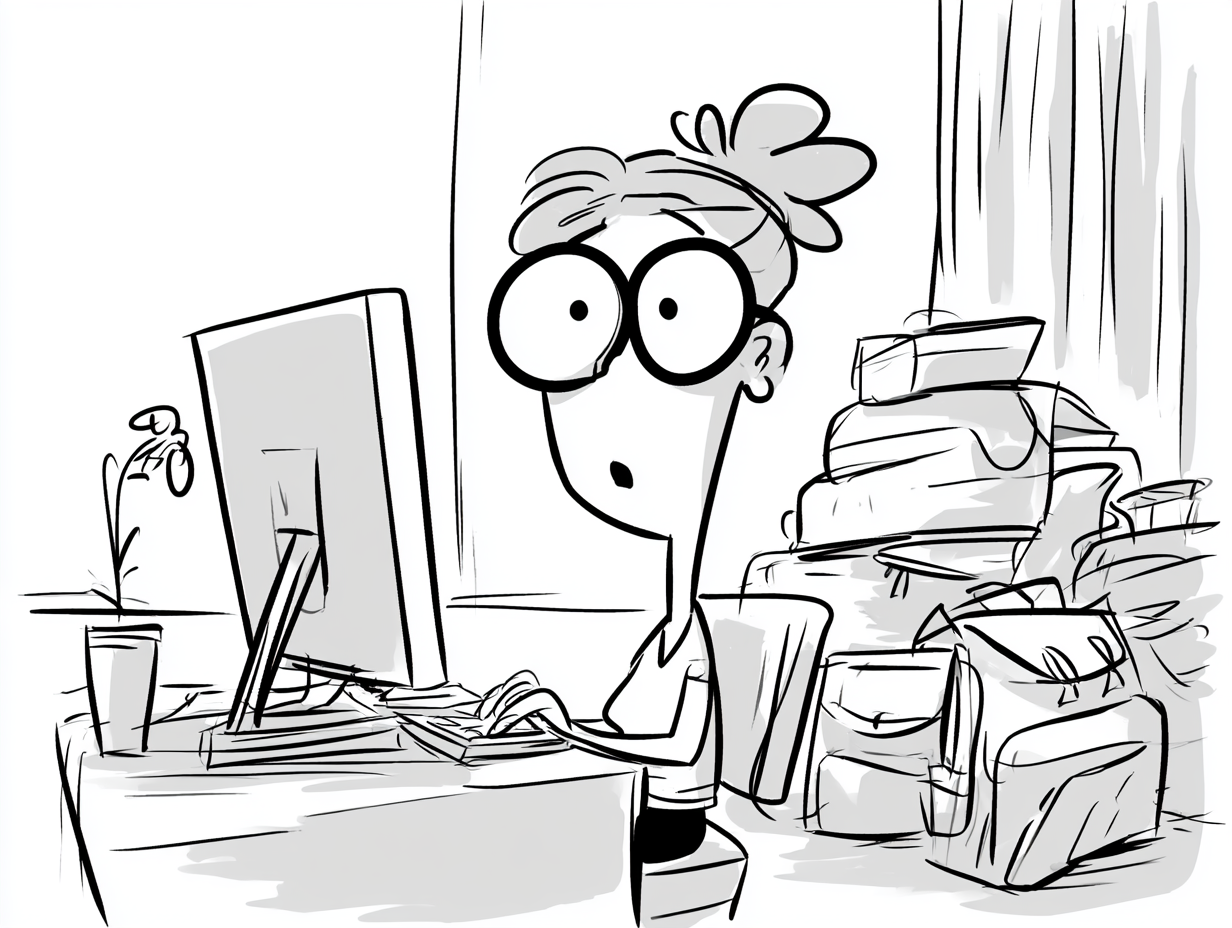
Cartoon of a wide-eyed woman staring at a computer screen while booking a trip, packed luggage stacked beside her.

Airlines want to hide the real price of your ticket. Should the government let them?

Remember what booking a flight used to be like? You would spot a $99 fare, click it, and then meet the carrier-imposed surcharge. Then the mandatory fuel surcharge. Then, somewhere near the end, the taxes. By checkout, your $99 flight cost $180. In 2011, the Department of Transportation put a stop to it with the full-fare rule, which says the price an airline shows you has to be the price you pay, taxes and fees included, and that the total has to be the most prominent number in the ad. The airlines went to court to kill the rule and lost, and travelers have shopped with confidence ever since. Now that standard is back on the table. The DOT has proposed letting airlines display each piece of a fare just as prominently as the total, and it is separately asking whether the rule should be repealed outright, which would allow advertised fares that leave out taxes and mandatory fees altogether. The department calls the current requirement unnecessarily prescriptive and raises legal questions about it. Consumer advocates answer that a price you cannot actually buy at is not a price.
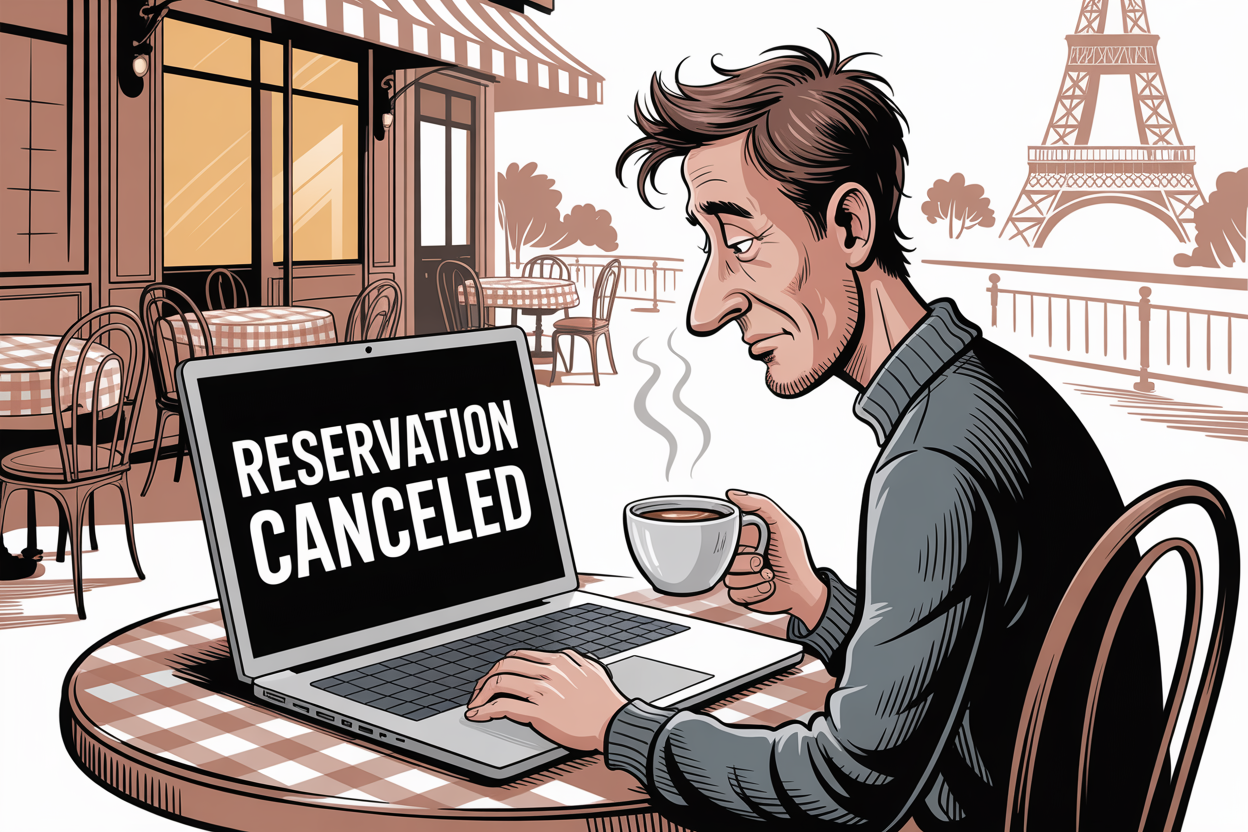
Cartoon of a dismayed man at a Paris cafe table, Eiffel Tower behind him, staring at a laptop screen that reads "RESERVATION CANCELED."

Travel companies say their customers are no-shows—but are they?

On a recent flight from San Francisco to Paris, Dan Skilken was a no-show. It was not his fault. A weather delay scrambled his first leg, the airline rebooked him, and then someone pushed the wrong button, so the system decided he had missed his connection. He only found out when he tried to check his return reservation from France and discovered he had no tickets at all. Because that is how it works: miss one leg of a flight, and the airline quietly cancels the rest. Skilken knew the industry well enough to sort it out, but plenty of travelers do not, and lately there are more of them. Teresa McGee flew from Detroit to Charlotte on American Airlines without a hitch, then tried to fly home and was told she had no ticket. She had a boarding pass proving she had flown the outbound. The airline could not tell her why, only that it had labeled her a no-show and that a new ticket would cost her. Cases like these keep landing in my inbox, and they raise an uncomfortable question. When a company marks a paying customer a no-show and keeps the money, is that a clerical slip, or has the no-show become a quiet little revenue stream?

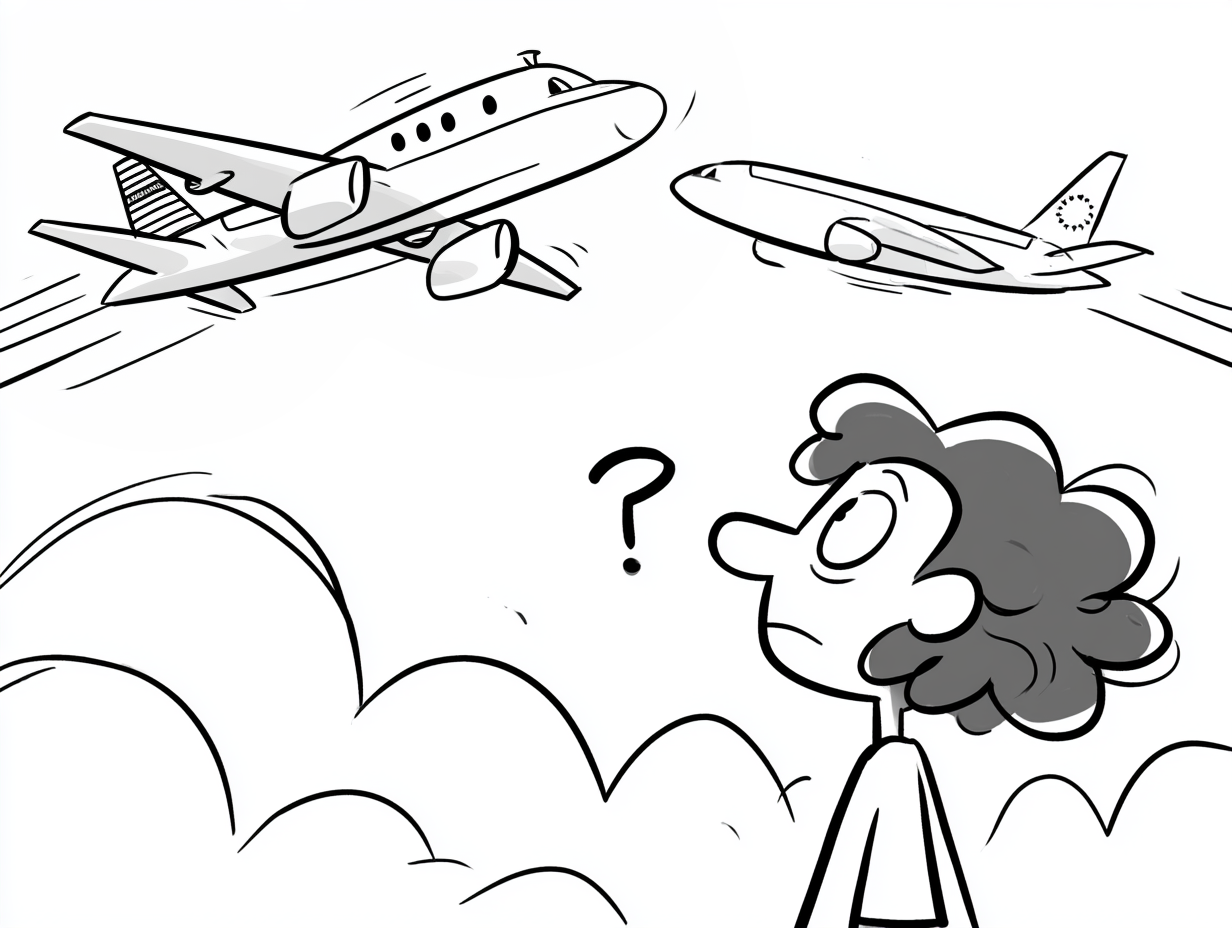
Black and white cartoon of a puzzled traveler with a question mark overhead watching two airplanes fly away in opposite directions.

America and Europe just went opposite ways on airline fees. Who’s right?

How much of an airline ticket’s price do you deserve to see when you shop for a flight? The United States and Europe just answered that question within days of each other, and came to opposite conclusions. In America, a rule that would have required airlines and booking sites to show you the cost of a checked bag or a ticket change the first time a fare appeared never survived. A federal appeals court blocked it before any airline had to comply, then threw it out entirely, faulting the government for skipping a step rather than finding fee transparency unlawful. Instead of redoing the rule, regulators made the defeat official and restored the older standard: airlines note that fees may apply and point you toward the fine print. Europe went the other way, approving its first overhaul of air passenger rights in more than two decades, with fares that must include the cost of a standard carry-on from the outset. Airlines argue that unbundling lets travelers who skip the extras pay less, and that every mandatory fee is disclosed before you buy. Consumer advocates counter that a fare hiding the bag charge is not really a price at all.

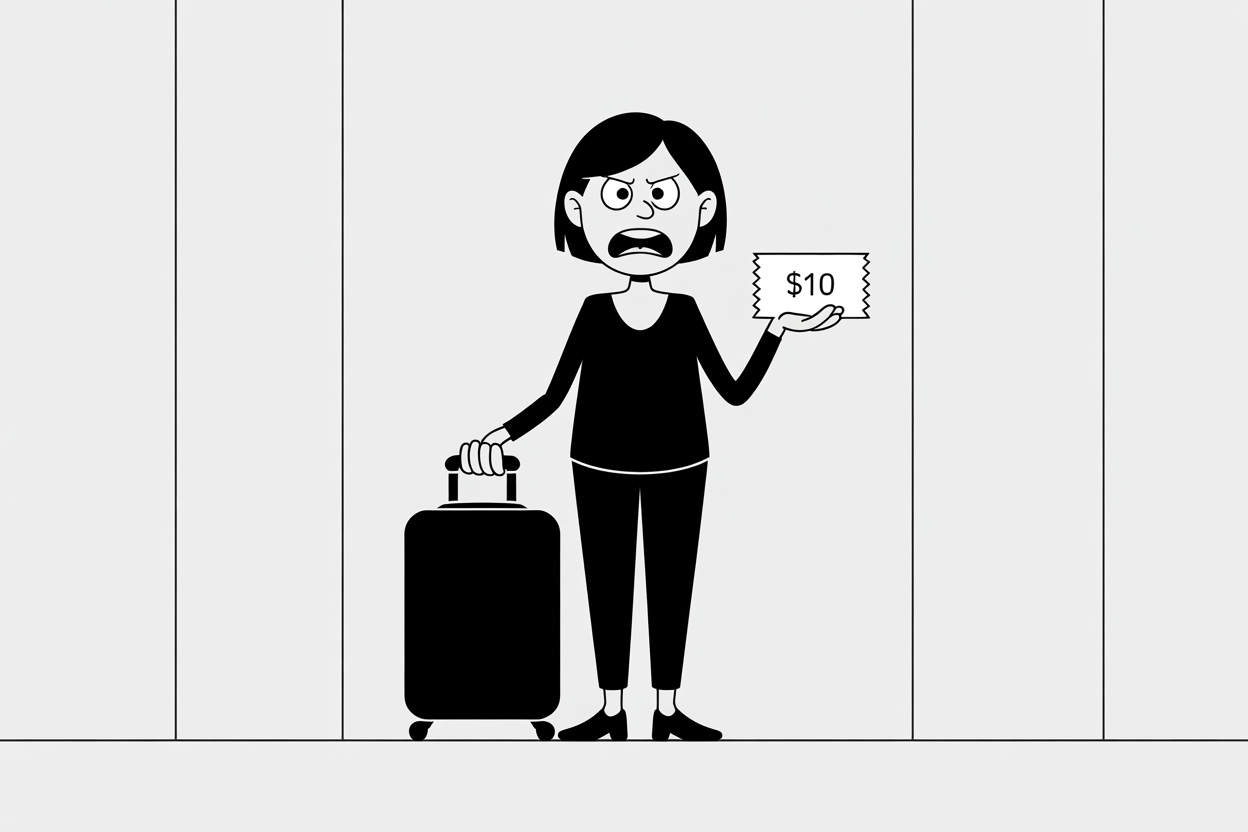
An angry airline passenger stands with a suitcase while holding a $10 voucher after a flight delay.

The delay tax: Why your airline voucher barely covers your expenses anymore 

When a flight is delayed or canceled, airlines cover only what they call duty of care: a meal voucher, sometimes a hotel, or a refund if the flight is canceled. Angela Justice received a $10 voucher after her Boston to Chicago flight was canceled. The real cost, the delay tax, is far larger. It includes nonrefundable hotels travelers cannot reach, lost wages, child care that keeps ticking, and the replacement flights passengers must book themselves when the airline’s rescheduling timeline proves useless. Airlines calculate compensation based on what it costs them to reschedule a flight, not what it costs the traveler to miss the reason they flew in the first place. The official story is that duty of care solves the problem and the Department of Transportation signs off. But the law was written in a different era, when travel was simpler and airlines were more generous, and regulators have not caught up now that delays are chronic and carriers watch every penny.