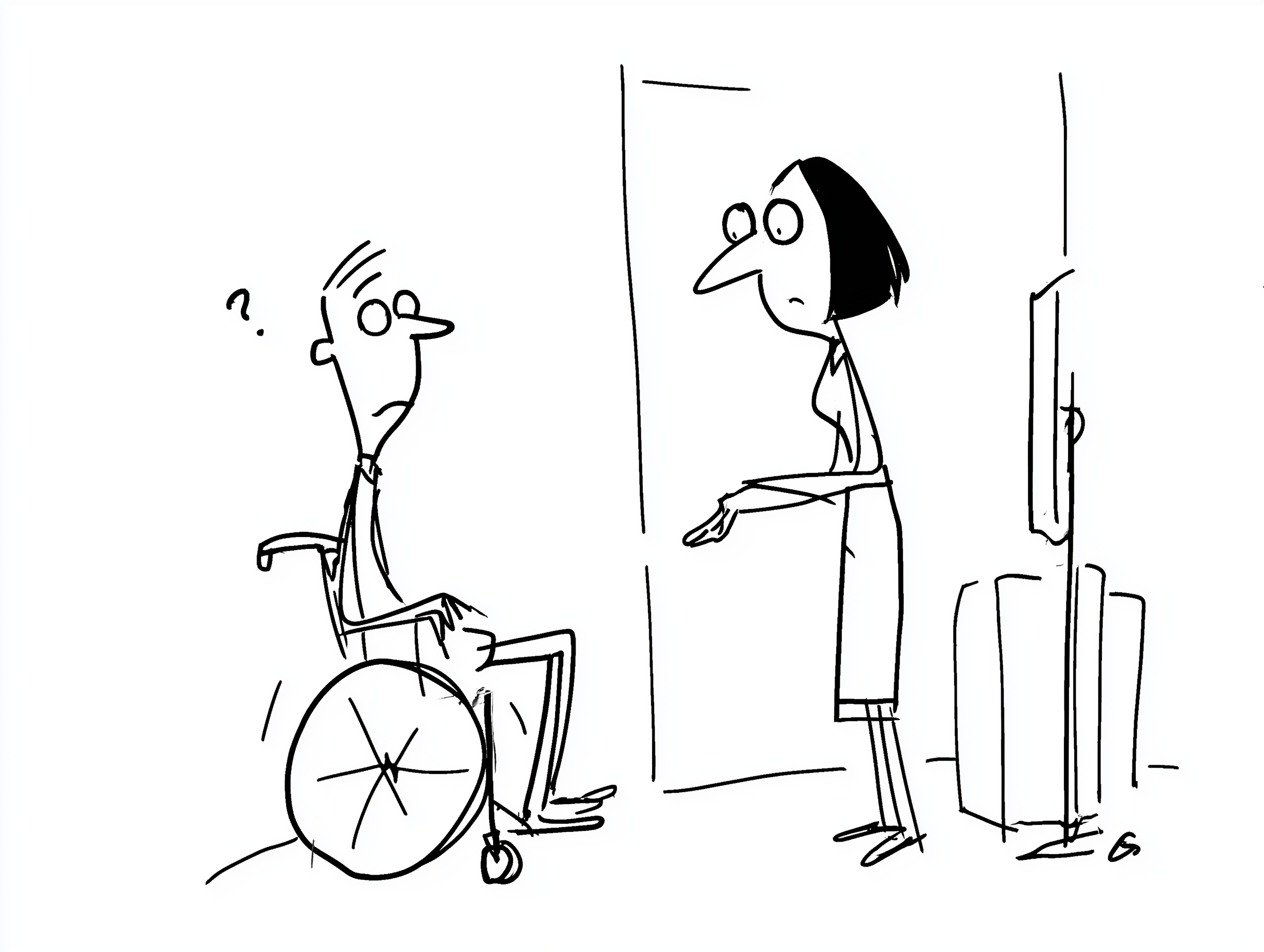
Black and white line cartoon of a puzzled man in a wheelchair on one side of a barrier looking toward a standing woman with a rolling suitcase on the other, suggesting a divide over who boards or pays. Ryanair family seating

Where’s the red line on airline fees?

If you are flying with kids, here is a little good news: you will not have to pay extra to sit together, even on Ryanair, the notoriously fee-crazy Irish carrier. Europe’s largest discount airline adjusted its family-seating policy this week after a UK regulator forced its hand, having spent years charging parents a fee just to sit beside their own children. But it did so “reluctantly,” and that one word says everything about how the industry sees fees in 2026. A fee is not a problem to be fixed. It is territory to be defended. Which raises a bigger question, one that goes well past family seating to the water on a long flight, the bag already in your hand, and the seat you already bought a ticket to sit in. What kinds of fees should be off limits, and is there a line an airline should never cross?

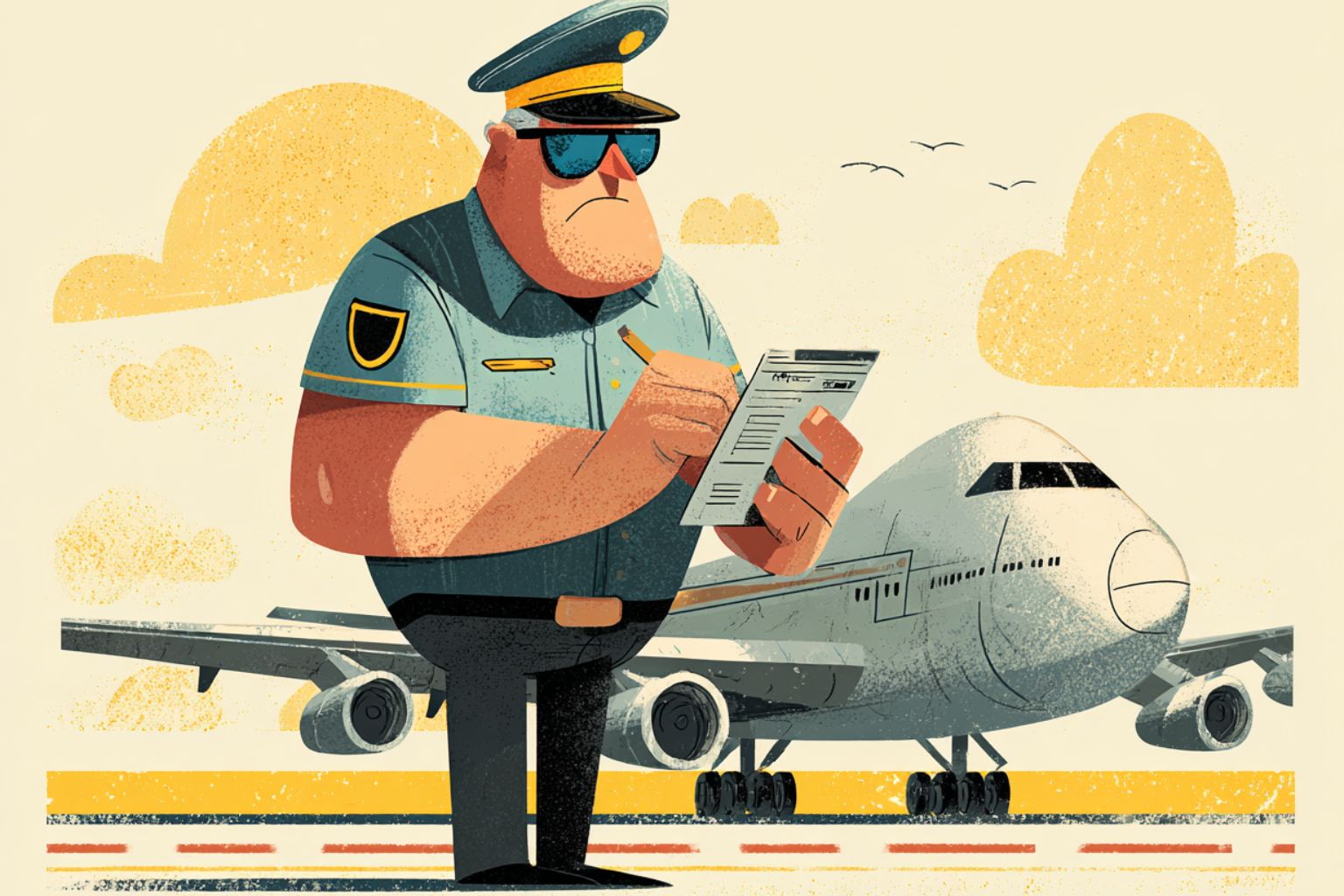
Black and white cartoon of a frazzled airline passenger facing a smiling gate agent at a counter, who holds up a document labeled "OUR RULES," illustrating the gap between what travelers want and what the DOT's disclosure rule actually delivers.

Congress asked for passenger rights. It got a PDF

Airline passengers are tired of standing at the gate while agents hand out excuses. The Department of Transportation has a fix. Soon, airlines will hand out a piece of paper instead. The DOT just finalized a rule requiring airlines to publish a one-page summary of passengers’ rights. Congress ordered it eight years ago. The rule does not set any compensation amounts. It does not require meals, hotels, or rebooking when there is a delay. Each airline only has to briefly summarize its own existing policies, in whatever format it likes. The rule also skipped the public comment period, and in a detail that is hard to make up, the summaries are not even due yet, because carriers cannot submit anything until a separate government approval process is complete. When the regulated industry shrugs at a new regulation, that means something, and this rule drew no objection at all.

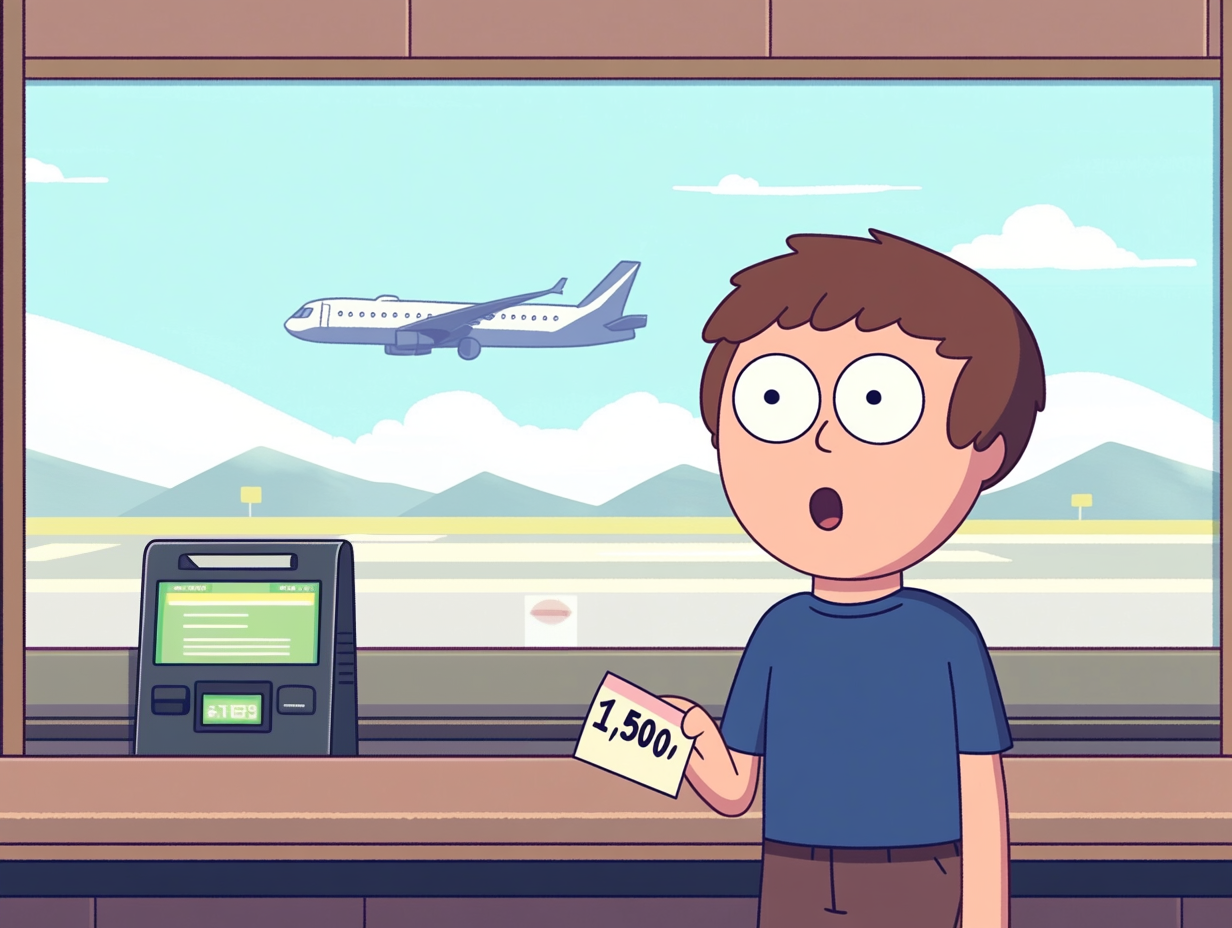
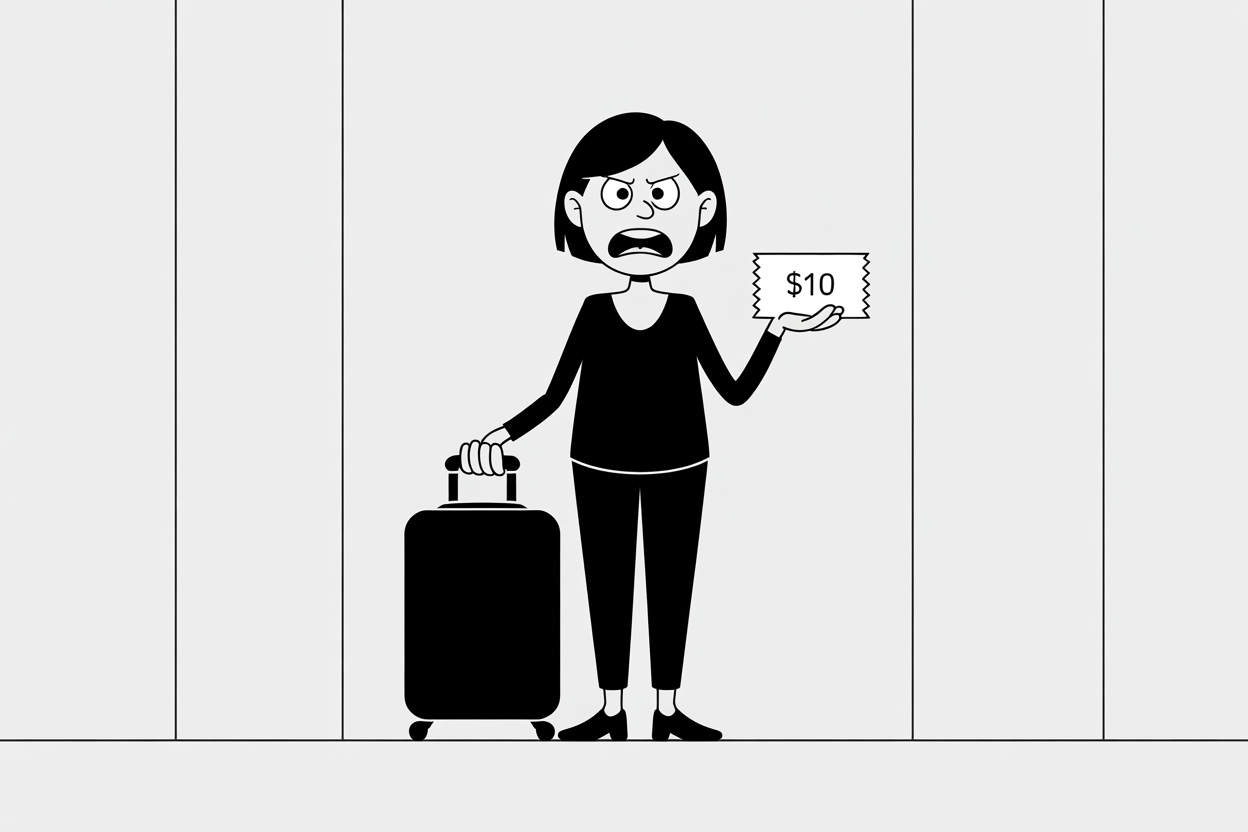
An angry airline passenger stands with a suitcase while holding a $10 voucher after a flight delay.

The delay tax: Why your airline voucher barely covers your expenses anymore 

When a flight is delayed or canceled, airlines cover only what they call duty of care: a meal voucher, sometimes a hotel, or a refund if the flight is canceled. Angela Justice received a $10 voucher after her Boston to Chicago flight was canceled. The real cost, the delay tax, is far larger. It includes nonrefundable hotels travelers cannot reach, lost wages, child care that keeps ticking, and the replacement flights passengers must book themselves when the airline’s rescheduling timeline proves useless. Airlines calculate compensation based on what it costs them to reschedule a flight, not what it costs the traveler to miss the reason they flew in the first place. The official story is that duty of care solves the problem and the Department of Transportation signs off. But the law was written in a different era, when travel was simpler and airlines were more generous, and regulators have not caught up now that delays are chronic and carriers watch every penny.

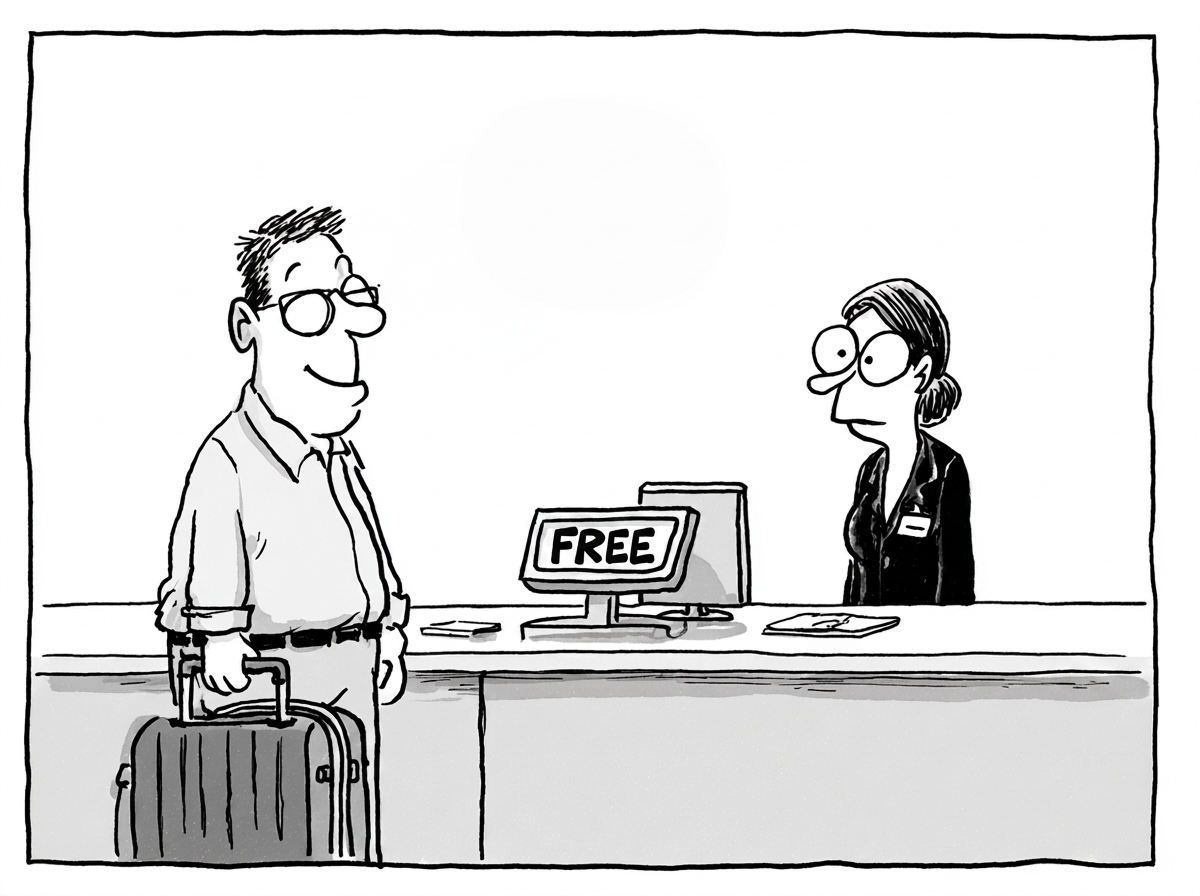
Editorial cartoon showing a smiling passenger with glasses holding a rolling suitcase at an airline check-in counter, where the agent's computer screen displays the word "FREE," illustrating the proposal to make checked bags free as a condition of any Spirit Airlines government bailout

If Spirit Airlines gets a government bailout, bags should fly free

Spirit Airlines has reportedly asked the Trump Administration for $360 million in emergency funding as jet fuel prices doubled following the Iran conflict. After 9/11, Congress provided $5 billion in grants and $10 billion in loan guarantees to airlines. The COVID-19 Payroll Support Program delivered over $50 billion with conditions including killed change fees, capped executive pay, and restricted buybacks. Any new bailout should require Spirit to include one free checked bag in every fare for a minimum of five years, making taxpayer support deliver tangible passenger benefits.