Deborah Keck books an upgrade to a suite on a Princess cruise and receives a confirmation showing she “paid in full.” But then the cruise line adds nearly $4,000 to her bill and threatens to cancel her trip if she doesn’t pay. Can a company change the price after you’ve already settled the tab?
Question
I booked a cruise on the Star Princess about 18 months in advance. A few months later, I called to upgrade to a suite. A Princess representative quoted me a $1,449 price, and I paid the additional amount that day. My confirmation sheet showed my cabin and stated “paid in full” with a zero balance. It also noted I was entitled to suite benefits like accessing the Sanctuary and specialty dining.
The trouble started when I tried to make dining reservations. The website tried to charge me for things that should have been included. I called for help and ended up making more than 20 calls to various departments. During one of these calls, an employee told me I hadn’t been charged enough for the upgrade and wouldn’t get the benefits unless I paid more.
Our first cruise was an Alaskan sailing in 2024, a trip my husband had been trying to convince me to take for 27 years. We spent more than $7,000 and were thrilled, until embarkation day.
One of our two suitcases arrived at our cabin. My husband’s did not. For more than 12 hours, guest services, housekeeping and security told us they could not locate it. At 11 p.m. we were given a $50 voucher for basic toiletries, while my husband washed his socks, shirt and underwear in the sink.
At 5 a.m. I learned security had possessed his suitcase all along. It had been confiscated because it contained a small clothes steamer. What upset us far more than the confiscation was that nobody told us. The failure to simply say they had the suitcase turned a manageable issue into a miserable one.
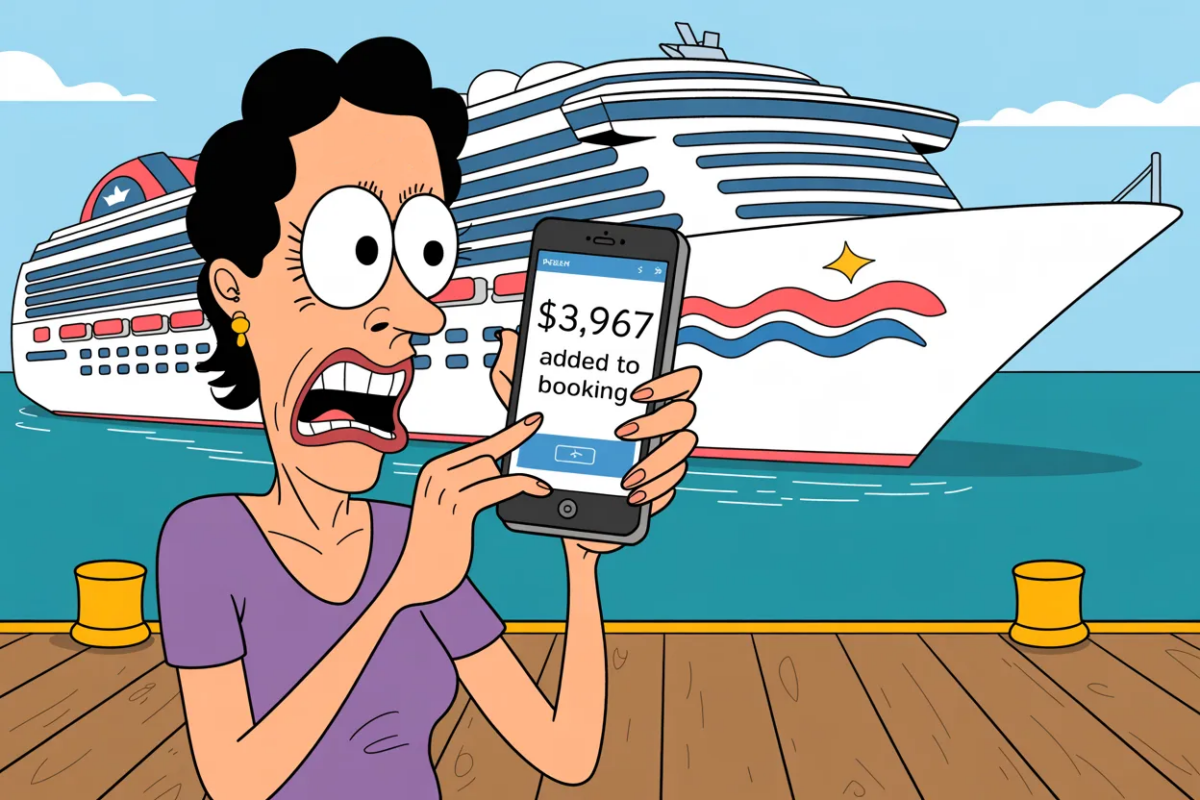
Later, I discovered Princess had added $3,967 to my booking without my permission. When I called to protest, the cruise line gave me an ultimatum: pay the extra money, move back to my original mini-suite with a refund of the upgrade fee, or they would cancel my cruise entirely. I even offered to give up the suite benefits just to keep the cabin I had paid for, but they refused.
I feel like I was bullied and threatened into releasing my suite. I’ve reached out to customer relations and corporate management multiple times but have received no response. I am a Platinum cruiser and have never been treated this way on 70 cruises. I want the suite I paid for at the price I was quoted. —Deborah Keck, Sunnyvale, Texas
Answer
Princess should have honored the price it quoted you and confirmed in writing. When a company sends a document stating a booking is “paid in full,” that’s a contract. It shouldn’t decide later that it made a math error and demand you cough up another $3,967 to cover its mistake.
Most cruise contracts have clauses that allow them to change prices due to fuel surcharges or government taxes, but they don’t usually include a we-forgot-to-charge-you-enough-for-the-room fee. Under basic contract law, once there’s an offer, acceptance, and payment, the deal is done.
You did the right thing by keeping all the paperwork. You also attempted to resolve this through the proper channels, contacting customer relations and even executives at Princess headquarters, which I publish on my consumer advocacy site, Elliott.org.
I’m deeply concerned about the lack of response from the cruise line. You contacted Princess multiple times for help, but you say no one responded. My team followed up several times about your case. I also contacted Princess on your behalf. The response: nothing.
It’s a disappointing result. Despite multiple inquiries, Princess refused to provide a resolution or even a comment on why it added $3,967 to a confirmed booking.
This left you with one last option: You could have taken your case to small claims court. I should note that you’re a Platinum-level customer, which means you’ve been on a lot of Princess cruises. You’d think the cruise line would be bending backward to take care of you. But apparently not.
You accepted a downgrade to your original cabin and didn’t pay anything extra for your cruise. Not exactly the resolution either of us were hoping for. Come on, Princess.

Have a question about this story? Tell us what happened — we read every comment.
Join the conversation