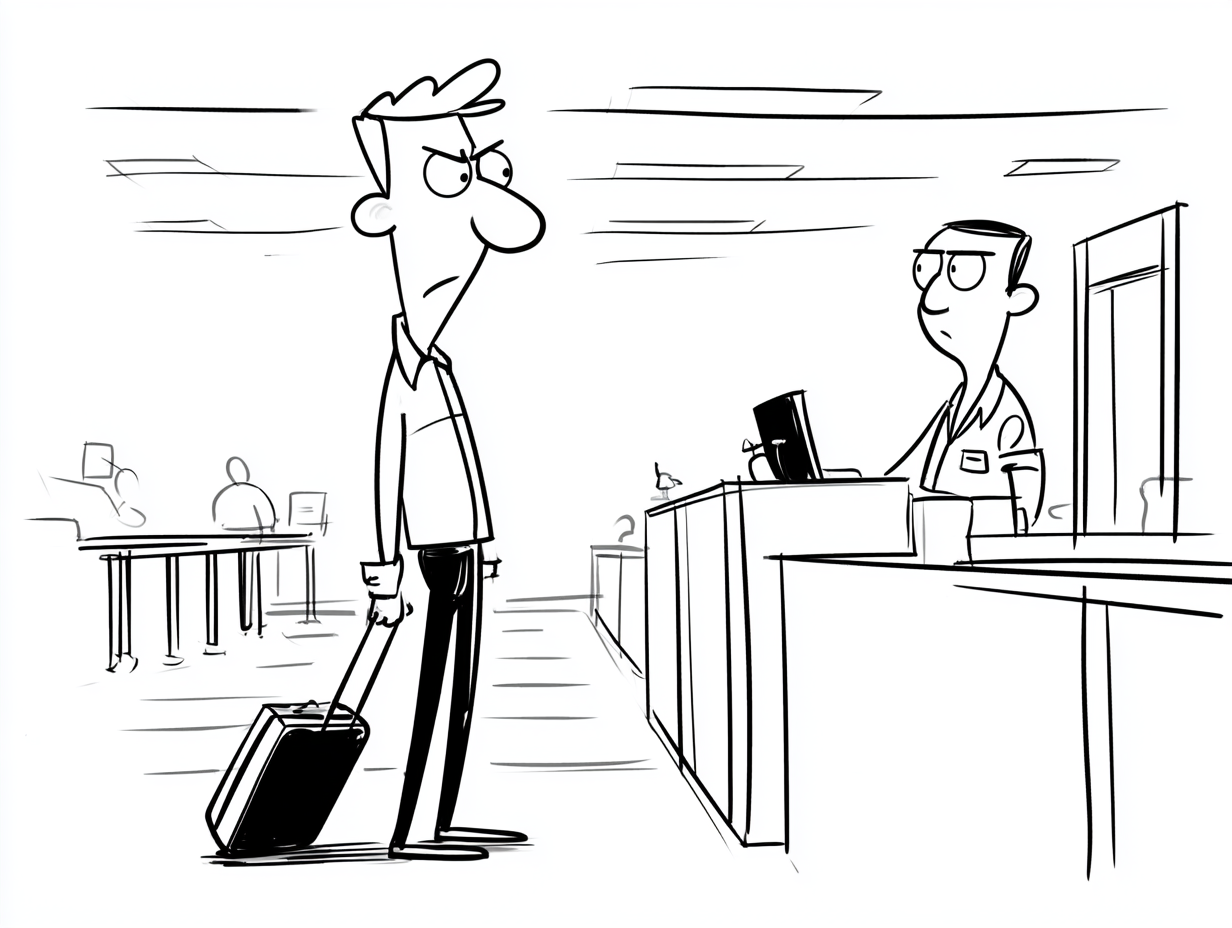
You’re mad at the wrong machine
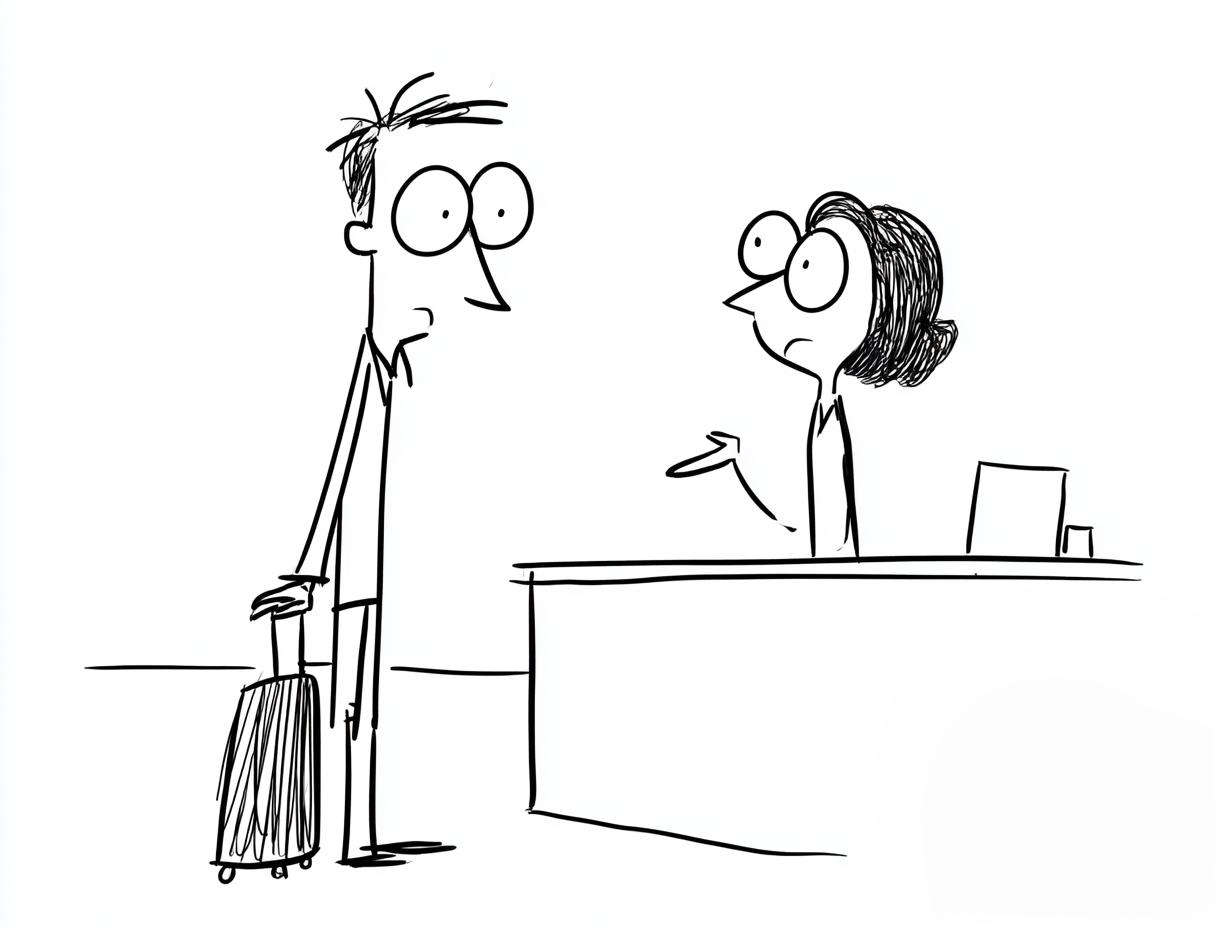
Does the TSA want to measure your luggage? You might think so after a viral aviation report warned that the agency’s newer 3D scanners have smaller entry tunnels than the old X-ray machines, and that an oversized carry-on might not fit, potentially sending you back to the counter to check it. Travelers connected the dots fast: the government as the airlines’ baggage enforcer, turning every overpacked bag into a checked-bag fee. It is a textbook case of decoy outrage, a fake scandal that soaks up all the anger a real one deserves. The tunnels are indeed smaller, and the TSA advises asking a screener for help. But there is no algorithm flagging a bag an inch too wide, and no documented wave of passengers being marched back to pay up. If your bag fits and passes screening, it flies. The scanner panic is a non-story. The question it accidentally raises, about a government that already helps airlines keep the true cost of flying out of the advertised price, is not.