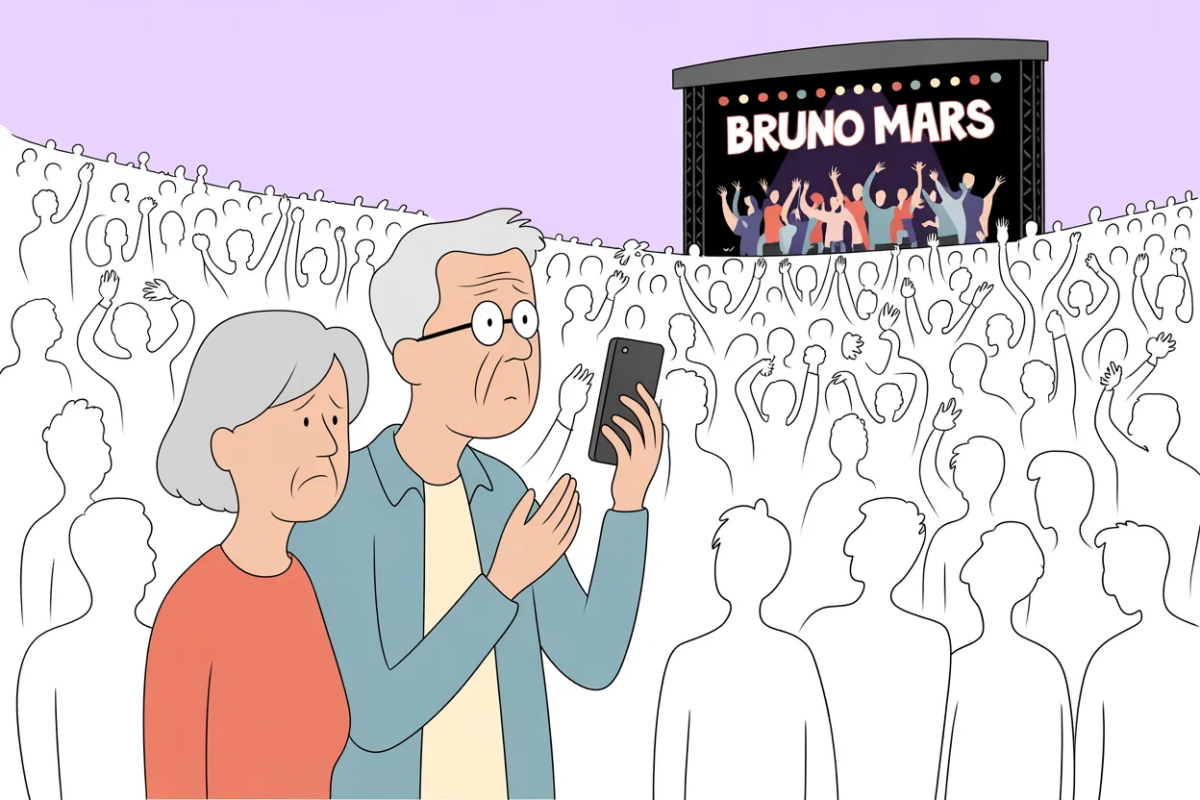
Brian O’Leary wants to see Bruno Mars in Chicago, but Ticketmaster claims there’s no accessible seating left—even though resellers have plenty of inventory. Can a consumer advocate help this 68-year-old fan get to the show?
Question
I’m 68 years old and live in Chicago. Like many people my age, I have specific medical accommodations that require ADA seating when I go to a concert. My wife and I were excited to see Bruno Mars when he comes to Soldier Field, but the ticket-buying process has been a nightmare.
Ticketmaster and Live Nation allow you to filter your search specifically for ADA seating. When I first checked the seating chart for the shows, it showed plenty of accessible seats available. However, every time I selected a seat, the system told me the inventory was not available. I tried repeatedly, but it was the same story every time.
The next day, I checked again. Suddenly, ADA seating was available—but only through a qualified reseller.
It seems fundamentally wrong that someone can procure a seat specifically designated for someone with a disability and then turn around and flip it for a profit. To buy these seats, Ticketmaster makes you click a disclaimer stating that you actually require the accommodations due to physical limitations. This is a nice gesture, but it clearly doesn’t stop resellers who never intended to use the seats.
This practice keeps people with disabilities from enjoying live music. It feels like the platforms are more concerned with the appearance of “compliance” than they are with actual customer service. Can you help me get some clarity from Ticketmaster on why these seats are ending up in the hands of scalpers instead of the fans who need them? — Brian O’Leary, Chicago
If the ticket buyer lives in Illinois, he also should have contacted Illinois Senator Tammy Duckworth, just to make her aware of the situation. Senator Duckworth would definitely qualify for ADA seating since she lost both legs due to her military service and almost always uses a wheelchair. She needs to be made aware of these issues and would definitely have a sympathetic ear.
Answer
Ticketmaster should have ensured that its inventory management system accurately reflected available seating. More importantly, it should have robust safeguards to prevent the predatory resale of ADA-accessible tickets.
Under the Americans with Disabilities Act, venues and ticketing aggregators must provide individuals with disabilities the same opportunity to purchase tickets as others. While the law allows for the resale of ADA seats, it also permits venues to investigate when they suspect fraud. If Ticketmaster knows a seat is being resold, it has the power to verify the necessity or restrict the transaction to ensure the seat serves its intended purpose.
Always take a screenshot when a site shows available inventory. If it suddenly vanishes, that’s your smoking gun when filing a complaint. You did the right thing by looking for a point of contact to escalate your concerns.
I always recommend following the paper trail method. Start with a polite email to customer service. If that fails, appeal to the executives. I publish the names and email addresses of the Ticketmaster leadership team on my advocacy site, Elliott.org.
When you reached out to me, I encouraged you to use those contacts. You went to work. You contacted Ticketmaster’s senior leadership, and your case eventually landed on the desk of a consumer support supervisor.
I’ve written about the frustrations of the Ticketmaster queue and the high cost of verified resales before. This case is a particularly ugly cousin to those issues because it adds a layer of accessibility barriers to the mix.
Ticketmaster told you it could not force its client, Live Nation, to procure new ADA seats once the primary inventory was gone. However, it did offer a rare concession. After you engaged with the executive team, it agreed to reimburse you for the extra costs you incurred by buying from a reseller.
It’s a bittersweet victory. Ticketmaster stepped up to make you whole, but it’s unclear if the company addressed the underlying flaw in its system. If you find yourself in a similar spot again, don’t just settle for the “sold out” message. Fight for your right to be in the room. And if the company won’t listen, you know where to find me.

Have a question about this story? Tell us what happened — we read every comment.
Join the conversation