Have travelers become their own worst enemy?
The coconut smoothie test is hardly a scientific way of determining if you’re a savvy traveler. But it’s highly effective.
On Travel is a weekly consumer travel column that offers information and advice for people planning a business or leisure trip. The feature started in USA Today in 2013 and is now nationally syndicated.
The coconut smoothie test is hardly a scientific way of determining if you’re a savvy traveler. But it’s highly effective.
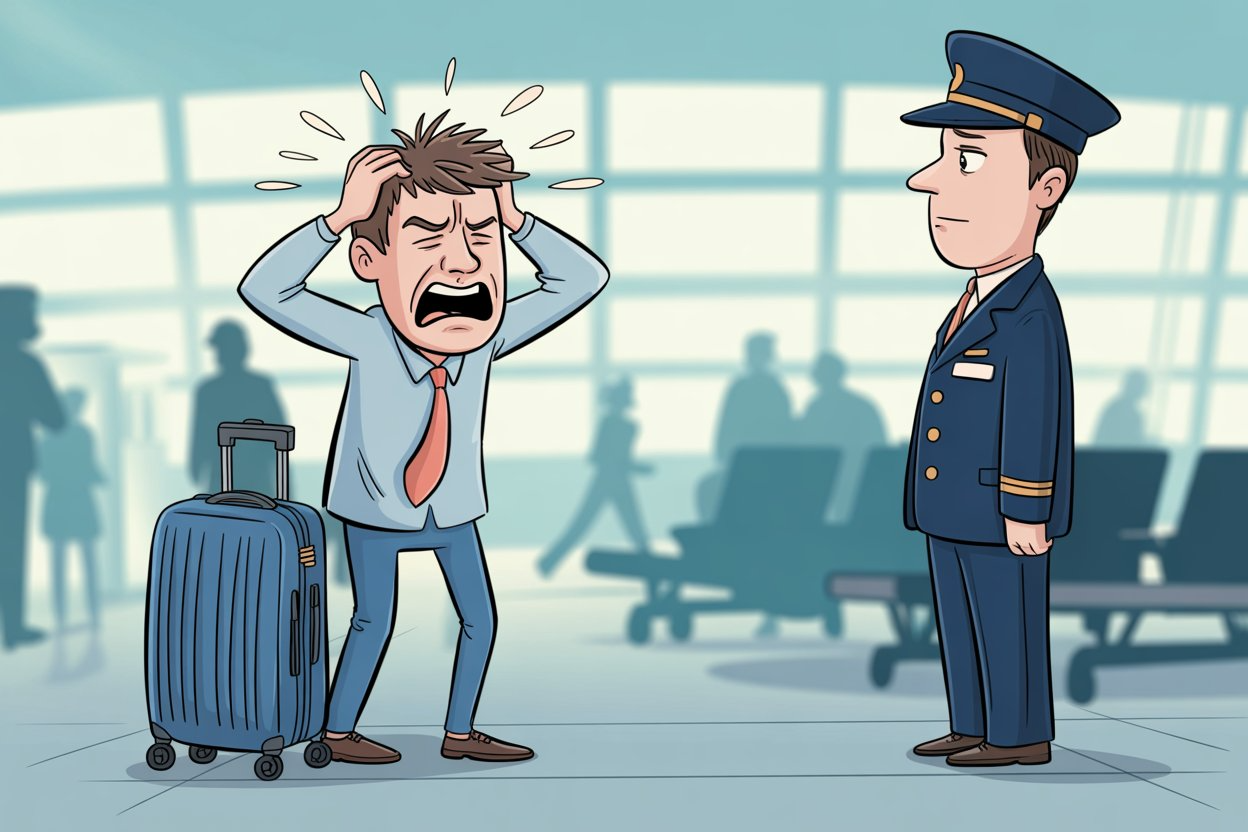
Robert Grunnah thought he’d scored a deal when he found a round-trip flight from Austin, Texas, to Denver for just $67. But as he sat on a delayed plane, watching an overworked agent juggle an overbooked flight, he wondered: Was his flight too cheap?
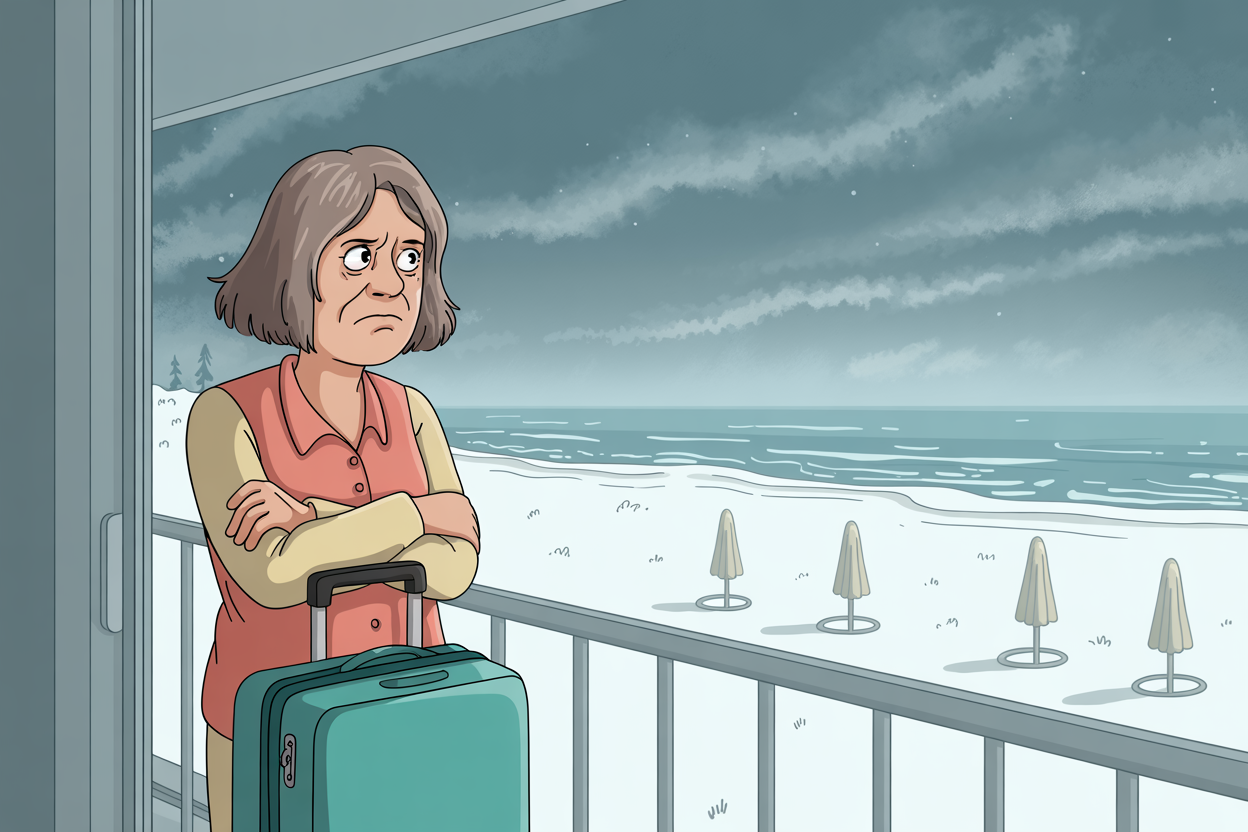
Remember when you could get a deal on travel by waiting until a few weeks after summer ended? That’s history.
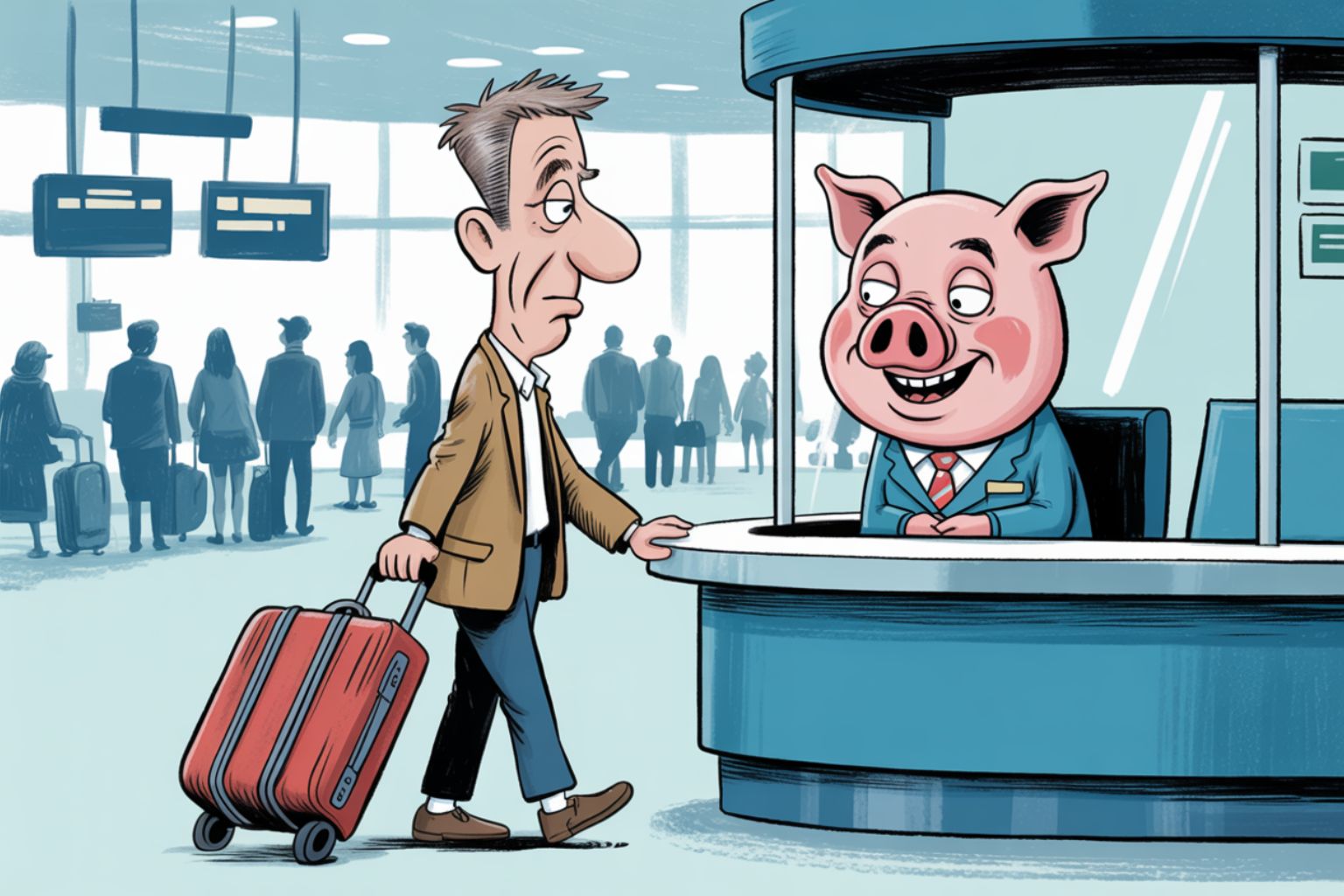
Does it cost too much to travel?
For people like Tim Plyant, the answer is yes. This summer, he plans to avoid travel entirely — it’s just too expensive.
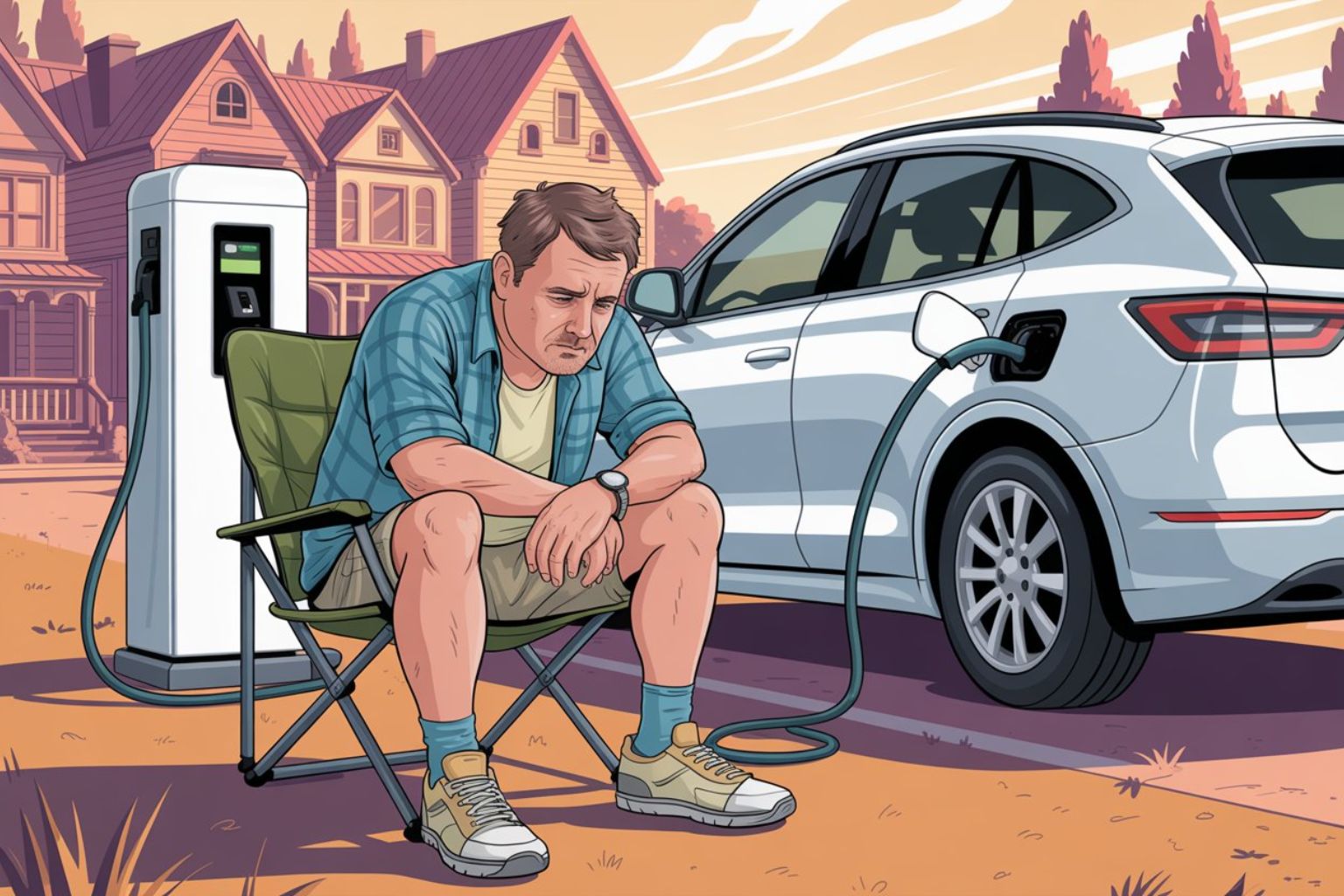
Nathan Heinrich wanted an adventure when he rented a Ford Mustang Mach-E SUV for a Northern California road trip. Instead, he got a misadventure.
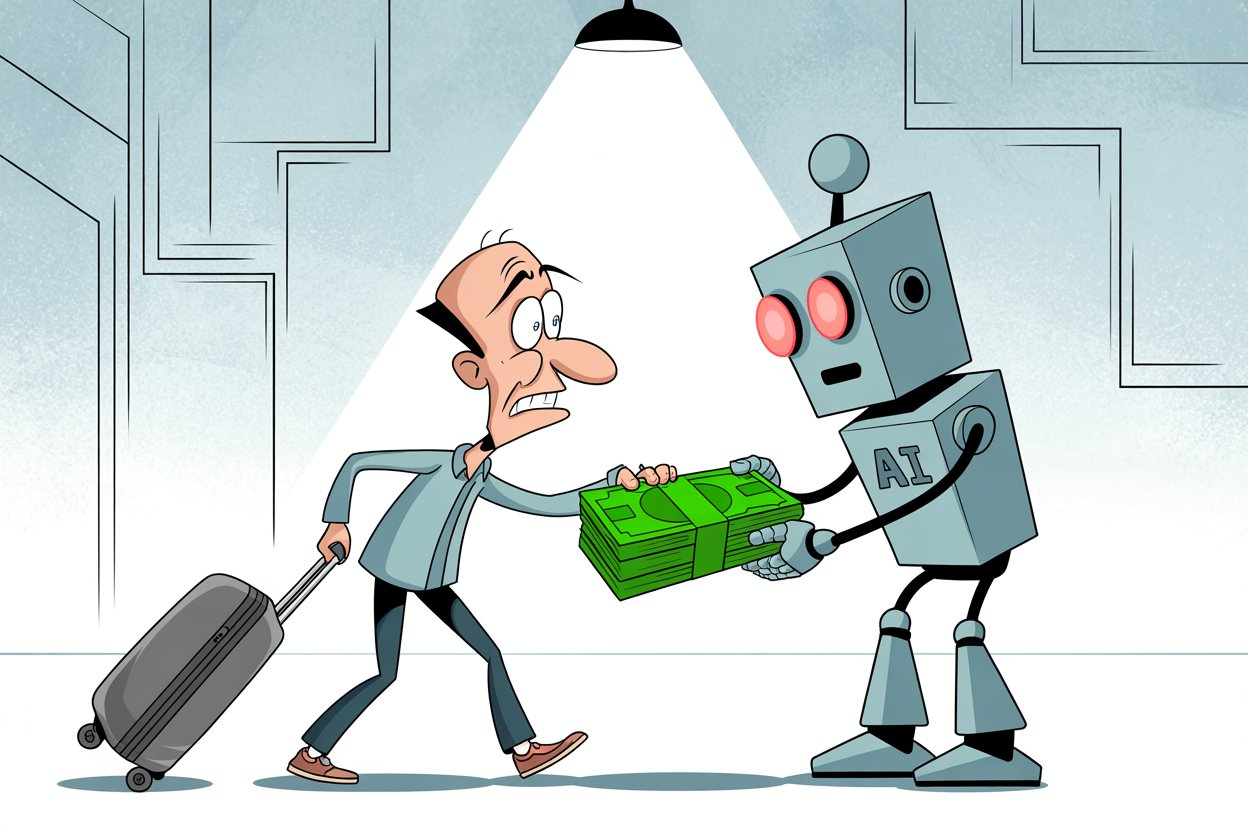
Aren’t you being a little paranoid, thinking that your airline or hotel is spying on you? Are you overdoing it by switching to “private” mode on your browser when you buy airline tickets, to avoid paying a higher price?
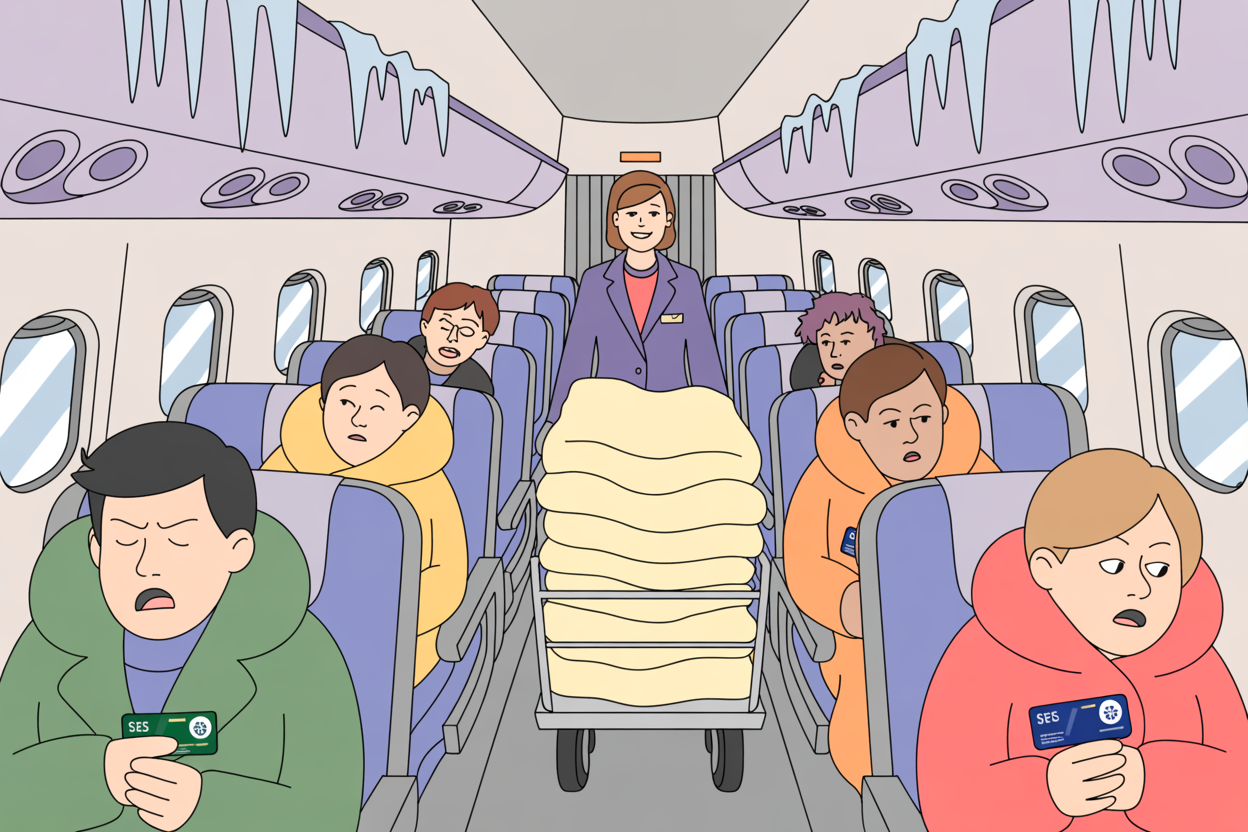
If you’ve ever felt frozen on a plane, or caught a whiff of vanilla in a hotel lobby, or couldn’t quite make a Wi-Fi connection in your room, congratulations: You may be a victim of the travel industry’s latest manipulation tactics.
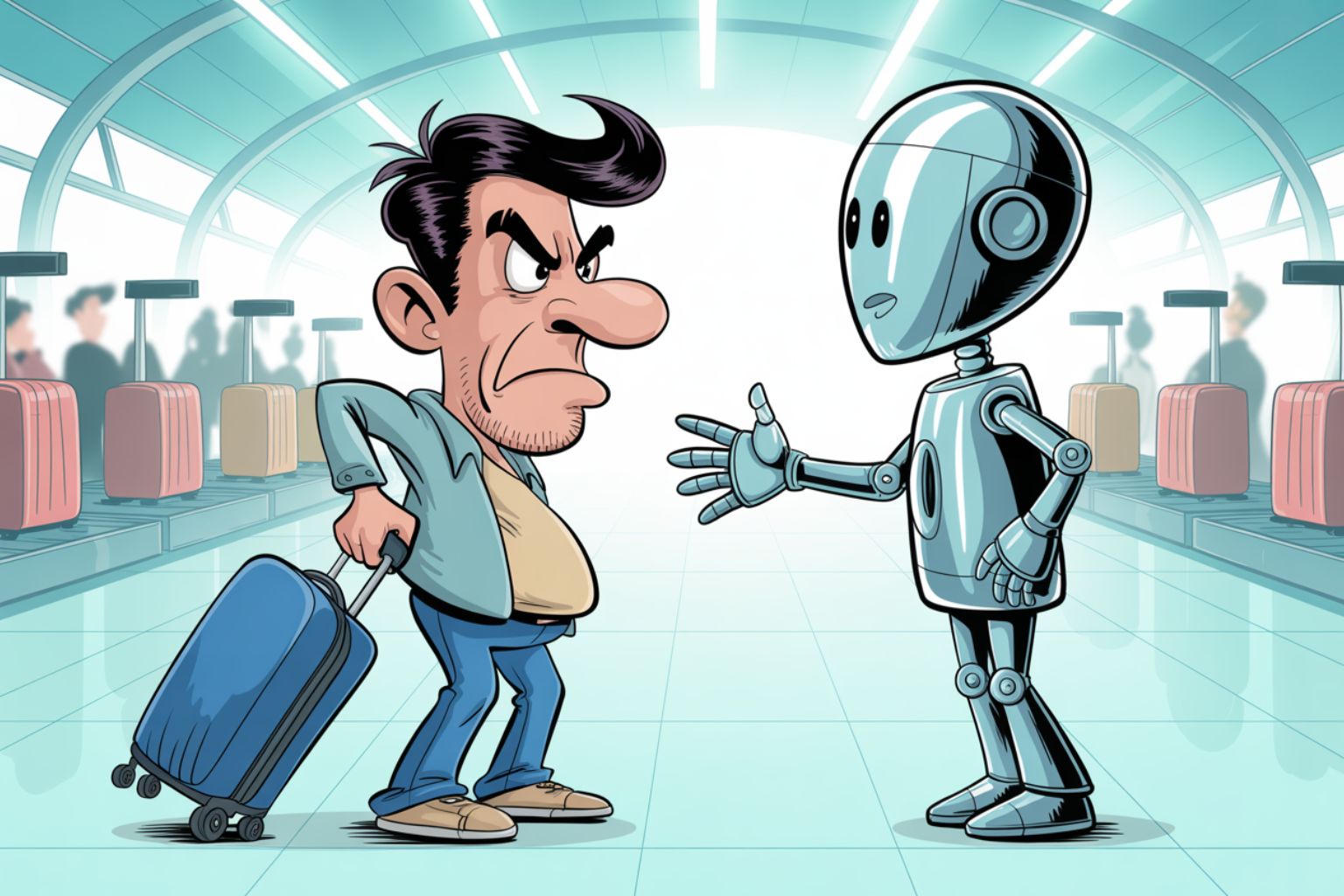
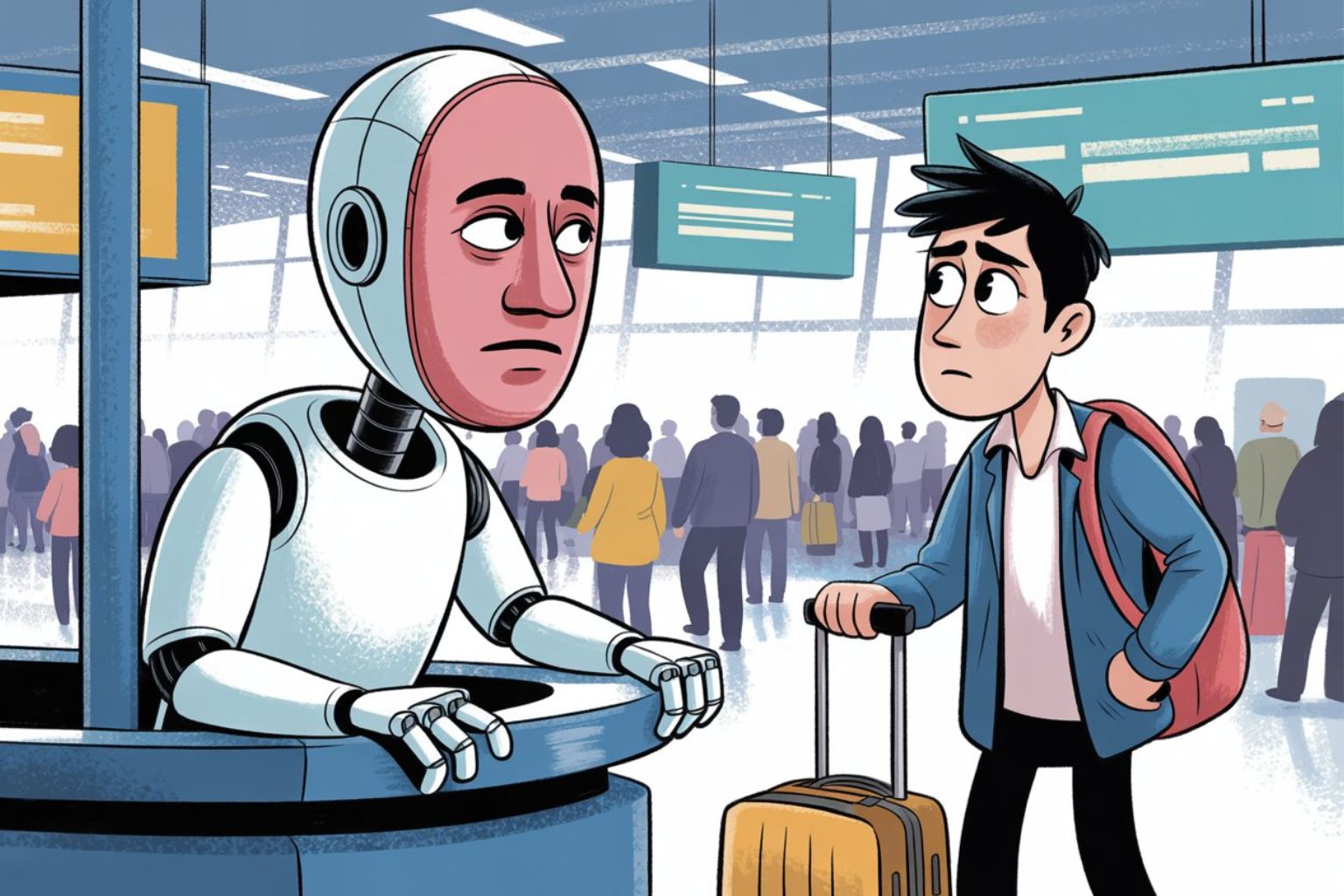
The problem with artificial intelligence is simple: When travelers need it the most, it is the least helpful.

Of all the annoying things couples do when they travel, the coerced seat swap may be the worst.
Kirstyn Allen saw it on a recent flight from Atlanta to the Caribbean island of St. Maarten. Two newlyweds boarded the plane after her and pressured another passenger to surrender her assigned seat so they could be together.