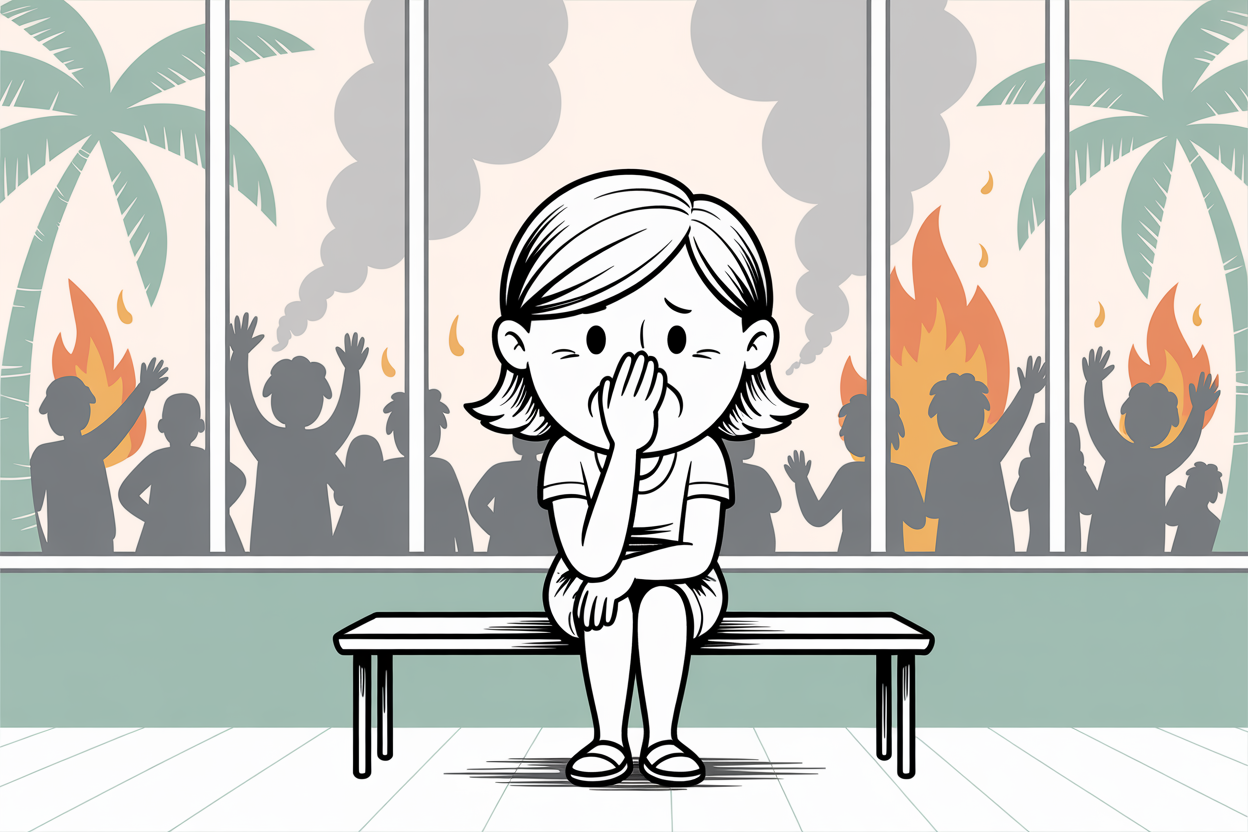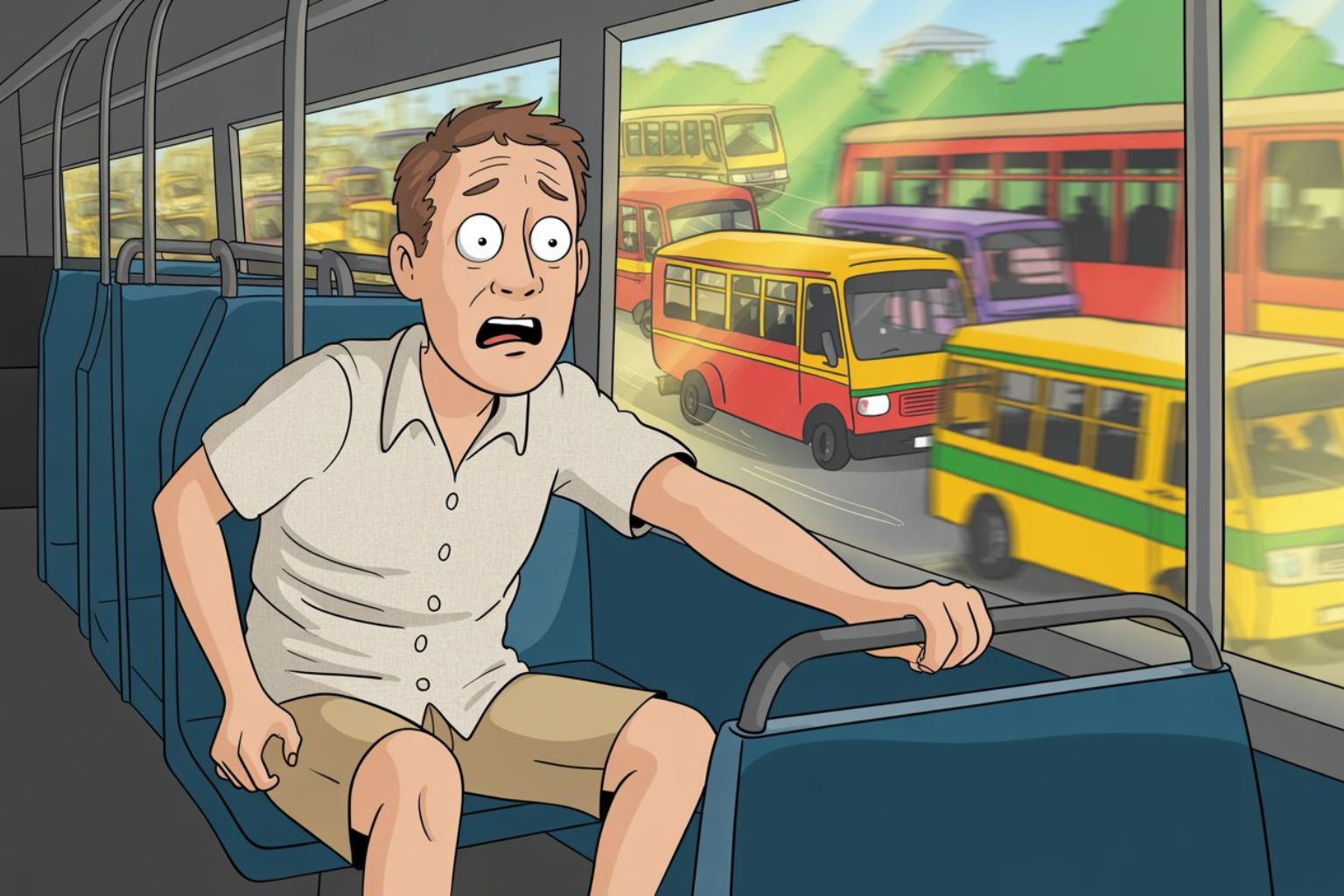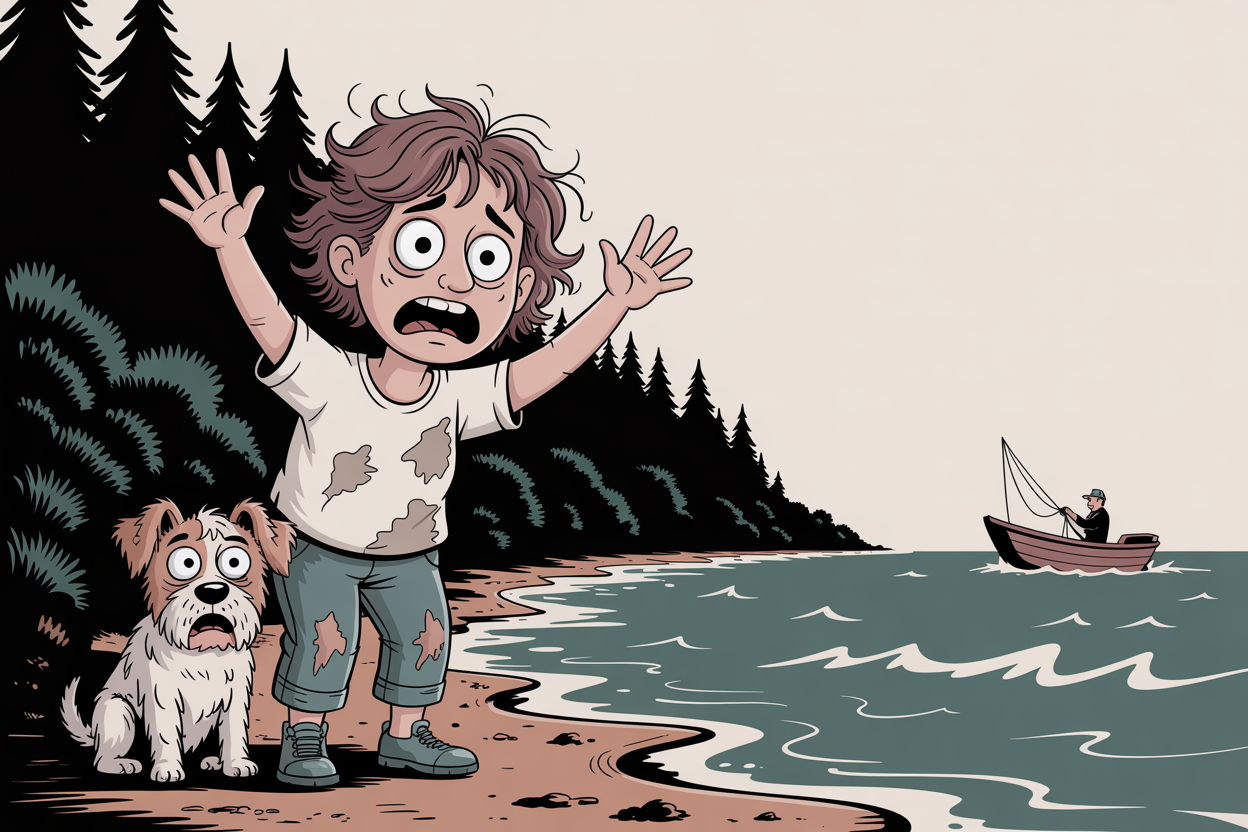
Illustration of a worried young traveler sitting inside an airport as smoke, flames, and panicked crowds appear outside the windows.

When your vacation turns dangerous: How do you know it’s time to leave?

Kate McCulley, a journalist based in Prague, knew it was time to leave Madagascar. Flights were getting canceled, protests had moved outside her hotel in Antananarivo, and the country was on the verge of a military coup. The police blanketed the neighborhood in tear gas. After several days of trying, she finally caught a flight to Réunion. Most travelers face a much harder version of her call. After months of planning and thousands of dollars spent, deciding whether to cut a vacation short when conditions shift is rarely simple. Civil unrest, a natural disaster, a sudden spike in crime, or a slow drift in local sentiment can each push a manageable risk toward a real threat. Government advisories often lag behind reality on the ground, tour operators have an interest in downplaying risk, and standard travel insurance generally will not cover a trip cut short on fear alone. There is no algorithm for the stay-or-leave decision, but security professionals point to clear early triggers that separate a manageable situation from a dangerous one, if travelers know what to watch for.

Fear of travel is at a high, but the data tells a different story. Here's why your summer vacation is still a safe bet, from peace rankings to airline risk.

No, your summer vacation isn’t going to kill you

Fear of travel is running high this summer. A reader named Cindy Smith nearly canceled a Danube river cruise and a week in Croatia after reading headlines about a cruise hantavirus outbreak and crew arrests. She is not alone. In a recent Global Rescue survey, less than 1 percent of respondents said their concerns about personal safety abroad had eased since last year, while 56 percent said they felt more concerned. Travelers cite three recurring fears: airlines collapsing mid-trip, dangerous conditions abroad, and anti-American sentiment. Yet the major U.S. carriers such as Delta, United, American, and Southwest remain profitable, and a conflict on one side of a continent does not make the other side unsafe.

A slow plane comin'.

CONSUMER ALERT: Why your next flight might be stuck in the slow lane—and what to do about it

If you’re heading to the airport this weekend, you might want to pack a little extra patience. As of midnight Friday, the Department of Homeland Security is out of money, and that means the people keeping our skies safe are back to working for IOUs. (We discussed the effectiveness of federalized security screeners on Saturday, and we’re still having a great conversation if you want to join.)