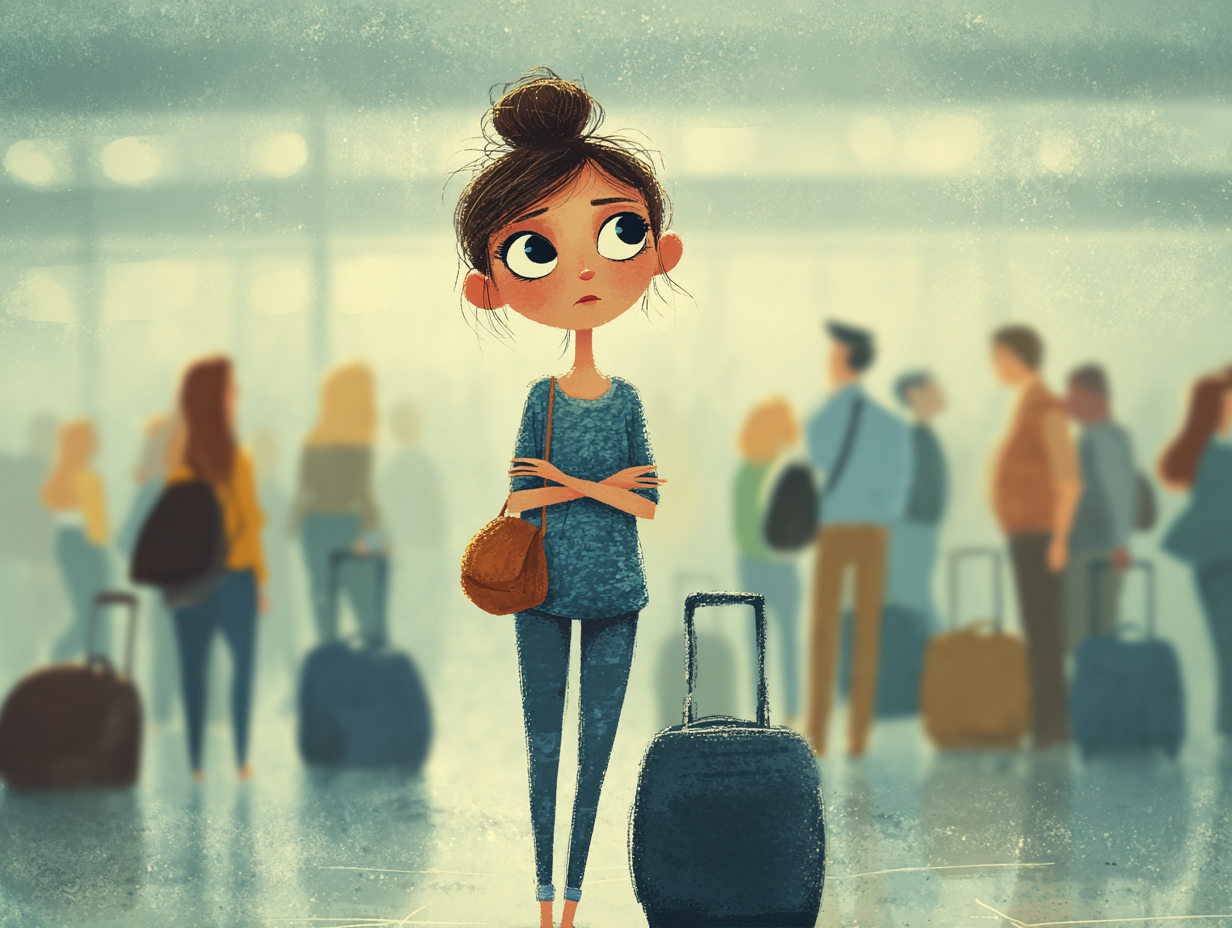
Soft pastel digital illustration of a young teenage girl with a messy brown bun and large worried eyes standing alone with her arms crossed and a small brown shoulder bag, beside her dark blue rolling suitcase, in the middle of a busy blurred airport terminal with other travelers and luggage in the background, illustrating a 13-year-old unaccompanied minor stranded at LAX after United Airlines denied boarding for a connecting flight the airline itself had authorized

United authorized my teen’s connecting flight, then left her stranded at LAX

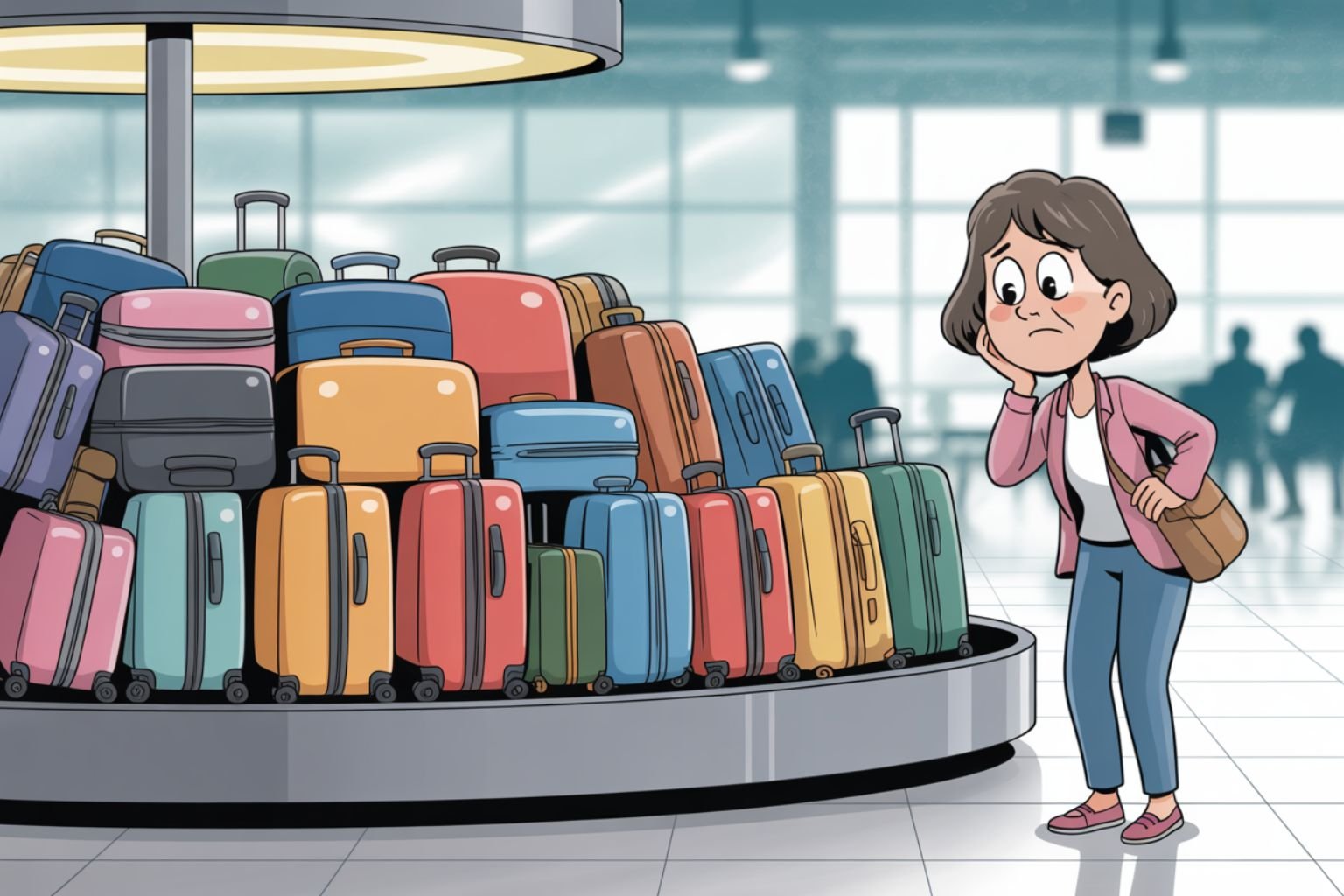
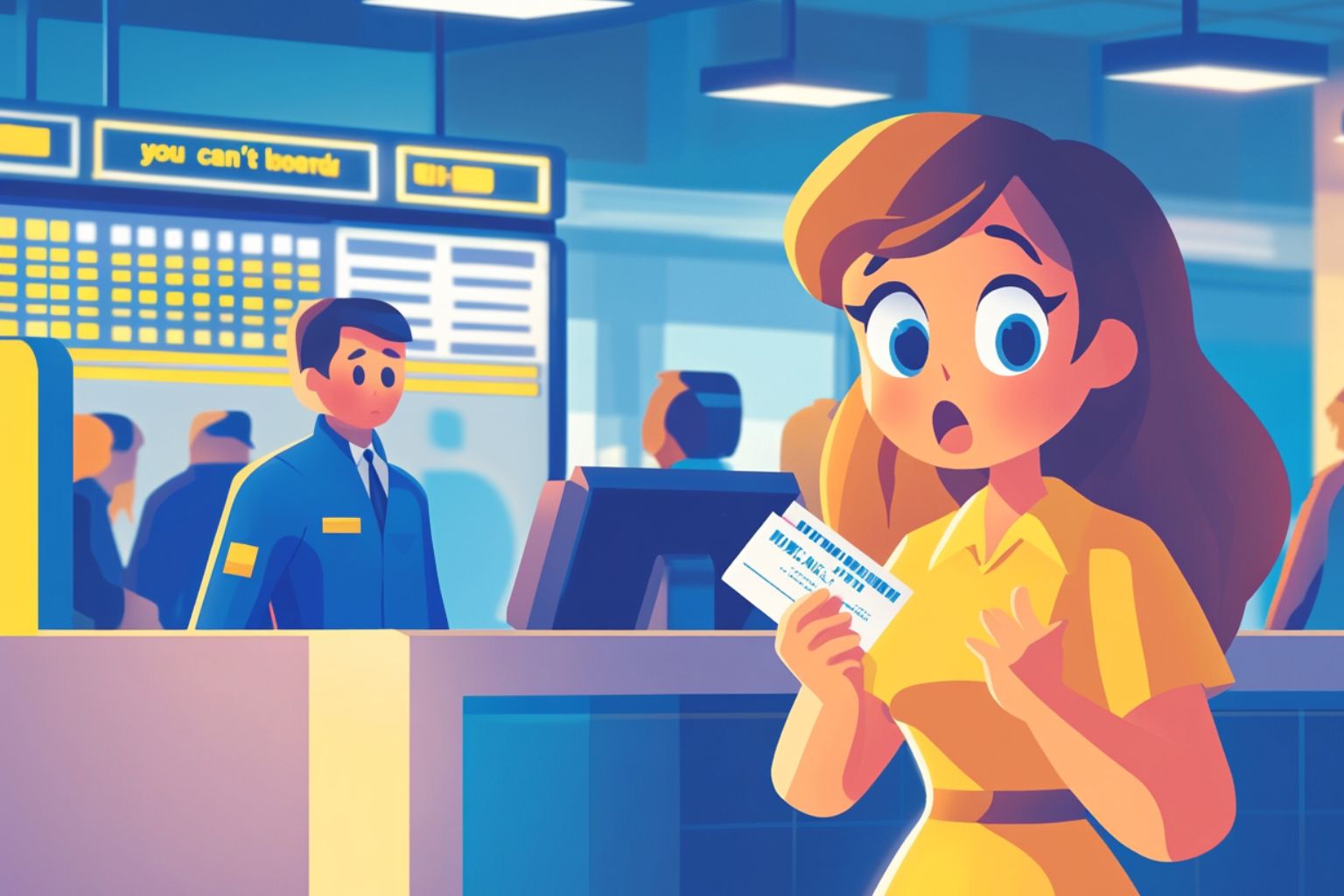
Shiri Willcot’s travel agent tried to book her 13-year-old daughter Ryan on a connecting flight from Los Angeles to Costa Rica via Houston, but United Airlines policy prohibits unaccompanied minors ages 5 to 14 on connecting flights. A United supervisor overrode the system, approved the reservation, and charged Willcot’s credit card the $300 unaccompanied minor fee. The travel agent reconfirmed the booking twice before departure, and a United representative on a recorded call two days before the flight confirmed Ryan could board without issue. At LAX, United agents refused to let Ryan board. For a month afterward, United claimed no record of the original flight existed despite confirmation emails, the credit card charge, and the recorded call. The airline gave three contradicting explanations before settling on its final narrative blaming the travel agency.

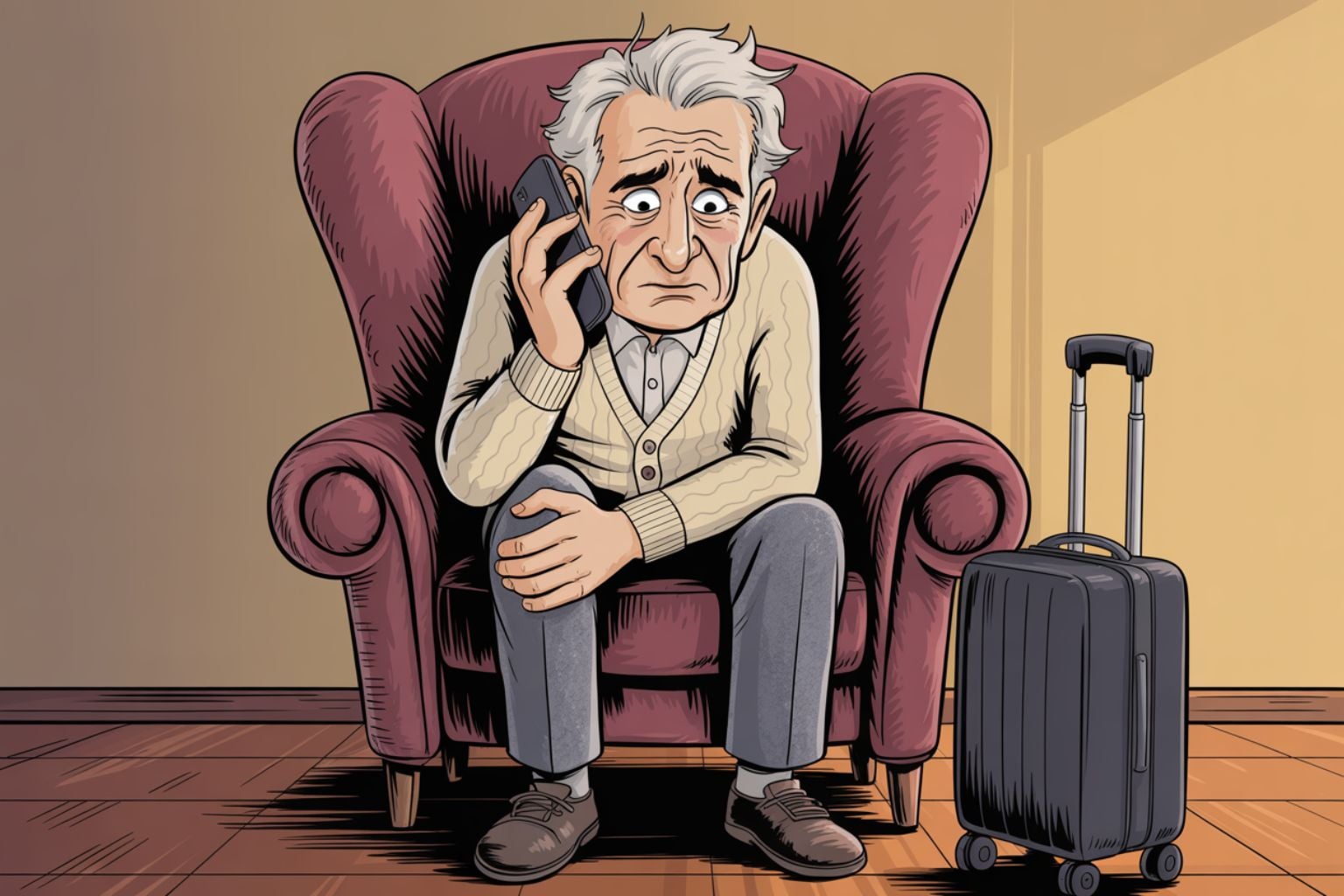
Editorial cartoon showing a worried elderly gray-haired man in a beige cardigan and gray trousers sitting in a dark red armchair with his hand on his sore right knee while holding a cell phone to his ear, with a black wheeled suitcase standing nearby on the hardwood floor, illustrating a senior traveler trying to secure a medical refund after a hip condition forced him to cancel a transatlantic flight

Why is ITA Airways making it impossible to get a medical refund?

Daniel Lichtblau booked two ITA Airways tickets from Chicago to Turin four months in advance. Shortly after booking, he learned he could not travel due to primary osteoarthritis in his right hip. He submitted a medical certificate from his orthopedic surgeon covering the travel dates and requested a refund for his ticket and a date change for his wife’s ticket. ITA Airways initially confirmed receipt of the documentation, then denied the refund claiming the certificate lacked a prognosis specifying the exact dates of inability to travel. The airline refused to specify what additional language was required. Under U.S. and state consumer protection laws, airlines must provide accurate guidance about their refund requirements.

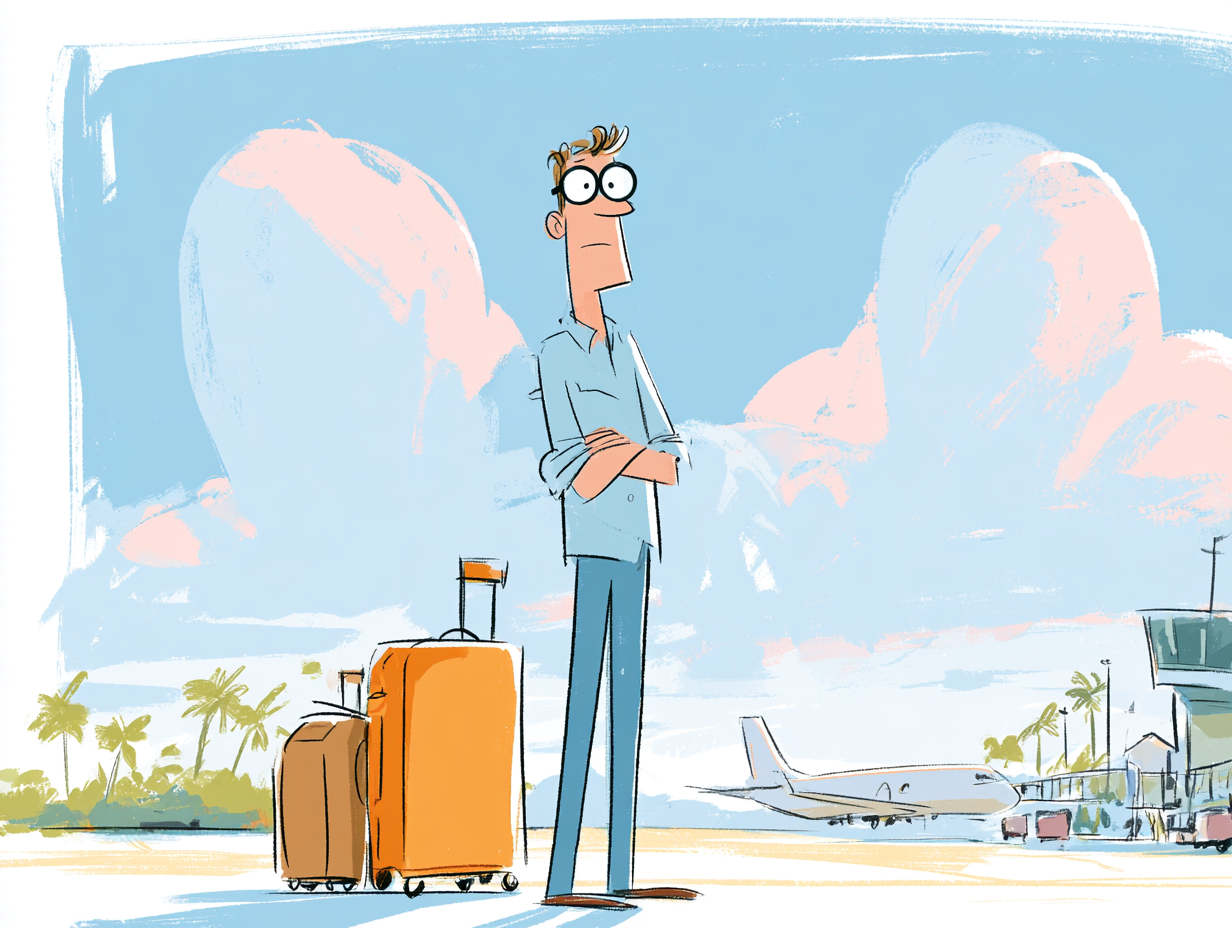
Editorial illustration showing a thin man with brown hair and round glasses standing with arms crossed next to two orange roller suitcases on an airport tarmac with palm trees and a small white airplane visible in the background, illustrating a passenger left stranded after an airline schedule change forced him to buy replacement flights at his own expense

Aeromexico offered him a “free” flight change. Then it refused to give him one.

Jorrit Muller booked Aeromexico flight 335 from Puerto Vallarta to Orlando for a wedding. Three months before departure, Aeromexico shifted his flight one hour earlier, into the reception time. The airline notified him that if the new flight did not work, he could move to another at no additional cost. When he tried to use that offer through Aeromexico’s WhatsApp support, the available flights were operated by Delta as code-share. An agent told him to request a refund instead, then Aeromexico denied the refund. Under DOT rules, a significant change for international travel requires a schedule shift of six hours or more.

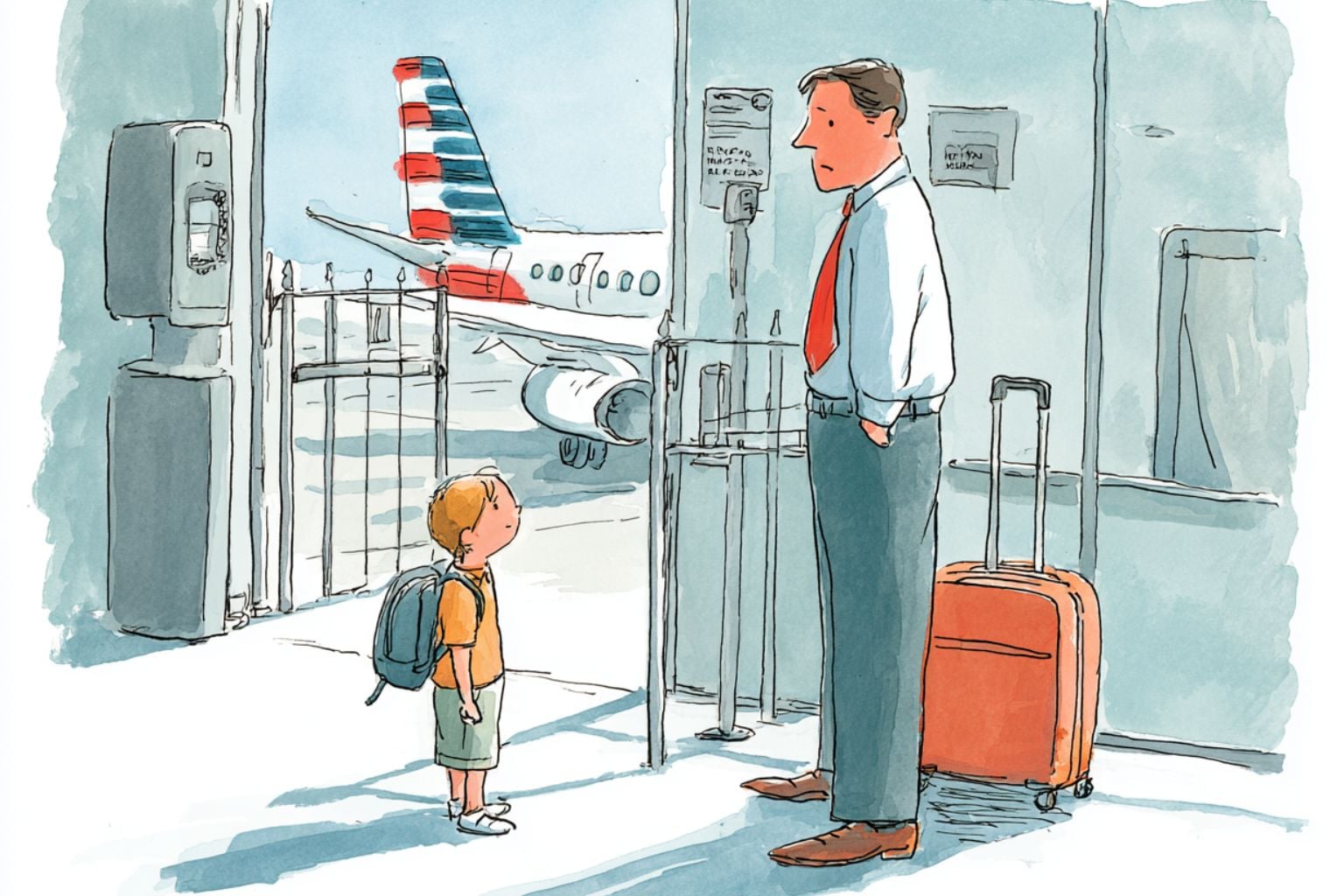
Watercolor editorial illustration of a father in a white shirt and red tie standing with his young son who carries a backpack at an American Airlines departure gate, with an American Airlines plane visible through the window beyond the closed gate door, illustrating how families get separated when airlines pull passengers from boarding lines and document involuntary bumping as voluntary

American Airlines claims I voluntarily gave up my seat, but that’s a lie

Charles Shearer was traveling from Cleveland to Japan for his mother-in-law’s funeral when American Airlines pulled him and his young son from the boarding line. His grieving wife boarded alone while gate agents offered $500 vouchers, with one even verbally acknowledging the bumping was involuntary. American later documented the incident as voluntary in its system, denying him the federal compensation of up to $2,150 per passenger that involuntary bumping triggers when passengers arrive over two hours late. Federal law mandates 400 percent of one-way fare in cash compensation, paid at the airport on the day of the flight.