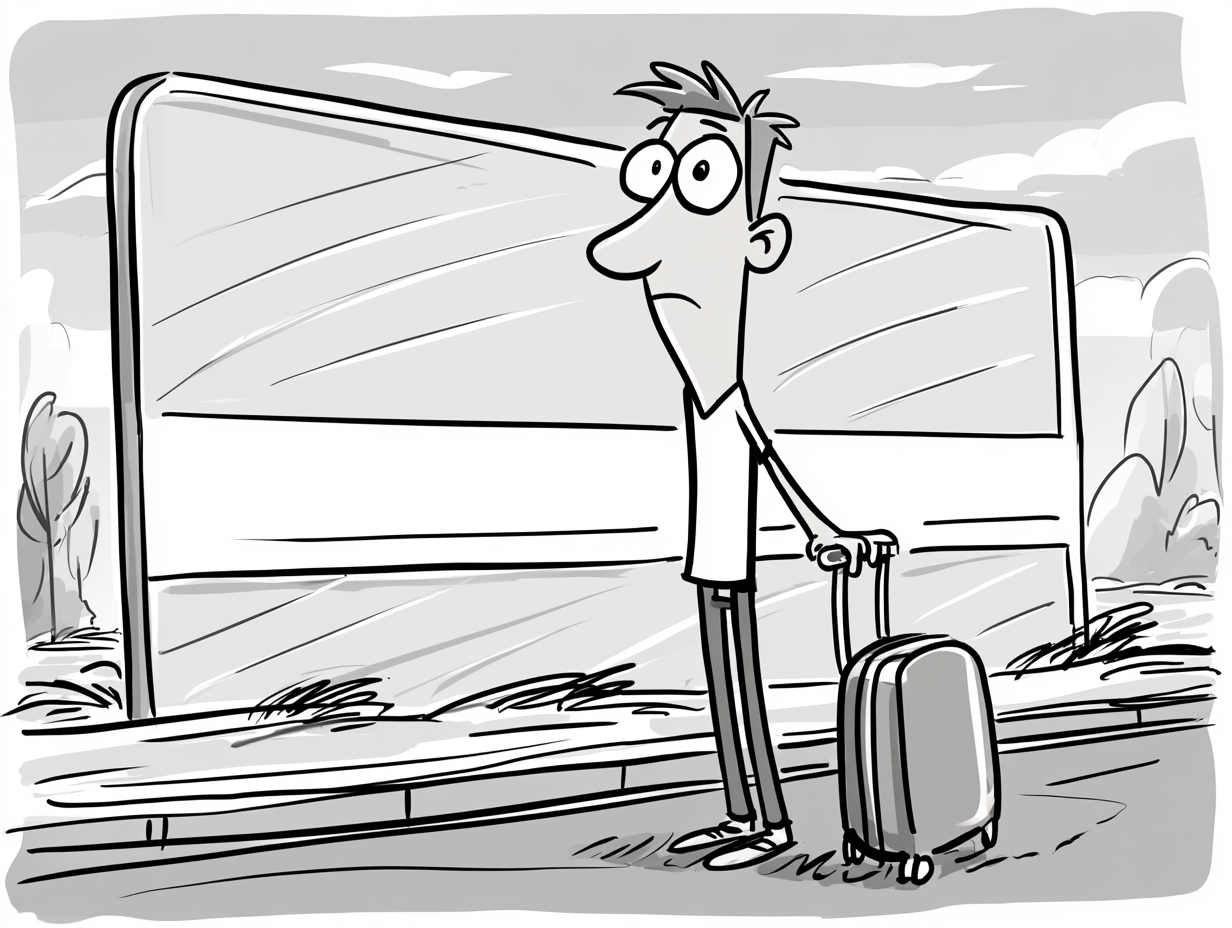
Cartoon of a wary traveler with a suitcase standing beside a large blank billboard.

This summer’s biggest points swindle

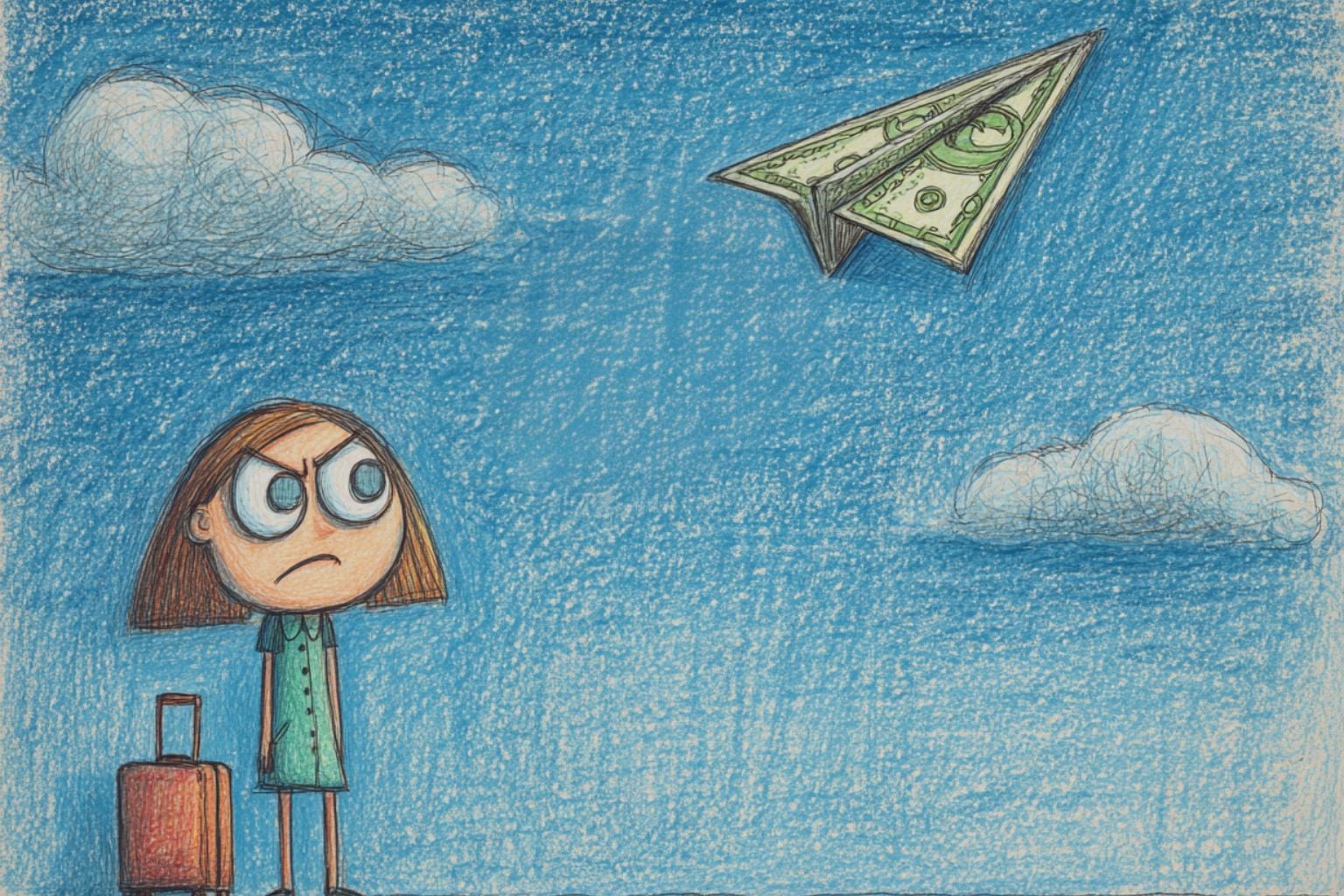
Travel websites are asking you to do something strange this summer. They want you to write to Congress and beg lawmakers not to lower your credit card fees. Sites that present themselves as working for consumers are running petition drives against the Credit Card Competition Act, a bipartisan bill that would require the biggest banks to let more than one network process your credit card. The pitch is always some version of protect your rewards, and there is usually a form: fill in your name and ZIP code, and a prewritten letter goes to your representatives. What those drives tend not to mention is who else is making the same argument. The banks run a campaign of their own through their trade group, and the airlines fund another. Swipe fees run roughly 2 to 3 percent of every purchase, merchants build them into their prices, and you pay them whether you notice or not.
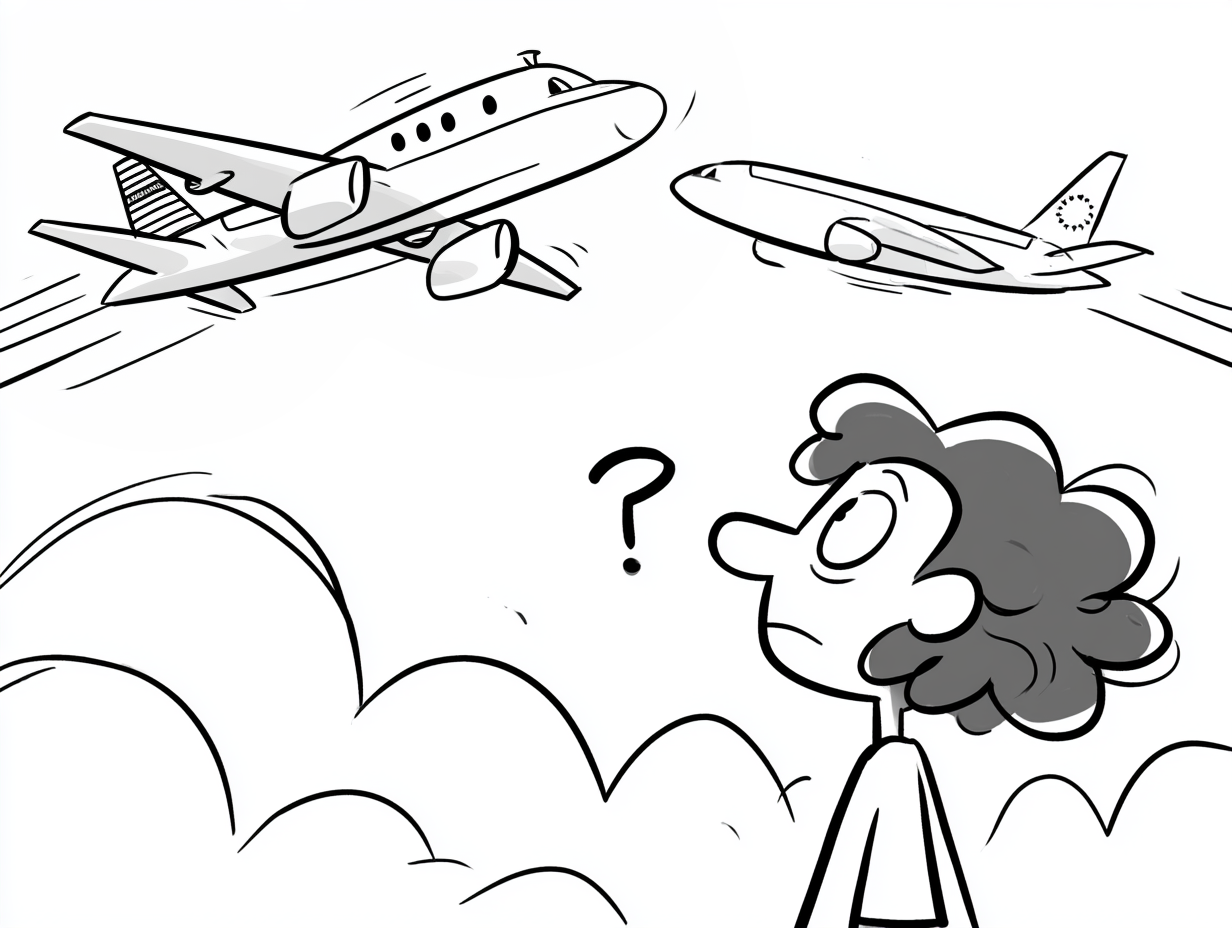
Black and white cartoon of a puzzled traveler with a question mark overhead watching two airplanes fly away in opposite directions.

America and Europe just went opposite ways on airline fees. Who’s right?

How much of an airline ticket’s price do you deserve to see when you shop for a flight? The United States and Europe just answered that question within days of each other, and came to opposite conclusions. In America, a rule that would have required airlines and booking sites to show you the cost of a checked bag or a ticket change the first time a fare appeared never survived. A federal appeals court blocked it before any airline had to comply, then threw it out entirely, faulting the government for skipping a step rather than finding fee transparency unlawful. Instead of redoing the rule, regulators made the defeat official and restored the older standard: airlines note that fees may apply and point you toward the fine print. Europe went the other way, approving its first overhaul of air passenger rights in more than two decades, with fares that must include the cost of a standard carry-on from the outset. Airlines argue that unbundling lets travelers who skip the extras pay less, and that every mandatory fee is disclosed before you buy. Consumer advocates counter that a fare hiding the bag charge is not really a price at all.

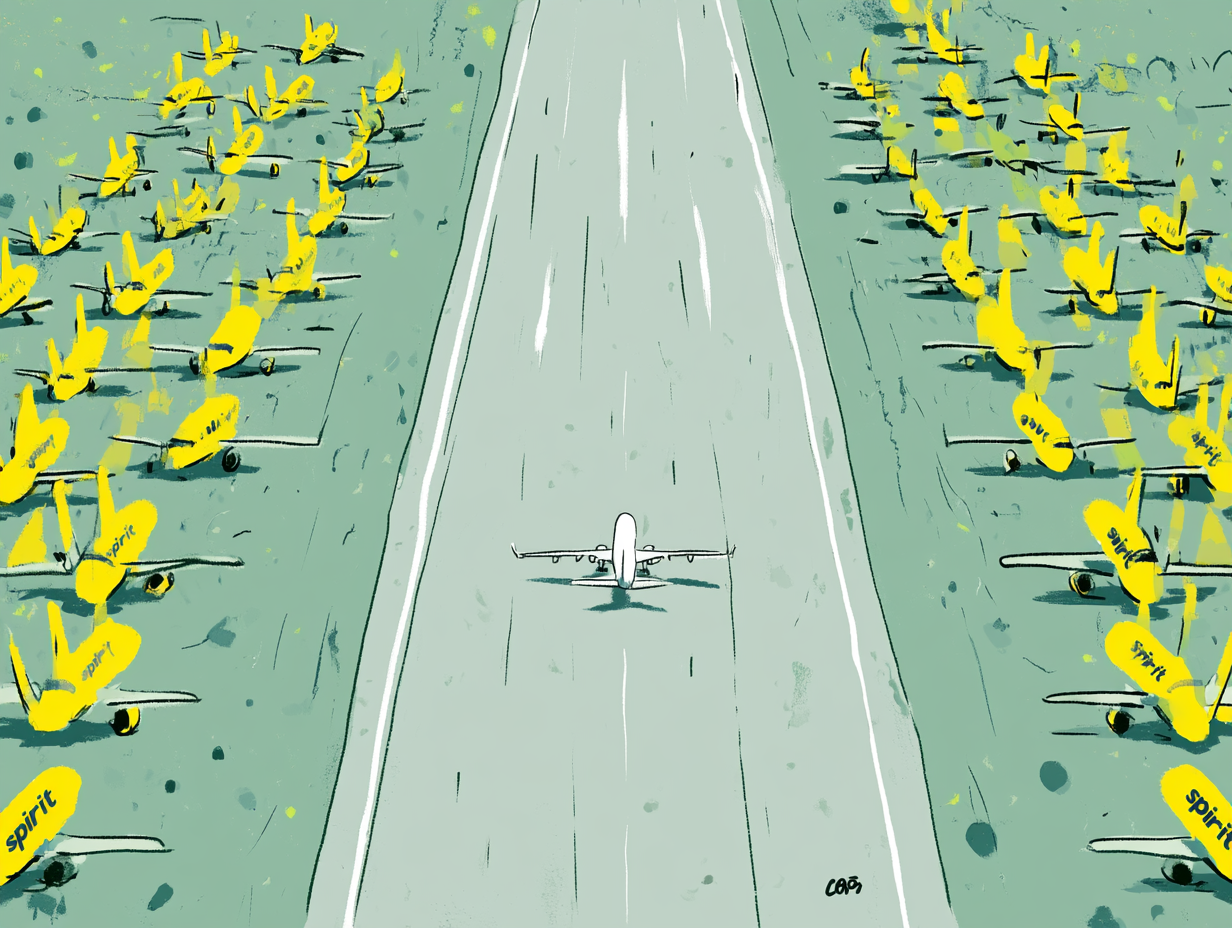
Editorial illustration showing a single white airplane taking off down a runway between two large fields of grounded yellow Spirit Airlines aircraft on either side, viewed from behind, illustrating how thousands of Spirit Airlines passengers were left stranded after the carrier's shutdown while one rescue flight departs without them

Spirit Airlines’ death shows why we need better passenger protections

Tens of thousands of Spirit Airlines passengers discovered their tickets were worthless this week after the carrier collapsed. JetBlue is reportedly in financial distress and several ultralow-cost carriers including Frontier, Allegiant, and Avelo have lined up at the federal aid window. Before deregulation in 1978, Rule 240 required airlines to put stranded passengers on a competitor’s next available flight at no extra cost. Congress brought a version back as Section 145 of the Aviation and Transportation Security Act after 9/11, but it expired in 2005. The DOT issued Order 2026-5-1 encouraging rescue fares but cannot compel airlines to honor competitor tickets without congressional action.