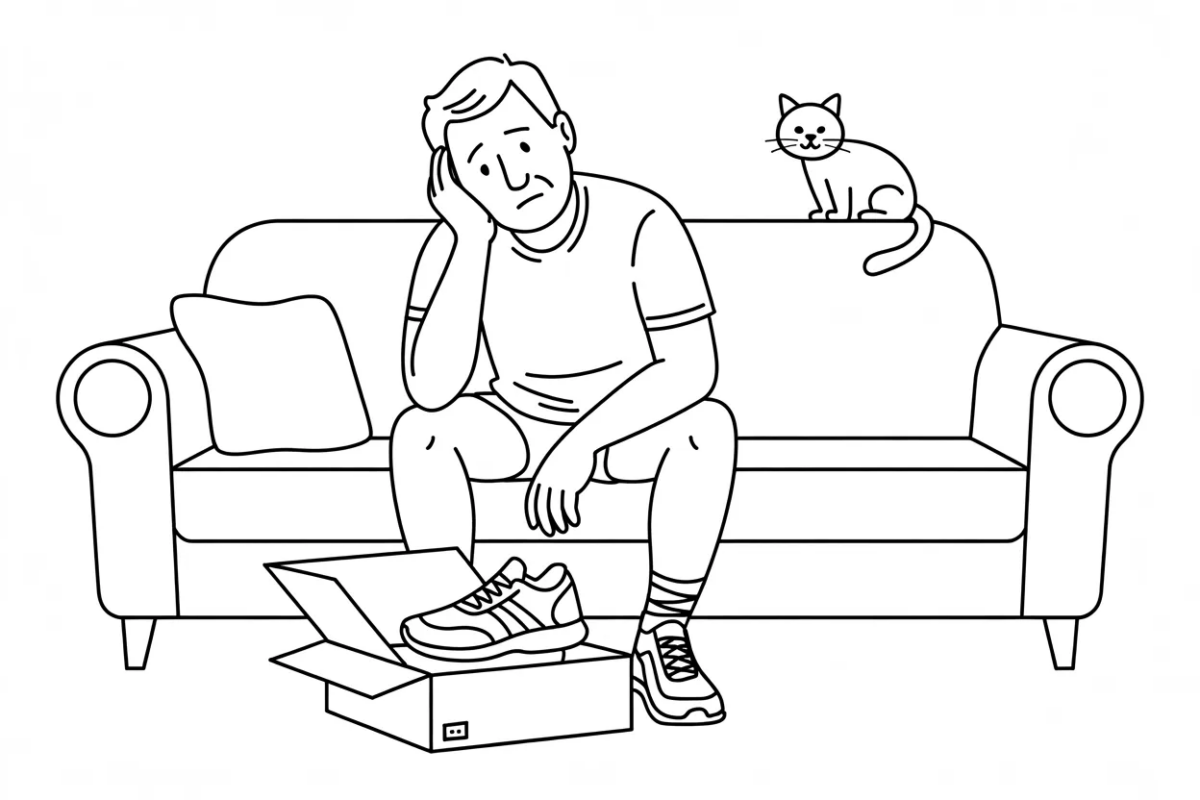
After sustaining an injury, Andrew Greenman tries to return a pair of shoes to Amazon that he can no longer wear. Amazon promises him a refund in writing, but then reneges. Can a company do that?
Question
I purchased a pair of Cloudmonster Sneakers from a third-party seller on Amazon for $179. I didn’t know that a future injury would make them unusable for me. A few months later, I suffered a work-related ankle injury, and my doctor advised me against wearing this type of shoe for safety reasons.
I contacted Amazon to see if I could return them. I went through multiple chats with different agents who gave me conflicting guidance. Some told me to work with the third-party seller, while the seller told me the return window had expired. Amazon support continued to handle the issue and eventually escalated it.
A few weeks later, I chatted with an Amazon agent who seemed to solve everything. He sent me a follow-up email stating, “$179 will be refunded to your original payment within 24-48 hours.” He even mentioned it was being re-issued due to a “system” issue. I felt relieved and trusted that the matter was settled.
But the refund was never posted. When I followed up, Amazon’s executive customer relations told me the refund “did not comply with policy” because the return window had closed and the item was from a third-party seller. It refused to honor the written confirmation a representative had sent me.
I’m not trying to break the rules, but I relied on Amazon’s written word. It seems wrong that it can promise a refund in writing and then just change its mind because of an internal policy error. Can you help me get Amazon to honor its commitment? — Andrew Greenman, Washington, D.C.
Answer
Amazon should have honored the promise made by its representative. A written confirmation from an authorized agent creates an expectation that the company is bound to follow, regardless of the return policy. If an agent makes an error it should be on Amazon—not you.
I can’t advocate for returning a pair of shoes months after you bought them from a third party on Amazon—my advocacy powers have limits—but if Amazon said it would let you return the item, you should be able to return it. And it did.
You did the right thing by getting that promise in writing. Without that email, you wouldn’t have had a leg to stand on given the long-expired return window. When you’re dealing with third-party sellers, it is always best to double-check the return policy before the window closes, even if you don’t plan on returning the item immediately.
You also followed the correct escalation path by reaching out to the Amazon executive contacts I list on my site, Elliott.org. Keeping a meticulous paper trail of your chats and emails was the key to proving your case. Unfortunately, the VP you contacted never responded. That was a missed opportunity for Amazon, and it would have prevented your case from ever being in my column.
I nearly laughed when he said in his note, “I’m not trying to break the rules,” because that’s exactly what he was trying to do.
The agent who promised the refund was in the wrong. Having worked for a call center with the general public, I know how calls like this go, and it’s never pleasant. Customers who don’t like being told no will make sure you know they intend to turn that no into a yes by any means available.
He should have accepted the first no and moved on, instead of calling repeatedly until he found an agent without the training or the wherewithal to withstand it.
I contacted Amazon on your behalf to ask about your refund. I pointed out that you had a written confirmation and had relied on it in good faith.
Amazon agreed and refunded you the full $179. As a bonus for the trouble, Amazon also added a $50 credit to your account. It’s good to see that even a retail giant can admit when it needs to make things right.

Have a question about this story? Tell us what happened — we read every comment.
Join the conversation