Under a vast sky, Australia’s Northern Territory grapples with tourism sustainability
Just after sunset on a ranch outside Alice Springs, Australia, the inky blackness of the night sky drapes across the Outback.
A feature about sustainable and authentic destinations around the world.
Just after sunset on a ranch outside Alice Springs, Australia, the inky blackness of the night sky drapes across the Outback.
Margret Campbell stands at the edge of Sydney’s Harbor foreshore, her hand brushing the leaves of a seasonal wattle tree.
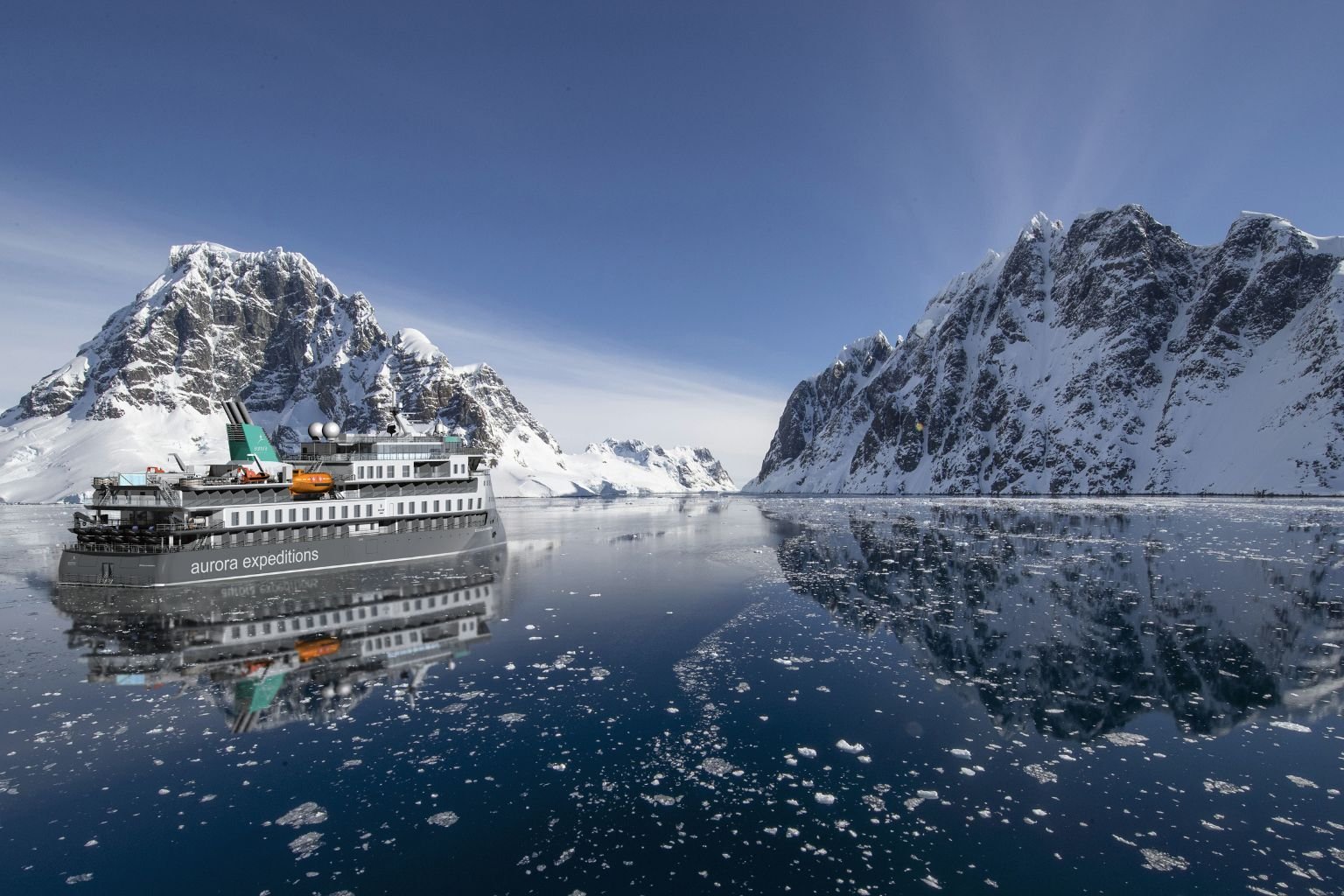
Aurora Expeditions, a small Sydney-based cruise line, is on a mission to rewrite the cruise industry’s sustainability narrative in a big way.
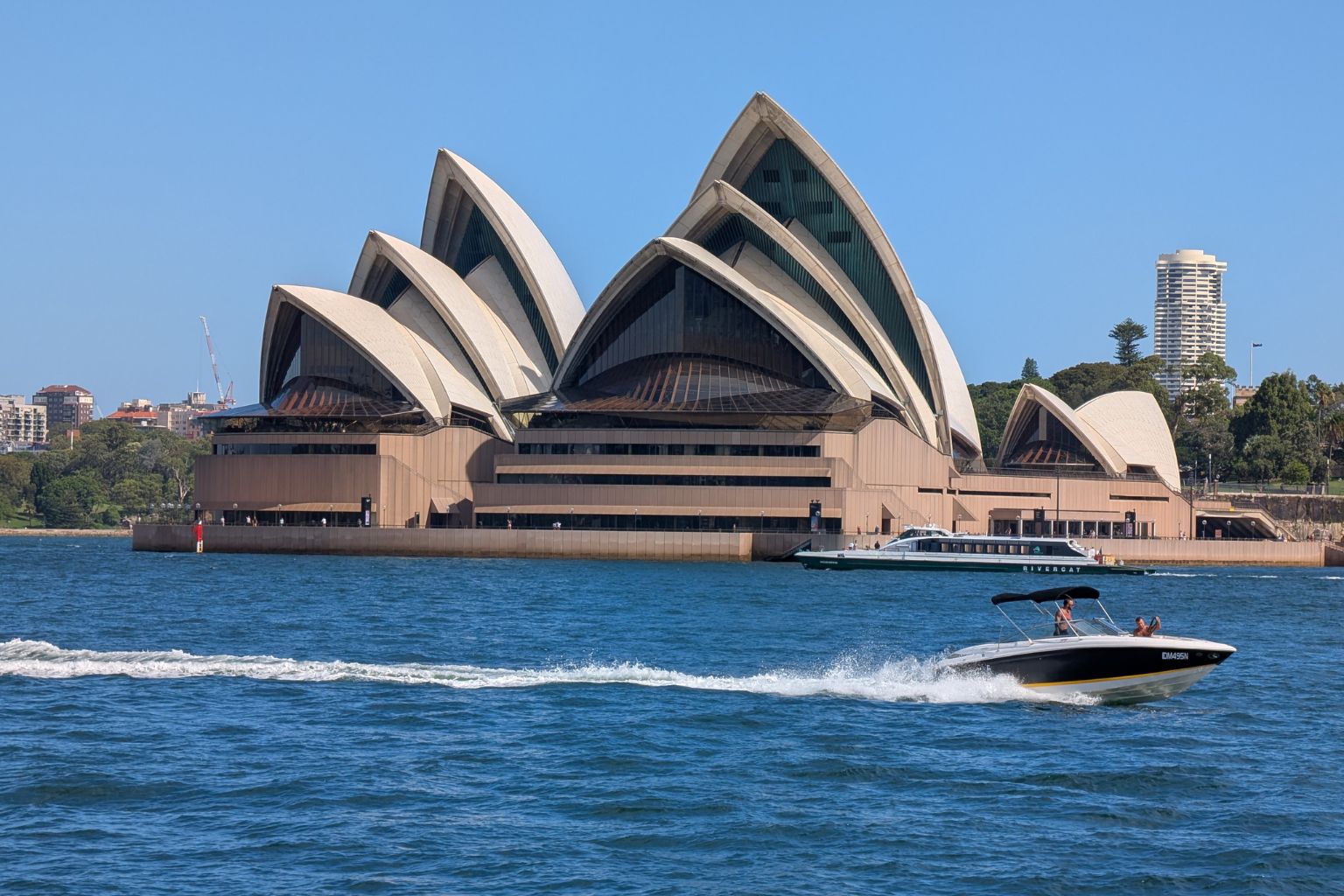
The Sydney Opera House is more than just an architectural marvel. It’s more than the gleaming white sails that grace postcards, Instagram feeds, and travel documentaries. It’s more than the iconic backdrop to Australia’s New Year’s Eve fireworks.
If there’s one word to sum up Flockhill Lodge, a new luxury resort in New Zealand, it is “more.”
Can an airport be sustainable? Before you answer that question, step outside any terminal and catch a whiff of burning jet fuel — a searing, earthy odor that reminds you air travel is one of the most carbon-intensive industries on the planet.
It’s no secret that the world’s most sustainable cities think their forward-looking views on the environment will attract more visitors. But what’s less known is whether being green makes them worth a visit.
On a hilltop overlooking New Zealand’s lush Whanganui River, Dan Steele is thinking about the future. Not just his future or the future of his sprawling ranch, Blue Duck Station. He’s thinking about all of New Zealand.
Forget sustainable tourism. In forward-looking destinations like New Zealand, it’s all about regenerative tourism.
Say the word “sustainable” around an airline executive, and they’ll probably try to change the subject. That’s because green air travel is a distant dream. But not for Air New Zealand.