


What's the book corporate America doesn't want you to read? Find out now -- or you could get scammed.

Blame it on the weather

March 19, 2001

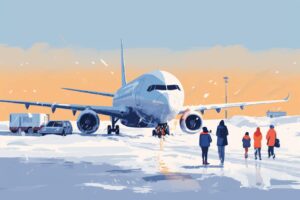
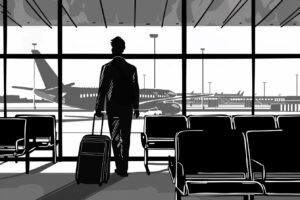
When Charlie Leocha heard that the storm of the century had zeroed in on New England last weekend, he decided to cut short a meeting in Miami and return to Boston. He phoned American Airlines to get on a standby list and was told his chances “weren’t bad.” Then American, like most other carriers, began canceling flights. By the time Leocha arrived at the Miami airport, every flight home was overbooked. American blamed the weather.

Just one problem: Miami’s weather was fine, and the anticipated blizzard up north had stalled. Boston’s Logan Airport remained open. Leocha, the author of the book Travel Rights, suspects the airlines were using an “act of God” excuse to drop the flights: “Everyone was led to believe it was the weather, but . . . we’ll never know.”

Plagued by labor strife and earnings woes, airlines have plenty of reason to tighten their belts. But American says it didn’t use weather forecasts as an excuse to cancel flights and save money. “We believed the weather was going to hit, and hit hard,” says Mary Frances Fagan, an airline spokeswoman. Diana Cronan, a spokeswoman for the Air Transport Association, says American did the right thing: “Airlines will traditionally cancel flights,” she says, “if they know there’s going to be a big storm.”

Wait and see. Not always, though. Last week, US Airways adopted a “wait and see” approach in the Washington area, because “we felt there was uncertainty about how the storm would go,” says spokesman David Castelveter. “As it turned out, there was none.”

If there were other reasons for the cancellations, the timing couldn’t have been worse. A new bill before the House, sponsored by Democrats Peter DeFazio of Oregon and Louise Slaughter of New York, would require carriers to be more upfront with passengers about delays and cancellations. Another in the Senate, introduced last week by Democrat Ron Wyden of Oregon, would force airlines to tell customers when a flight they are about to book is chronically delayed or canceled.

Such rules might help passengers like Leocha in the future. Travelers grounded for reasons other than weather generally have more rights under an airline’s contract of carriage. Minneapolis-based airline expert Terry Trippler believes the weather loophole needs to be closed. “There’s really no way for a passenger to challenge an airline when it blames a cancellation on the weather,” he says. “How are we to know if they’re telling the truth?”


When Charlie Leocha heard that the storm of the century had zeroed in on New England last weekend, he decided to cut short a meeting in Miami and return to Boston. He phoned American Airlines to get on a standby list and was told his chances “weren’t bad.” Then American, like most other carriers, began canceling flights. By the time Leocha arrived at the Miami airport, every flight home was overbooked. American blamed the weather.

Just one problem: Miami’s weather was fine, and the anticipated blizzard up north had stalled. Boston’s Logan Airport remained open. Leocha, the author of the book Travel Rights, suspects the airlines were using an “act of God” excuse to drop the flights: “Everyone was led to believe it was the weather, but . . . we’ll never know.”

Plagued by labor strife and earnings woes, airlines have plenty of reason to tighten their belts. But American says it didn’t use weather forecasts as an excuse to cancel flights and save money. “We believed the weather was going to hit, and hit hard,” says Mary Frances Fagan, an airline spokeswoman. Diana Cronan, a spokeswoman for the Air Transport Association, says American did the right thing: “Airlines will traditionally cancel flights,” she says, “if they know there’s going to be a big storm.”

Wait and see. Not always, though. Last week, US Airways adopted a “wait and see” approach in the Washington area, because “we felt there was uncertainty about how the storm would go,” says spokesman David Castelveter. “As it turned out, there was none.”

If there were other reasons for the cancellations, the timing couldn’t have been worse. A new bill before the House, sponsored by Democrats Peter DeFazio of Oregon and Louise Slaughter of New York, would require carriers to be more upfront with passengers about delays and cancellations. Another in the Senate, introduced last week by Democrat Ron Wyden of Oregon, would force airlines to tell customers when a flight they are about to book is chronically delayed or canceled.

Such rules might help passengers like Leocha in the future. Travelers grounded for reasons other than weather generally have more rights under an airline’s contract of carriage. Minneapolis-based airline expert Terry Trippler believes the weather loophole needs to be closed. “There’s really no way for a passenger to challenge an airline when it blames a cancellation on the weather,” he says. “How are we to know if they’re telling the truth?”

Christopher Elliott is the author of Scammed: How to Save Your Money and Find Better Service in a World of Schemes, Swindles, and Shady Deals. Critics have called it “eye-opening” and “inspiring” — it’ll “grab your attention and won’t let go.” Order your copy now on Amazon, Barnes & Noble or iTunes.

Be the first to comment

Previous post:

Next post: