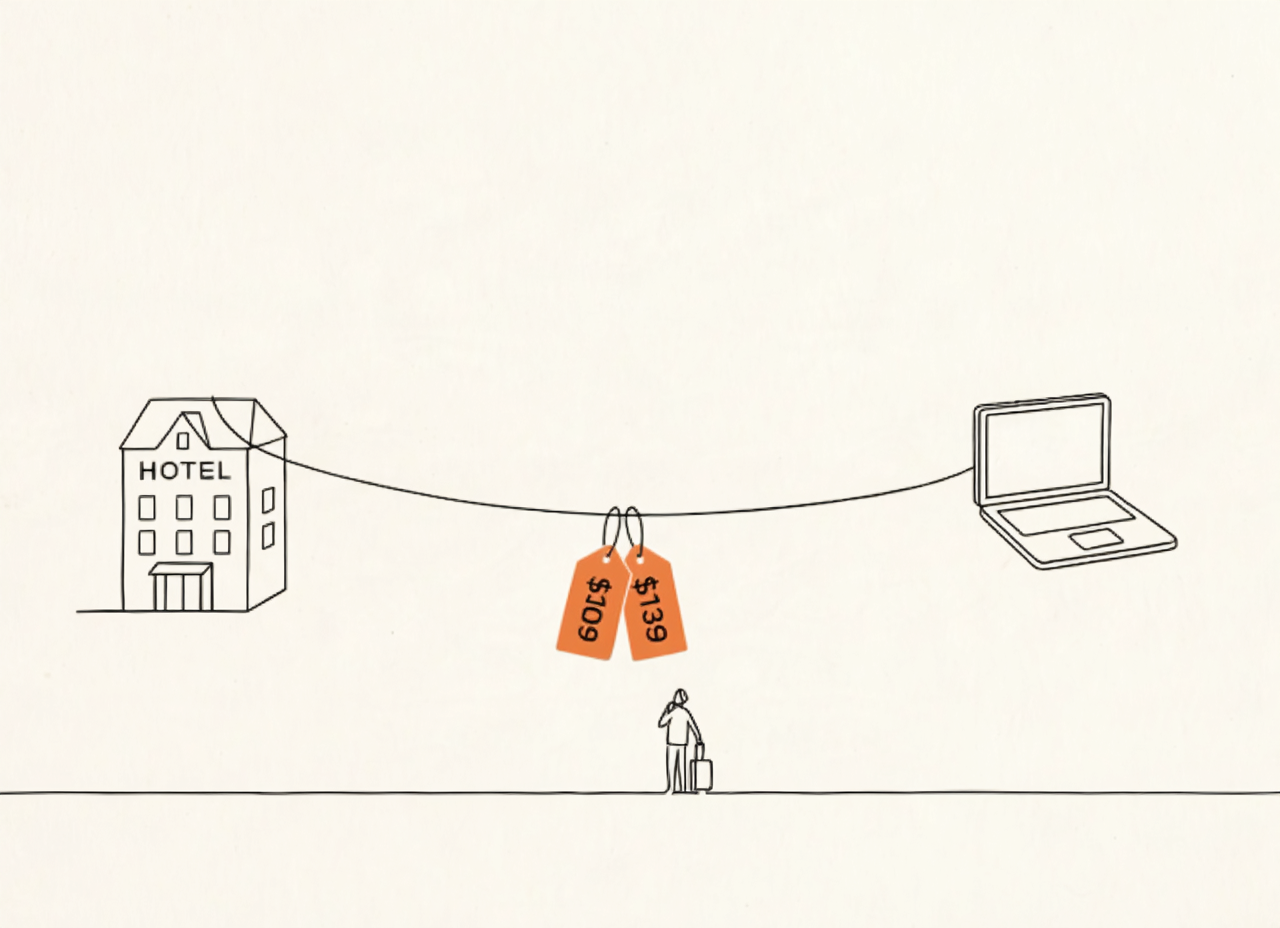
Let’s end the gotcha clause that’s making your hotel room more expensive
When Hilary Azzaretti found a deal on a Croatian hotel’s website, she did what any smart traveler would do. She double-checked the price on Expedia.
Elliott Advocacy is a nonprofit organization that mediates cases between consumers and businesses. These are commentary articles that detail our efforts and provide educational information for consumers.
When Hilary Azzaretti found a deal on a Croatian hotel’s website, she did what any smart traveler would do. She double-checked the price on Expedia.
By all outward appearances, Ari and Shanna Nachison did what airline loyalty programs want their best customers to do. They joined American Airlines’ AAdvantage program, signed up for American-branded credit cards and then started collecting miles. By early 2020, each of them had more than 550,000. Then American shut down both accounts.
You feel it at the gate when your flight is delayed a third time and nobody offers an explanation. In the United States, air passenger rights are shrinking. Everywhere else, from Europe to India, governments are moving the other way.
Minutes after Howard Gross picked up his Alamo rental in Nice, a tire warning light came on. An agent checked the tires and called it a false alarm. A week later a tire went flat. Alamo charged his card $752.
You can negotiate a room rate, skip the minibar, maybe talk your way out of a resort fee. But you cannot negotiate a tax. It is the one charge on your bill with no say, and no one explains it.
Most consumer complaints are fixable. But a discouraging number arrive pre-broken, sabotaged by the person who wrote them, usually in the first paragraph and with a single word. Seven phrases all but guarantee your case fails before anyone reads it.
A cheap airfare catches your eye, you click, and the boxes pop up. Forty dollars for a checked bag. Twenty-five for a seat. Airlines say showing the full price up front would confuse you. Vacation rental platforms just proved otherwise
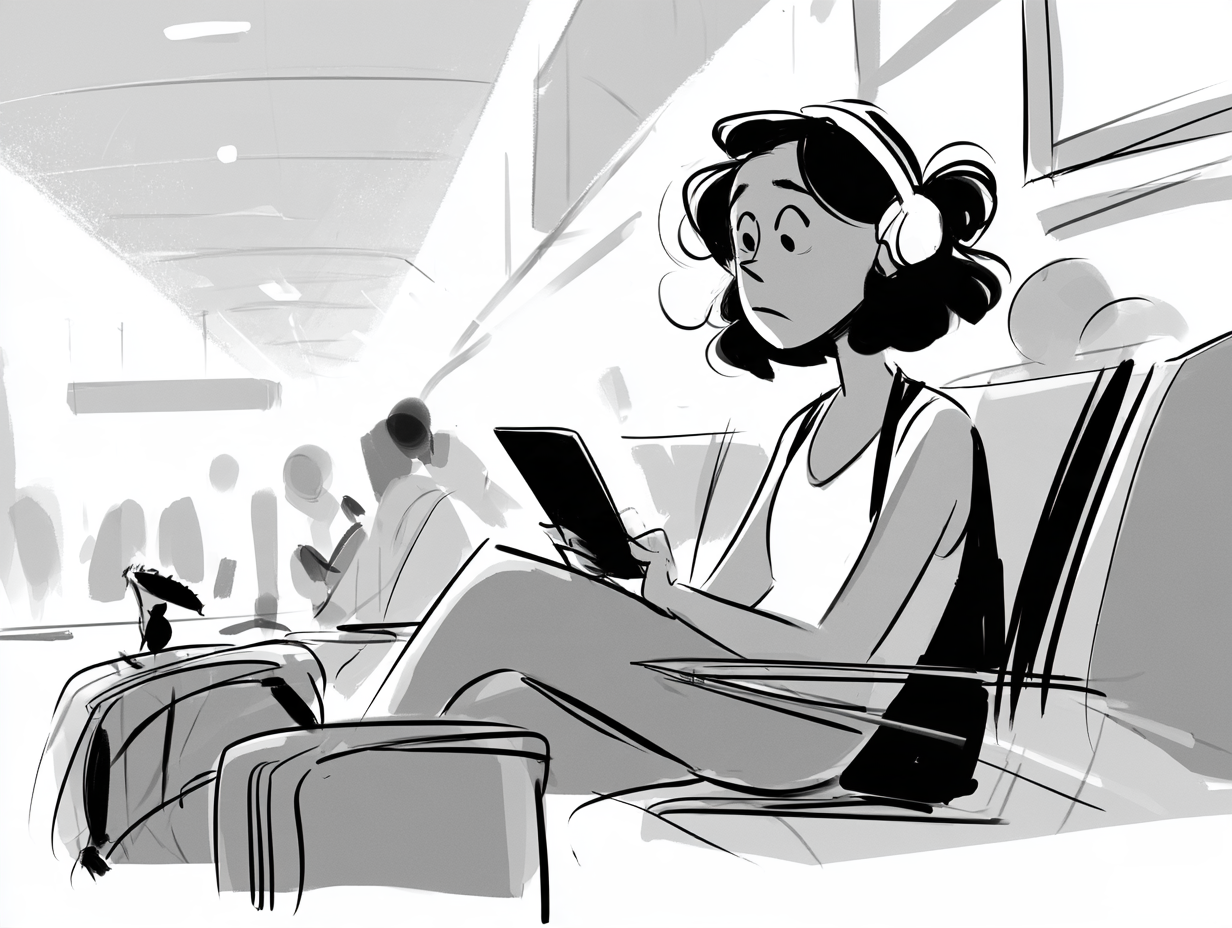
An algorithm sets your airfare. Another sets the hotel’s rate. A third answers your complaint with a non-answer, hoping you give up. AI arrived in travel years ago, and travelers are paying more and getting worse service because of it.
A federal committee created to give air travelers a voice inside the government meets this month for the first time in three years. It has four members, one of them for consumers, and an agenda limited to three disclosure documents.