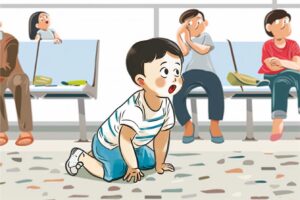





It isn’t your imagination. The space between economy class seats — also called “pitch” — has slipped from a comfortable 34 inches at the end of airline regulation in the late 70s to a cozy 31 inches or less today. Now European authorities want to stop the pitch shrinkage before it gets any worse.
The European Aviation Safety Agency (EASA) said yesterday it is “studying the possibility” of imposing a minimum space between the seats for all constructors who want to be registered in Europe, according to a wire service report.
There have been rumors about minimum pitch requirements since a study on so-called Economy Class Syndrome (deep vein thrombosis) caught the attention of continental regulators. In a Rulemaking Directorate released last year, EASA regulators declared, “all ins and outs on the issue of minimum seat pitch need to be investigated, including the potential relations to DVT.” It called for more research.
It looks like the studies are done. EASA now believes change is necessary for two reasons. First, to prevent more DVT cases — those are the formation of a blood clot in a deep vein, most commonly in the legs. And second, to decrease the risk of injury in the event of an evacuation of the aircraft.
The average space between seats in economy class is about 31 inches in Europe. There’s no indication of what the new minimum might be. If passengers have a say, it would be at least 34 inches — that’s widely considered a humane amount of legroom.
And what if the Europeans fail to pass the standards?
Well, there’s always the Knee Defender.
Christopher Elliott is the author of Scammed: How to Save Your Money and Find Better Service in a World of Schemes, Swindles, and Shady Deals. Critics have called it “eye-opening” and “inspiring” — it’ll “grab your attention and won’t let go.” Order your copy now on Amazon, Barnes & Noble or iTunes.

Elliott is consumer advocate
WHAT'S YOUR PROBLEM? If you're having trouble with a travel business - any business - and you've reached a dead end, maybe I can help. Send me an