What's the book corporate America doesn't want you to read? Find out now -- or you could get scammed.

Commoditization, the sequel

April 9, 2006

I just returned from The Miami Herald Travel Expo, where I participated in panel discussions about travel problems and the benefits (and drawbacks) of using a travel agent.

Here’s the thing that surprised me the most about the people I spoke with before, during and after my presentations. They were almost all fixated on the price they paid for their travel product.

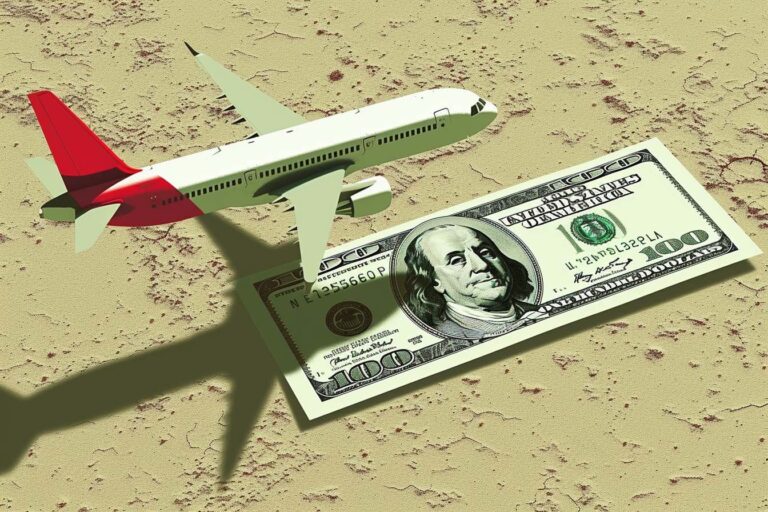
The term “commoditization” is nothing new to the travel industry. Basically, it means that travelers have begun to think of their airline seats, hotel rooms and cruise berths as a “commodity,” where quality takes a back-seat to price.

But I think it’s evolved beyond that. It is to the point where price isn’t the biggest consideration; it’s the only consideration.

Call it hyper-commoditization.

I can’t blame a travel company for treating its product as if it were a commodity, too. In the end, we’ll pay about the same amount (after they’ve added all of the surcharges and fees) and the travel companies will earn as much as they did before. Which, in some cases, won’t be much at all.

But the overall experience will almost certainly decline. And that’s not good news for anyone.

Christopher Elliott is the author of Scammed: How to Save Your Money and Find Better Service in a World of Schemes, Swindles, and Shady Deals. Critics have called it “eye-opening” and “inspiring” — it’ll “grab your attention and won’t let go.” Order your copy now on Amazon, Barnes & Noble or iTunes.

3 comments

  • John Steinsky

    This commodization is what has brought the airline industry to its knees and as Chris notes has resulted in the downgrading of the experience for all parties concerned.

    Why is it that overall, the travel industry doesn’t seem to reflect other marketplaces where people are given a choice to pay more when they want more?

    Why are businesses (airlines especially) so keen to chase the low end of the market? There seems to be a point where even at high volumes, you aren’t making enough money to properly sustain and grow your business?

  • Bert O’Connor

    Chris, The Goldman Sachs report to the cruiselines urging them to drop travel agent commission and work on selling more passengers themselves, is a good example of your point. The commoditization of this indrustry is being pushed not only by comsumers but the larger stock firms. Just look what GS (no Not BS) did they lowered CCL’s ratings because CCL stood behind agents(for now). Without an understanding of the industry many experts push for “reforms” that undermine consumer trust and value. I am begining to believe that no indusrty is immune to the overriding feeling of distrust, just watch how service workers are treated in fast food places. It is a shame the way people are being boxed up and trashed.

  • Tom

    It’s a commodity because consumer almost always pick the cheapest flight. If you started a wonderful airlines with wonderful service and some cheapo airline charged $20 less, you would have very few customers. Sometimes a supermarket like Whole Foods can get away with charging more than its rivals, but examples where an airline in the United States has been able to charge more than its rivals on the same route and not go bankrupt are ZERO.

Previous post:

Next post: