Fear of travel is at a high, but the data tells a different story. Here's why your summer vacation is still a safe bet, from peace rankings to airline risk.

No, your summer vacation isn’t going to kill you

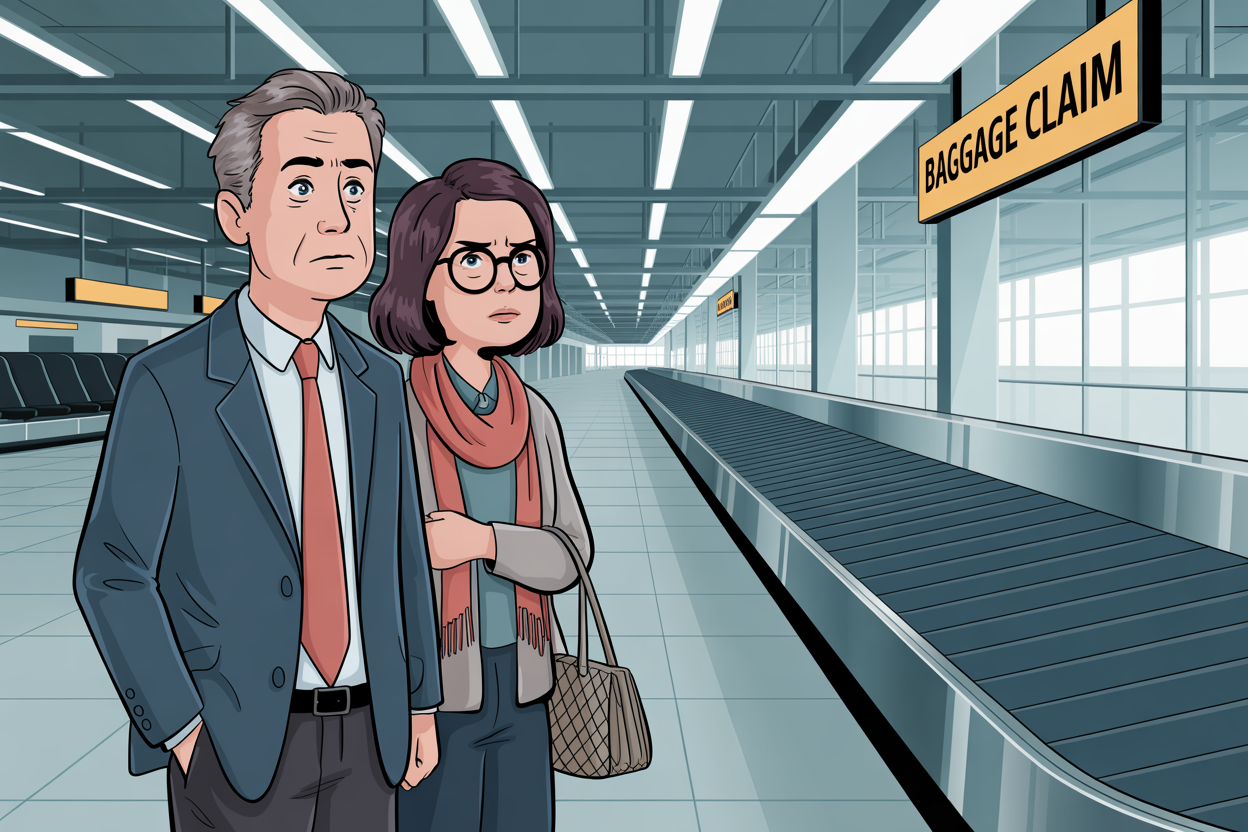
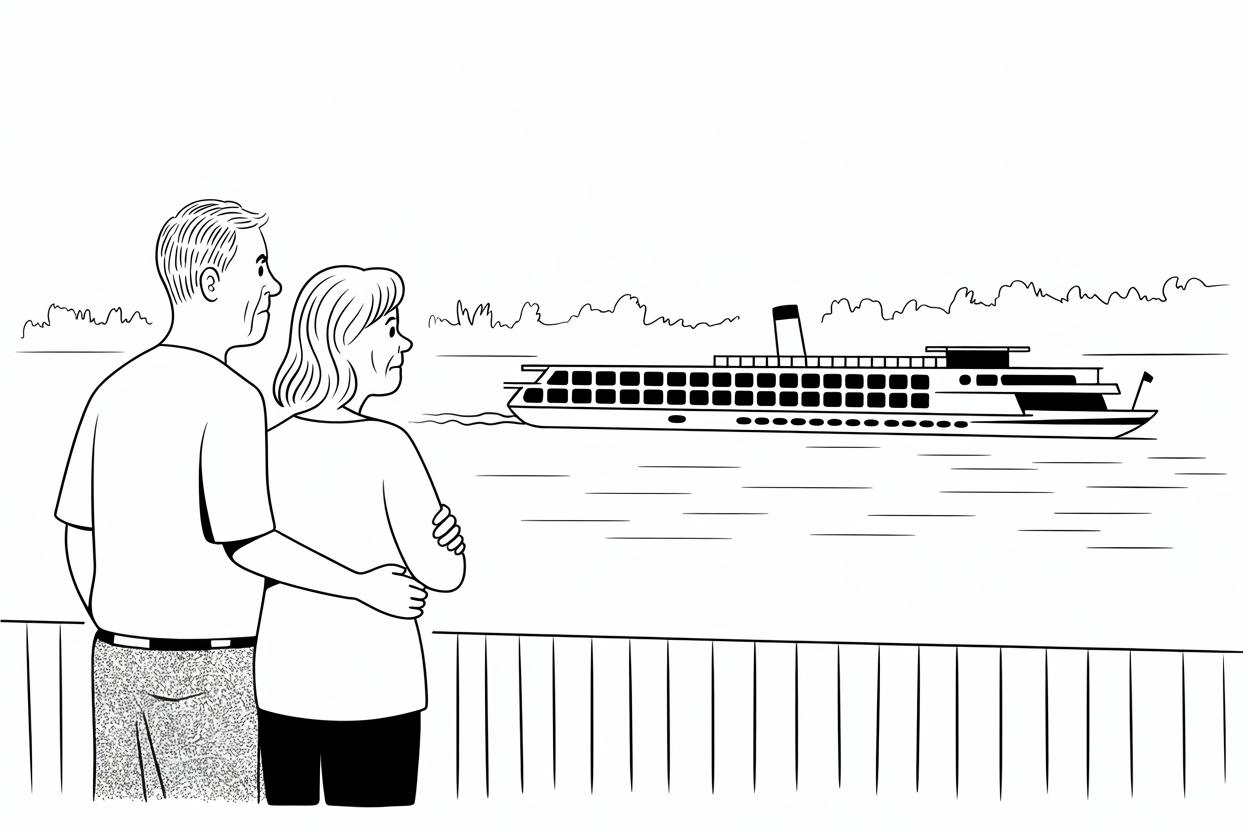
Fear of travel is running high this summer. A reader named Cindy Smith nearly canceled a Danube river cruise and a week in Croatia after reading headlines about a cruise hantavirus outbreak and crew arrests. She is not alone. In a recent Global Rescue survey, less than 1 percent of respondents said their concerns about personal safety abroad had eased since last year, while 56 percent said they felt more concerned. Travelers cite three recurring fears: airlines collapsing mid-trip, dangerous conditions abroad, and anti-American sentiment. Yet the major U.S. carriers such as Delta, United, American, and Southwest remain profitable, and a conflict on one side of a continent does not make the other side unsafe.
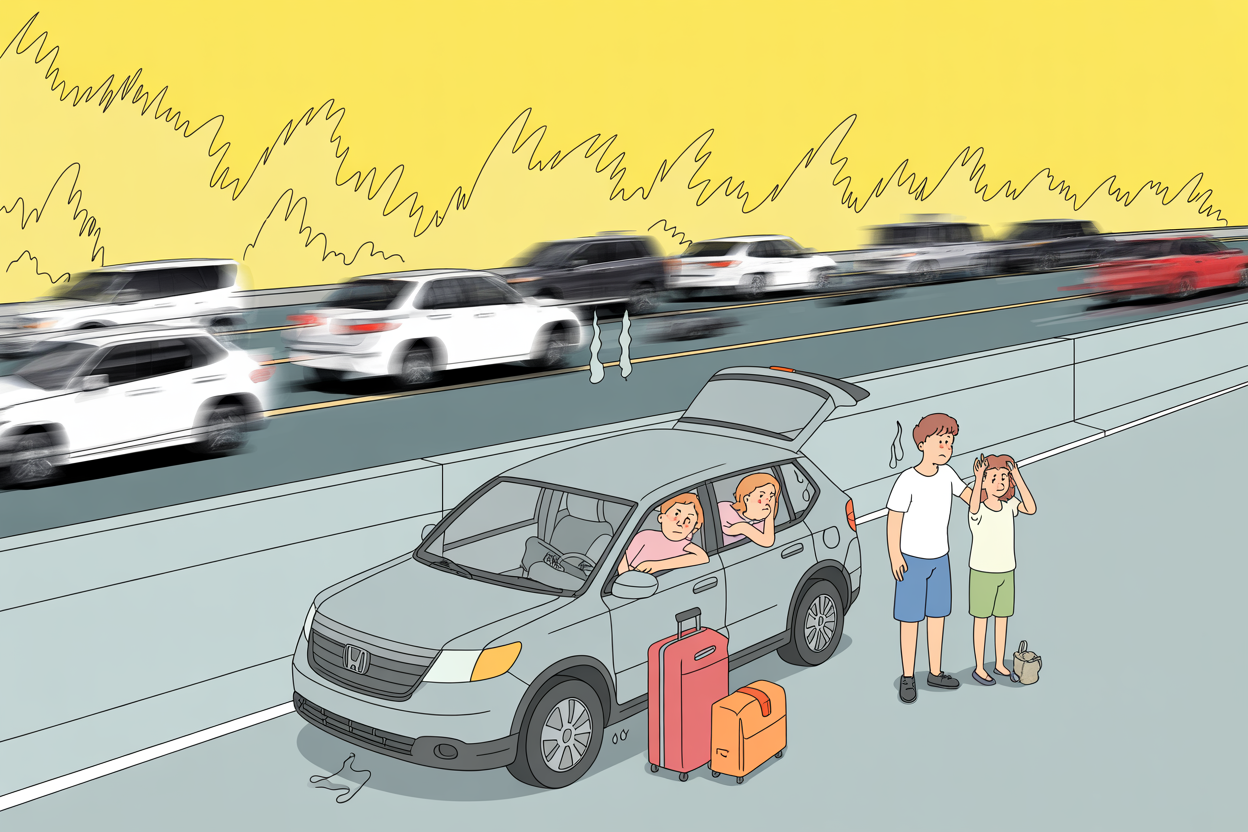

Editorial cartoon showing a stranded family of four standing next to a broken-down silver Honda SUV with steam rising from the hood and two orange suitcases by the open trunk, while traffic blurs past on a yellow-tinted highway under a sweltering yellow sky, illustrating the common summer road trip breakdown scenario between Memorial Day and Labor Day when heat stresses vehicle cooling systems, batteries, and tires

Summer road trip questions you never ask (but should)

Drivers face their 100 deadliest days between Memorial Day and Labor Day. Late August is one of the most common times for vehicle failures because cooling systems, batteries, tires, and belts have been stressed all season. Pavement temperatures can exceed 150 degrees Fahrenheit, hot enough to warp metal and disintegrate tires. Travel trailer blowouts are extremely common because many towable RVs use cheap tires with speed ratings of just 65 mph. 85 percent of drivers have roadside assistance, but only 18 percent actually use that coverage during a breakdown. Standard auto insurance does not cover mechanical breakdowns, and common towing mileage limits are as low as 15 miles before passengers pay out of pocket.

Editorial cartoon illustration of an exasperated young man with messy brown hair and large round glasses looking upward in defeat while surrounded by towering stacks of white paper documents piled high on both sides and in front of him, illustrating the frustration of repeatedly submitting the same documents to a travel insurance company that refuses to process the claim

Why is my insurance company asking for the same documents over and over and over?

John Christensen developed Deep Vein Thrombosis after his flight from Albuquerque to Auckland. He spent three days hospitalized in New Zealand and racked up $3,867 in medical bills before filing his Allianz Global Assistance travel insurance claim two weeks later. Five months passed while Allianz repeatedly asked for documents he had already submitted multiple times, with the claim status cycling back to “more information needed” without explanation. Most state insurance regulations require insurers to acknowledge claim receipt within 15 days and approve or deny within 30 to 45 days of receiving complete documentation. State insurance commissioners handle consumer complaints when insurers delay payment without specific explanation.

Editorial illustration of a couple standing on a dark airport tarmac with two orange roller suitcases, watching from a distance as a fiery orange and yellow explosion cloud rises into the blue sky beyond, with a small white airplane visible on the horizon, illustrating the uncertainty of booking summer vacation travel during an active geopolitical conflict in the Middle East

Is it safe to book a summer vacation yet?

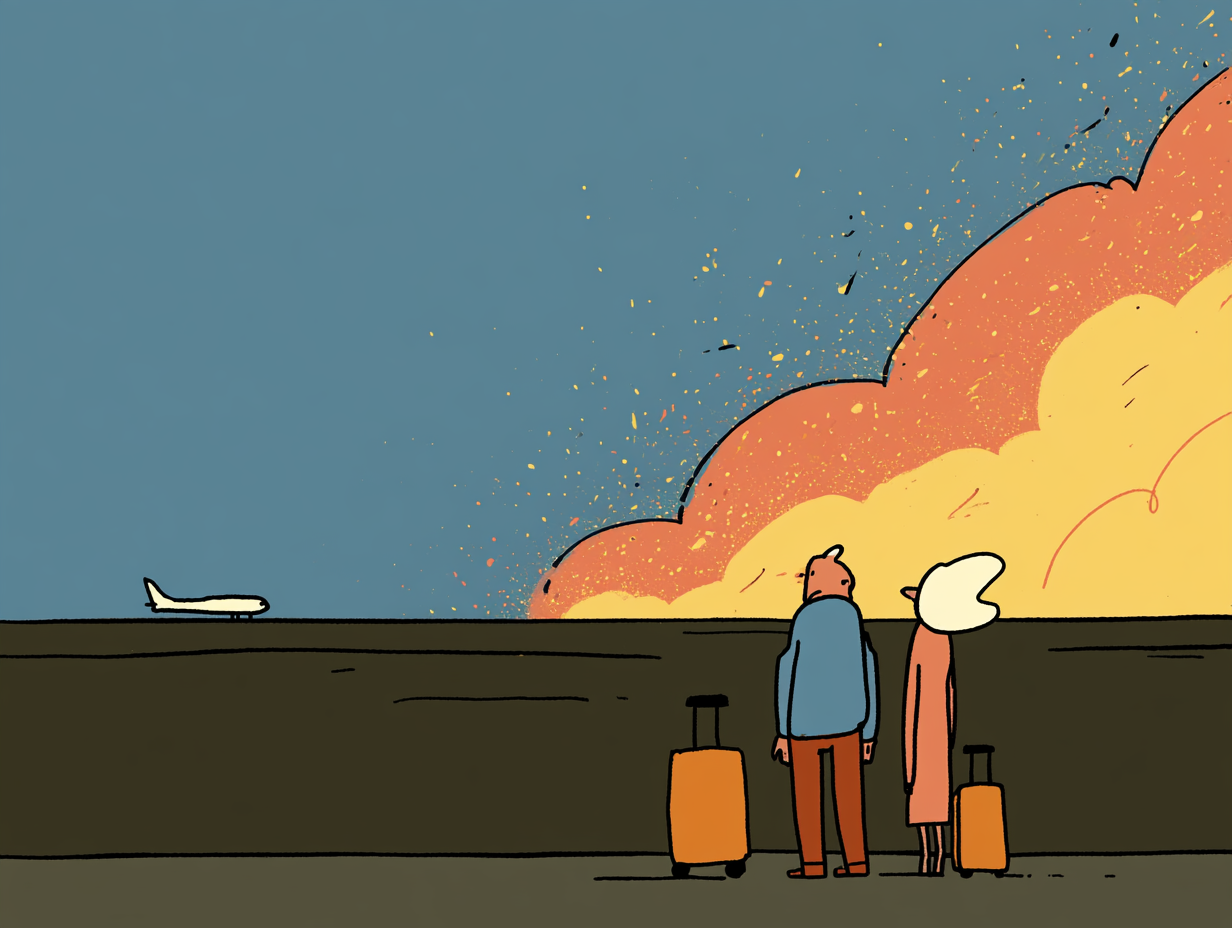
The U.S. and Iran are reportedly close to a deal that would end the war, lift sanctions, release frozen Iranian funds, and reopen the Strait of Hormuz. Travel companies say the worst is priced in. Airbnb expects second-quarter bookings to drop one percentage point across Europe, the Middle East, Africa, and Asia Pacific. Booking Holdings cut its full-year revenue forecast through June. Iranian lawmakers called the U.S. proposal a wish list. Before booking, check State Department advisories at Level 3 or Level 4, examine flight routes for airspace closures, buy cancel-for-any-reason insurance, and pay only with a credit card.

Editorial cartoon showing an anxious traveler in a blue polo shirt grimacing as he stuffs a large purple roller suitcase into an open green airport trash can, with empty seating areas and large glass windows visible in the background, illustrating the increasing trend of travelers abandoning their luggage at airports to avoid baggage fees

The great luggage abandonment: Why travelers are ditching their bags at the airport

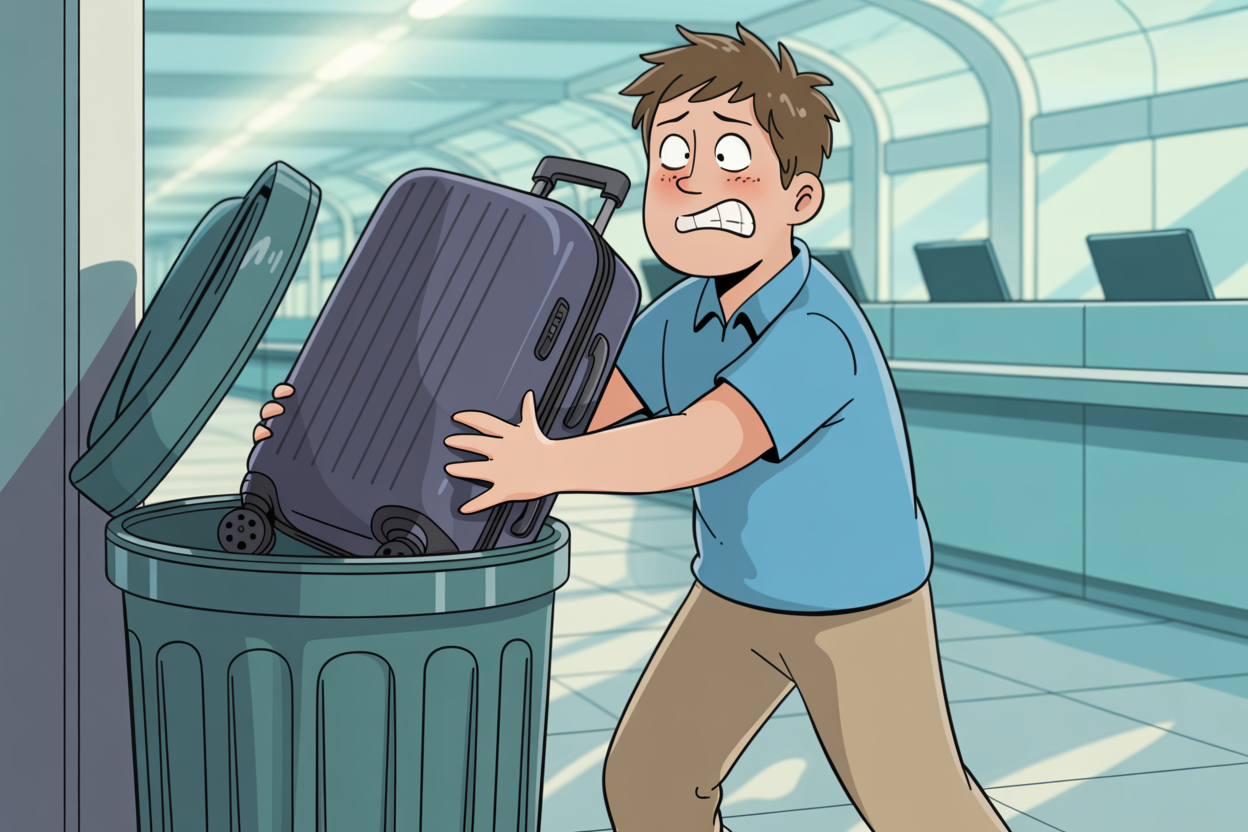
Travelers are increasingly abandoning their luggage at airports and hotels to avoid baggage fees that can exceed the value of the bags themselves. Hotels in Tokyo and Osaka now post warning signs about luggage abandonment fees while Narita Airport reportedly stores dozens of unclaimed bags daily. Kansai Airport in Osaka and Chubu Airport in Nagoya report similar pile-ups. Asian carriers known for strict baggage fee enforcement contribute to the trend, along with Japanese tourists buying cheap rolling luggage for shopping trips and abandoning it before flying home. Airports hold abandoned bags 30 to 90 days before disposal.

So long, Spirit Airlines. Should the government have saved you?

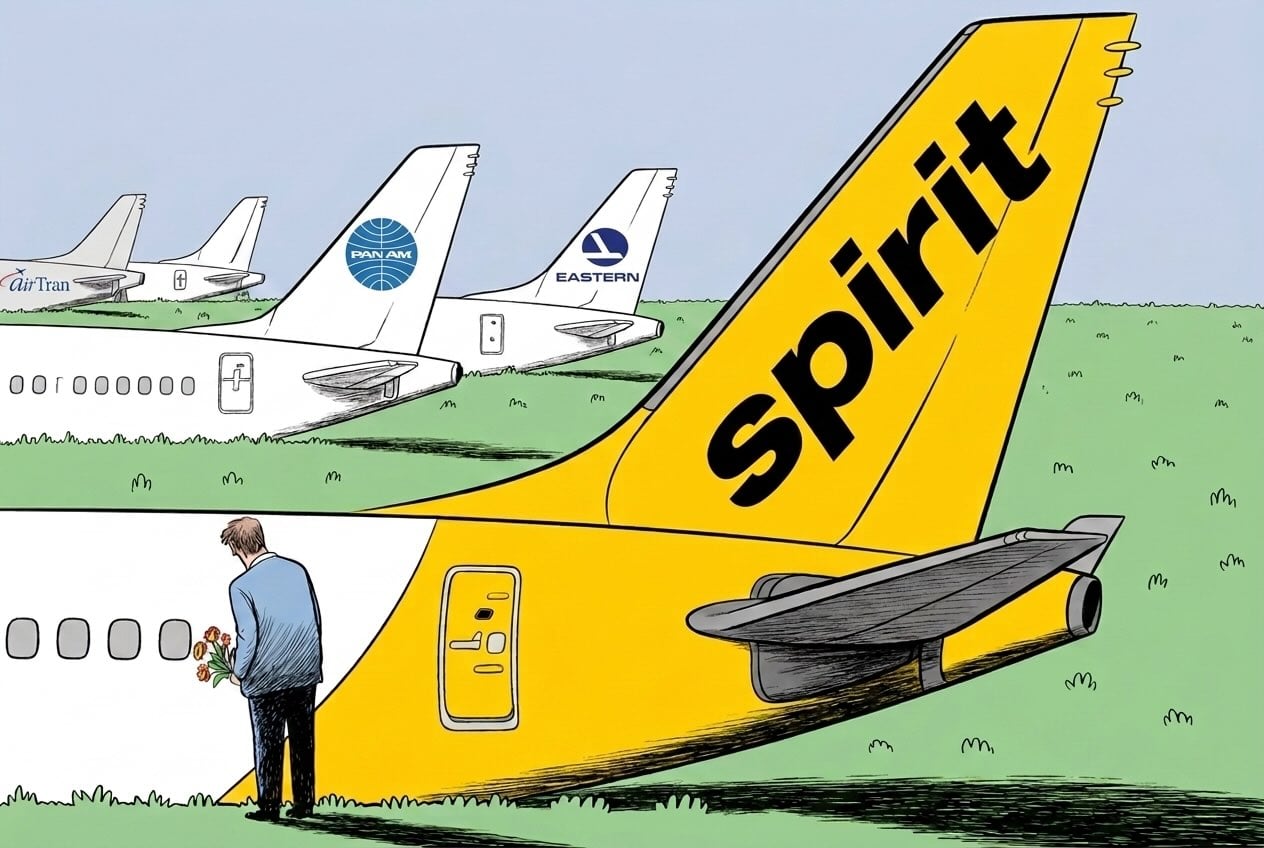
Spirit Airlines has begun an orderly wind-down of operations, effective immediately. Every flight has been canceled and customer service is closed. The shutdown comes after the Trump administration’s $500 million rescue plan, which would have given the federal government an unprecedented 90 percent stake in the carrier, fell apart over the weekend. After blocking Spirit’s merger with JetBlue on antitrust grounds in 2024, the federal government spent the past several days weighing whether to essentially own the airline instead. In the end, it did neither, leaving summer ticket holders to fight their credit card companies for refunds.

Editorial cartoon showing a confused customer holding out a credit card to a stern rental car counter agent who raises her hand to refuse it, with parked cars visible through the window in the background, depicting how Europcar agents pressure customers into buying duplicate insurance and refuse third-party coverage

Hotels.com and Europcar charged me twice for a one-way rental. Can I get my money back?

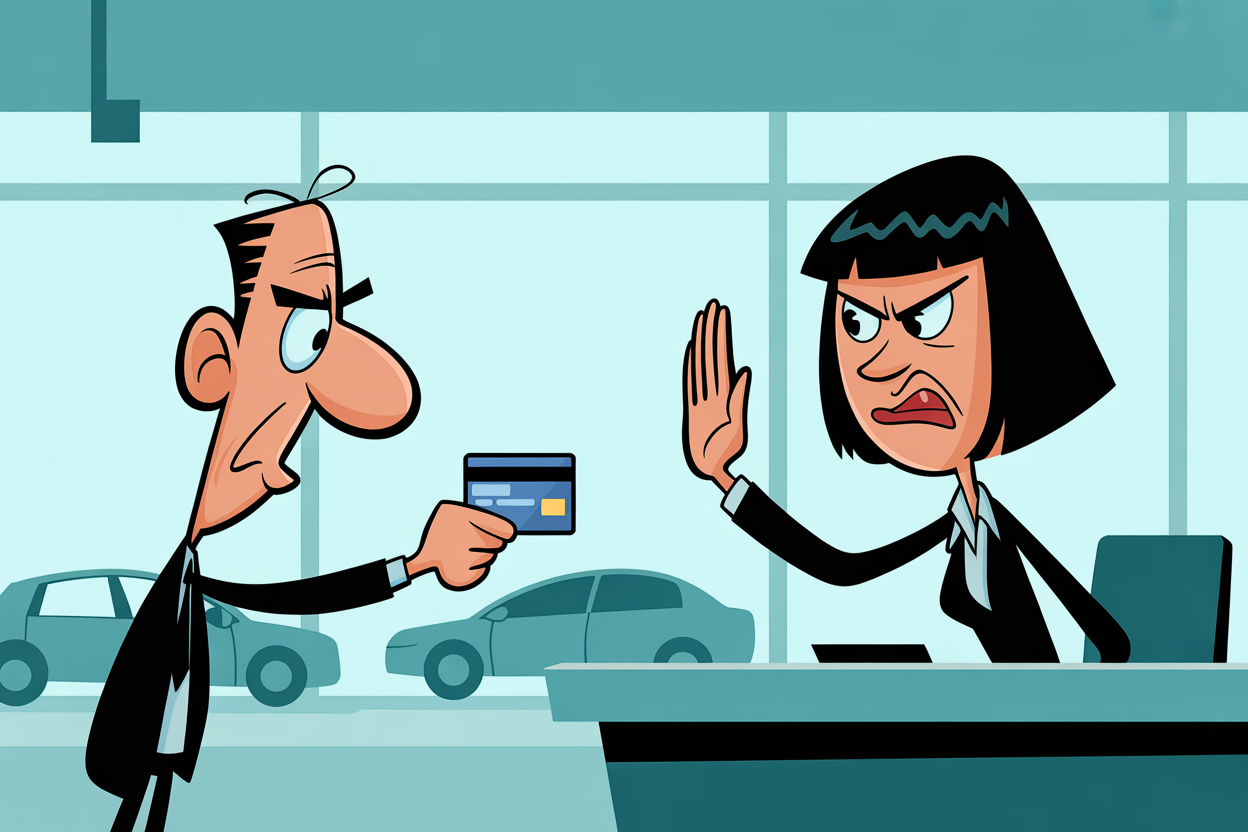
Lawrence Signori prepaid Hotels.com $338 for a one-way Europcar rental in Porto, Portugal, with the one-way fee clearly included in his reservation. At pickup, the Europcar counter agent added $155 for the one-way fee, $155 for mandatory Premium Protection insurance, and a $97 Premium Station Surcharge despite his airport reservation. Europcar claimed only $243 of the prepayment was applied to the rental, with the rest going to Hotels.com as commission. Hotels.com initially provided only vague responses about the duplicate charges totaling $407.

Illustration showing frustrated business class passengers standing next to their luggage while an Aer Lingus airplane flies away in the background, depicting the airline's failure to load priority-tagged baggage onto multiple consecutive flights despite tracking confirmation

Business class baggage disaster! Why is Aer Lingus ghosting us?

Aer Lingus failed to load business class passengers’ priority-tagged luggage onto four consecutive flights despite AirTag tracking showing exact airport locations. The airline then promised $265 baggage delay reimbursement in writing but ghosted the couple for six months before declaring their case closed without payment. Under the Montreal Convention, airlines are liable for baggage delays on international flights and must compensate passengers for reasonable replacement expenses.