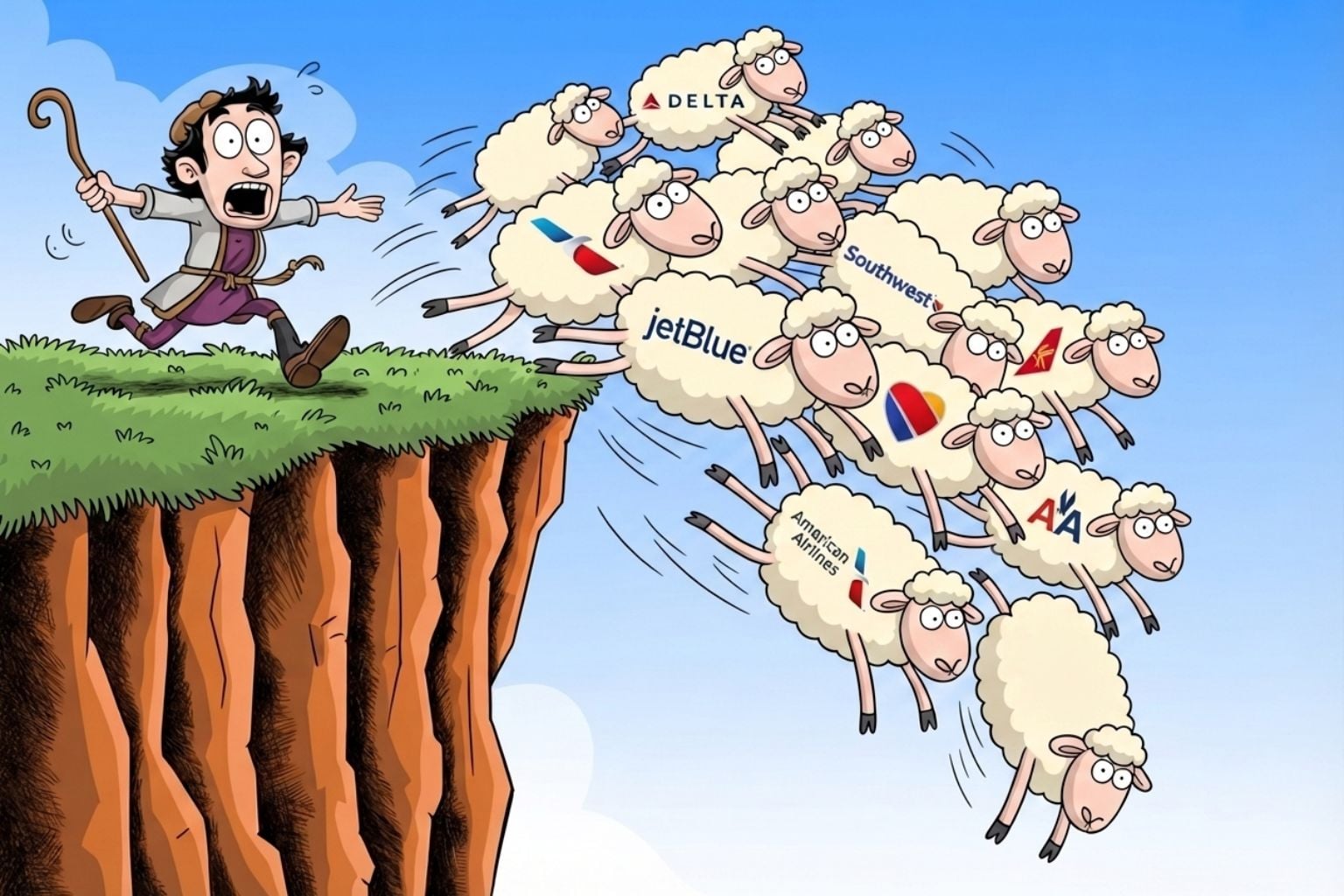
Air travelers deserve stronger consumer protections—in Europe and the U.S.
Mila Schoun knew what his downgrade was worth, but his airline pretended it did not. Schoun and his wife had paid Swiss International Air Lines for premium economy on a flight from Prague to Miami, and then the airline changed aircraft and put them in regular economy for the 10-hour crossing. He asked for the difference back. Swiss refused. What Schoun had on his side, even if he had never heard of it, was EC 261, a 21-year-old European regulation that makes airlines pay when they cancel, bump, strand, or downgrade you, and that quietly protects millions of Americans on any flight leaving an EU airport. Europe just spent the spring fighting over whether to gut that law, with the airline lobby pushing to raise the delay threshold and erase most claims. Passengers appear to have dodged the worst of it. But there is a quieter problem that no one in Brussels lobbied for and no one fought against, one that has been draining the value out of this protection for two decades while everyone argued about something else.