
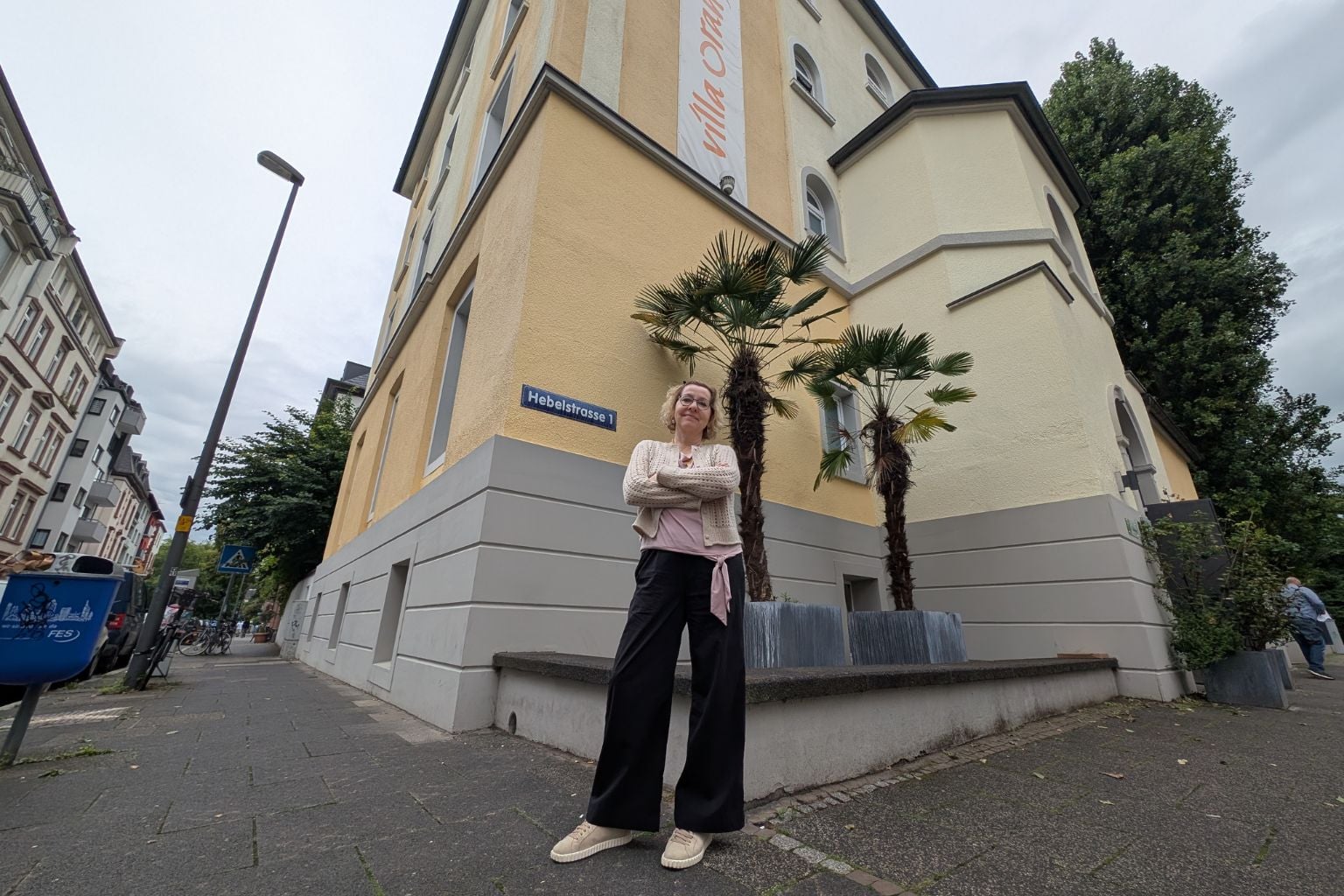
The German hotel that banned Nutella — and what it reveals about green travel’s biggest problem
If you’re a guest at the Villa Orange in Frankfurt, Germany, you may have one question at breakfast: “Where’s the Nutella?”
If you’re a guest at the Villa Orange in Frankfurt, Germany, you may have one question at breakfast: “Where’s the Nutella?”
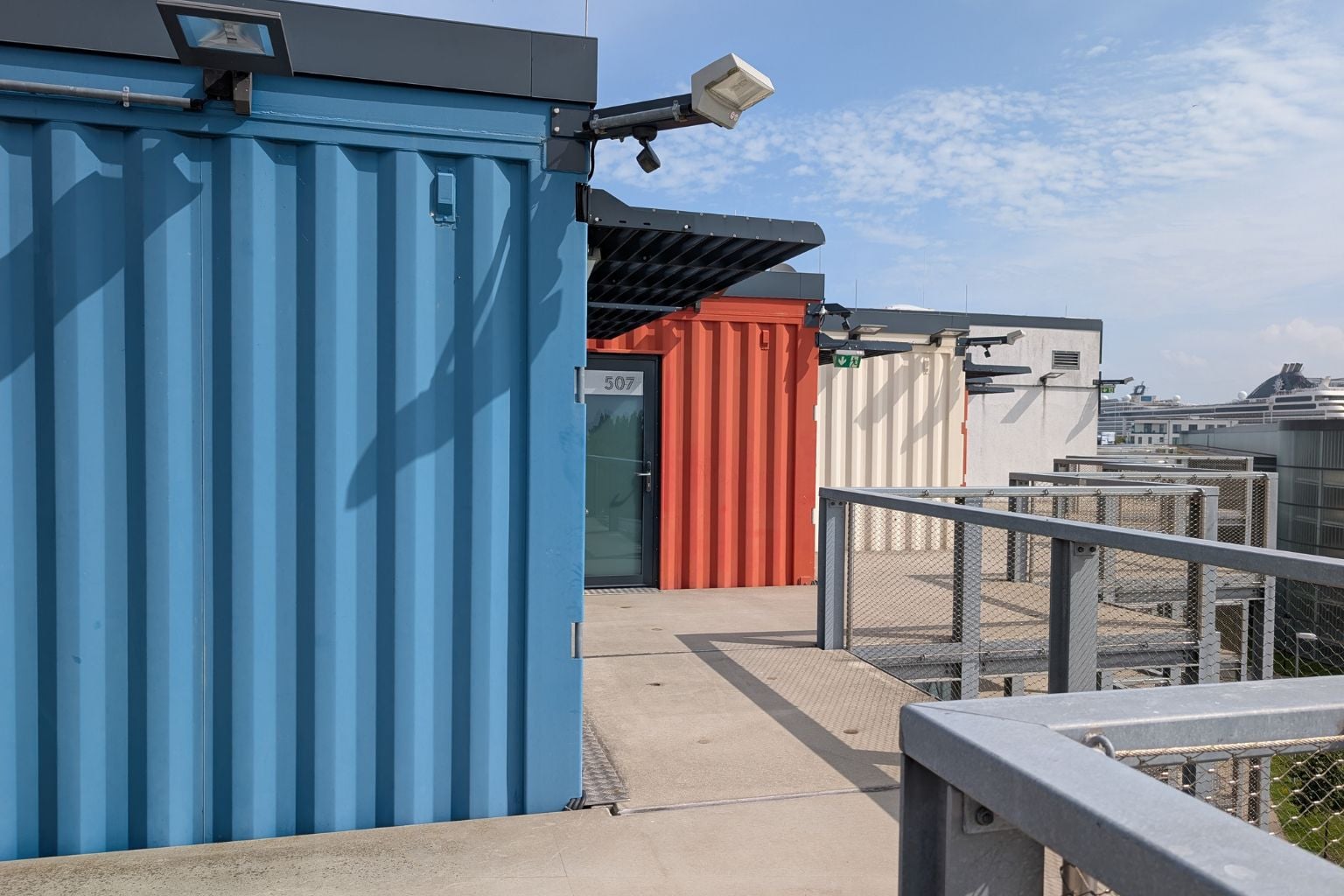
From the top floor of Dock Inn, a hotel made of shipping containers with a commanding view of the harbor and dockyards, you might see a ferry bound for Sweden sliding silently by in the distance. Beyond it, there are the dense forests of the Steilküste, a coastline with steep cliffs plunging into a cold sea.
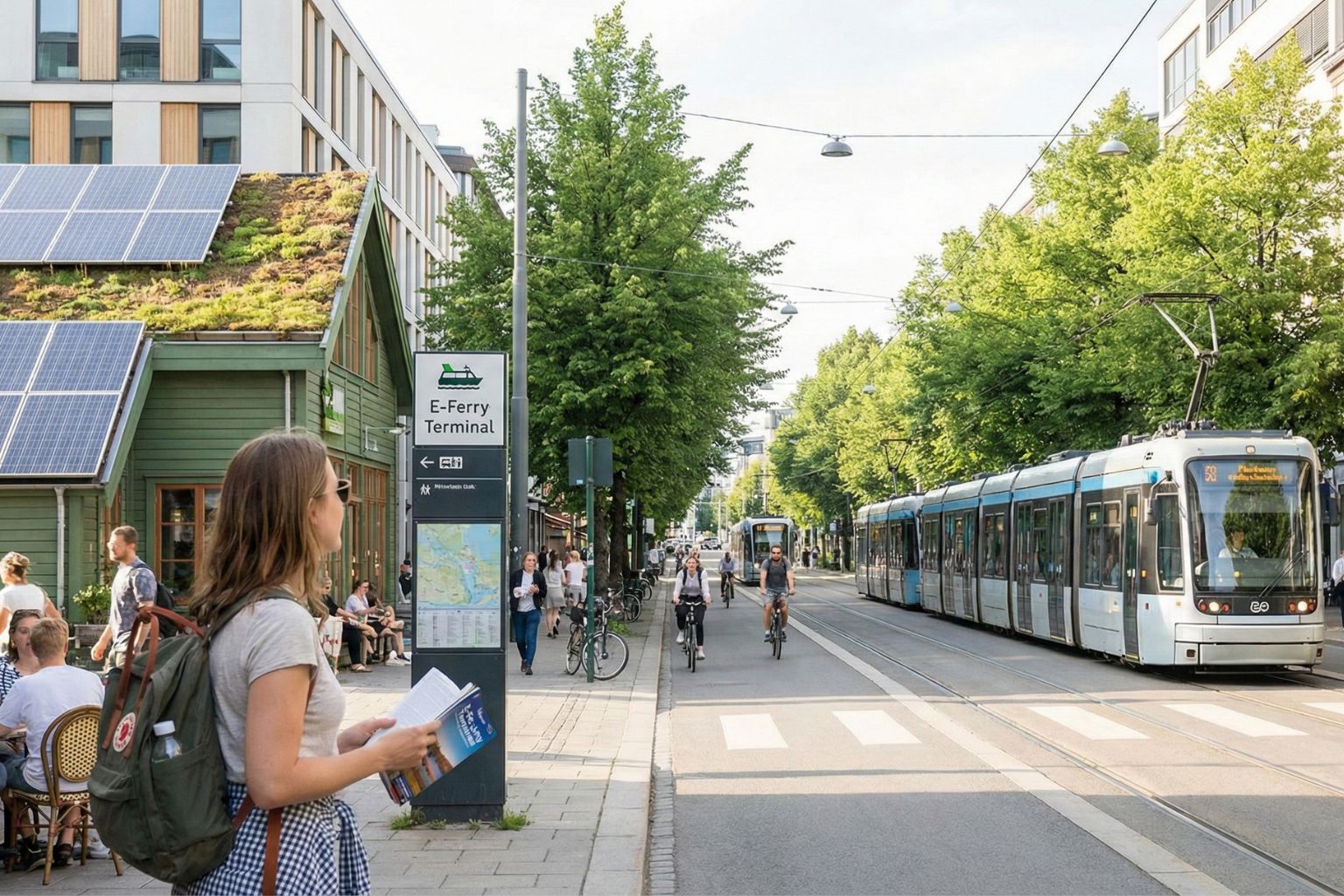
When Daniel Anderson stepped off an electric ferry in Oslo, he braced for the usual urban cacophony. It never came.
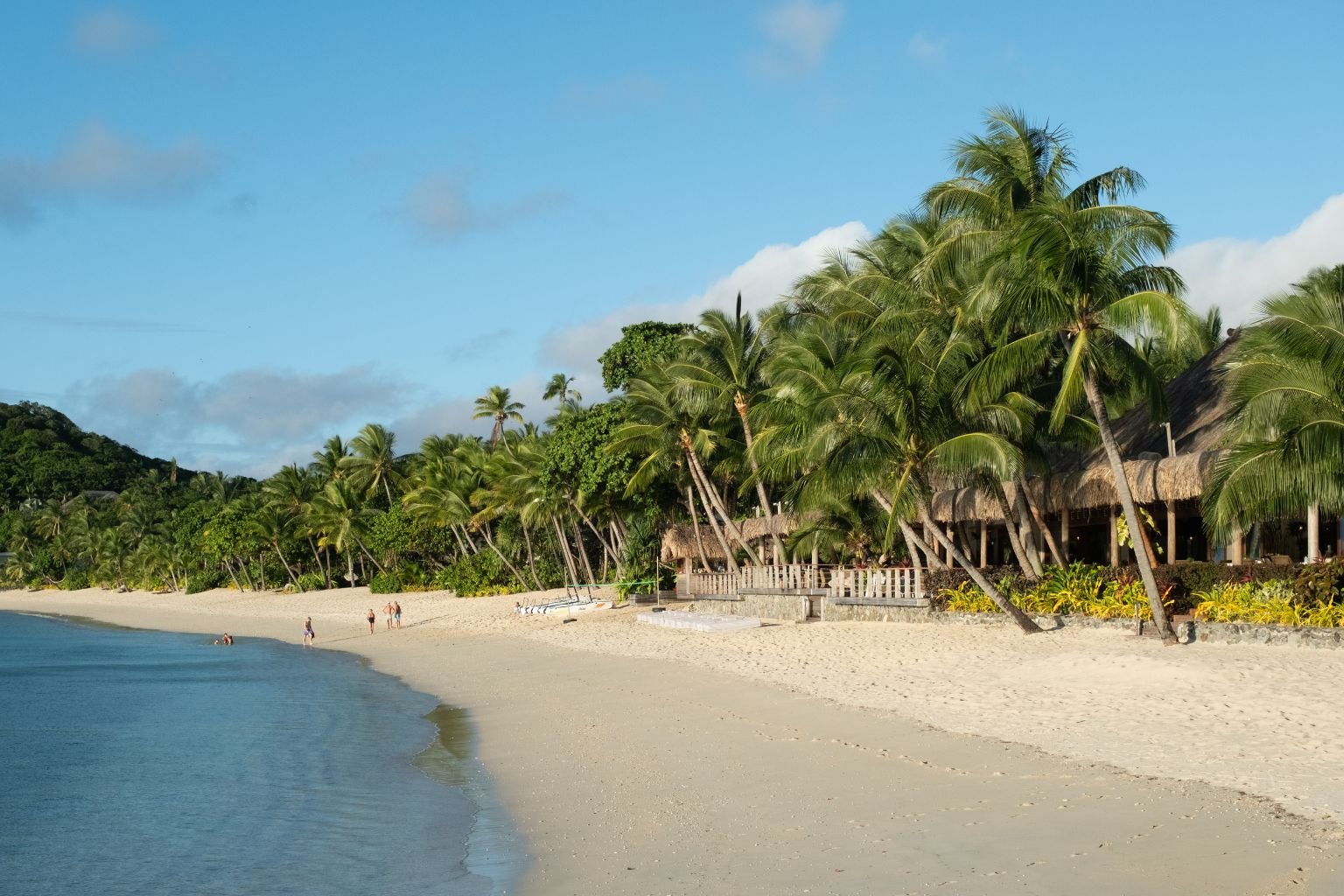
To see Kokomo’s Christmas trees, you have to dive into the South Pacific.
These trees aren’t decorated with tinsel or lights. They’re rebar skeletons suspended in the gentle currents of the Great Astrolabe Reef, covered in fragments of living coral.
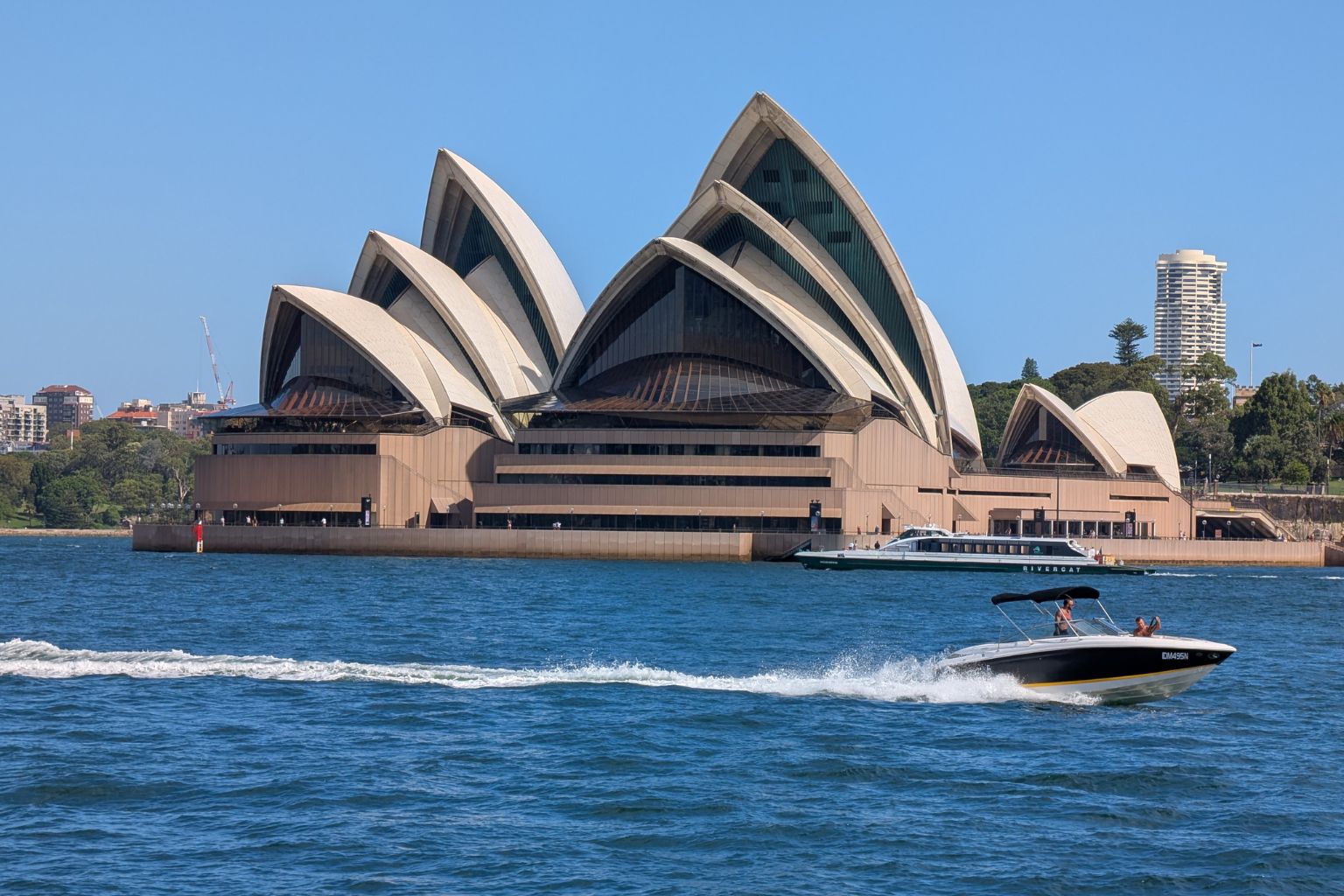
The Sydney Opera House is more than just an architectural marvel. It’s more than the gleaming white sails that grace postcards, Instagram feeds, and travel documentaries. It’s more than the iconic backdrop to Australia’s New Year’s Eve fireworks.

Can an airport be sustainable? Before you answer that question, step outside any terminal and catch a whiff of burning jet fuel — a searing, earthy odor that reminds you air travel is one of the most carbon-intensive industries on the planet.

The Biostadt Schmilka, a sustainable resort on the bank of the Elbe river near the Czech border, looks like every other German village. There’s a Gasthaus and homes with immaculate gardens and fruit trees, and the river with colorful kayaks floating downstream.