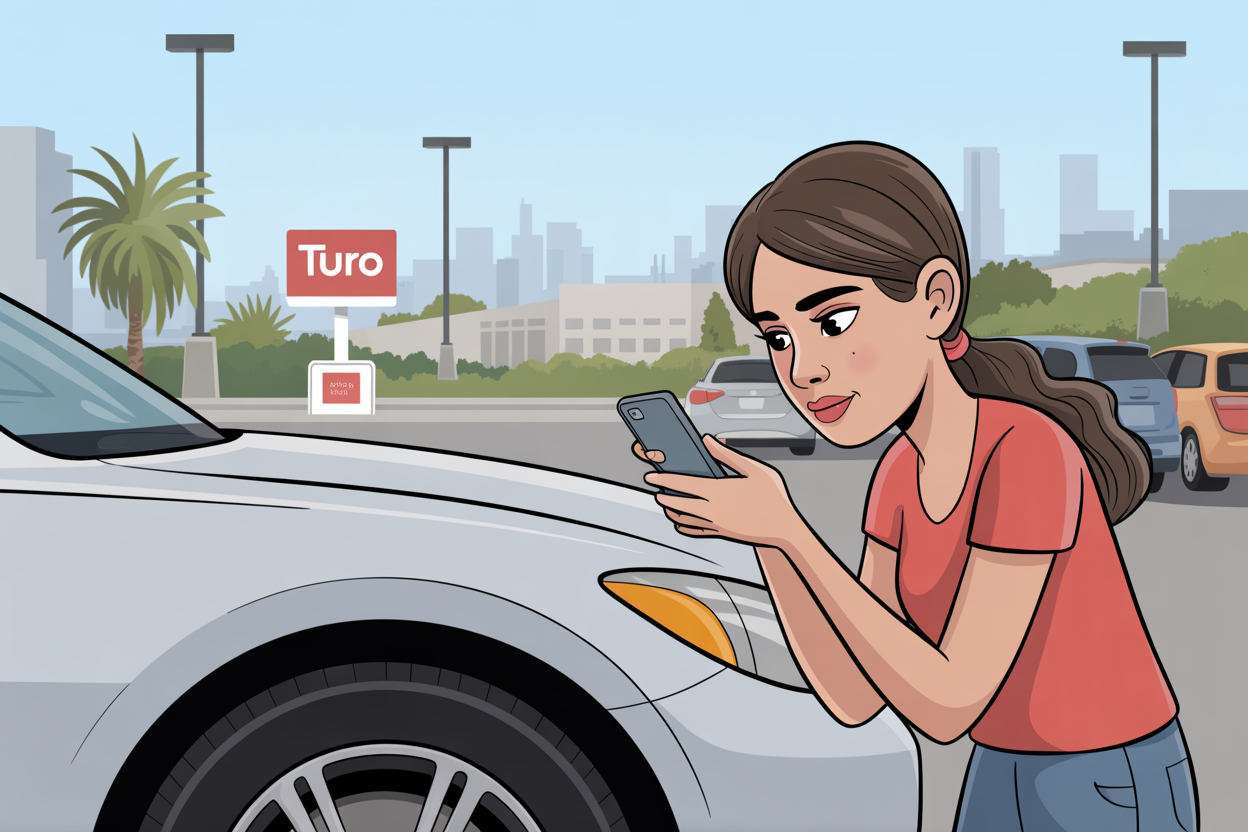
Cartoon of a woman photographing the front of a rental car with her phone in a parking lot, a Turo sign behind her.

Turo charged me $2,338 for damage I didn’t cause. Can I get a refund?

Georgina Montalvan rented a car through Turo in Los Angeles and dropped it off a day early so she could catch an earlier flight home. The next day a text arrived: the owner said she had damaged it. Turo sent photos showing a scratch on the fender and a small hole in the bumper. But Montalvan had done the one thing that should end an argument like this. She had photographed the car when she picked it up, and her pictures showed the scratch was already there. She sent them in, Turo reviewed the evidence, and the claim was dropped as normal wear and tear. That should have been the end of it. A week later Turo reopened the claim and charged her credit card $660, with no itemized bill. Then came a second invoice, this one for $1,678, for what the company described as hidden damage, illustrated with a photo of a larger hole she says she had never laid eyes on.
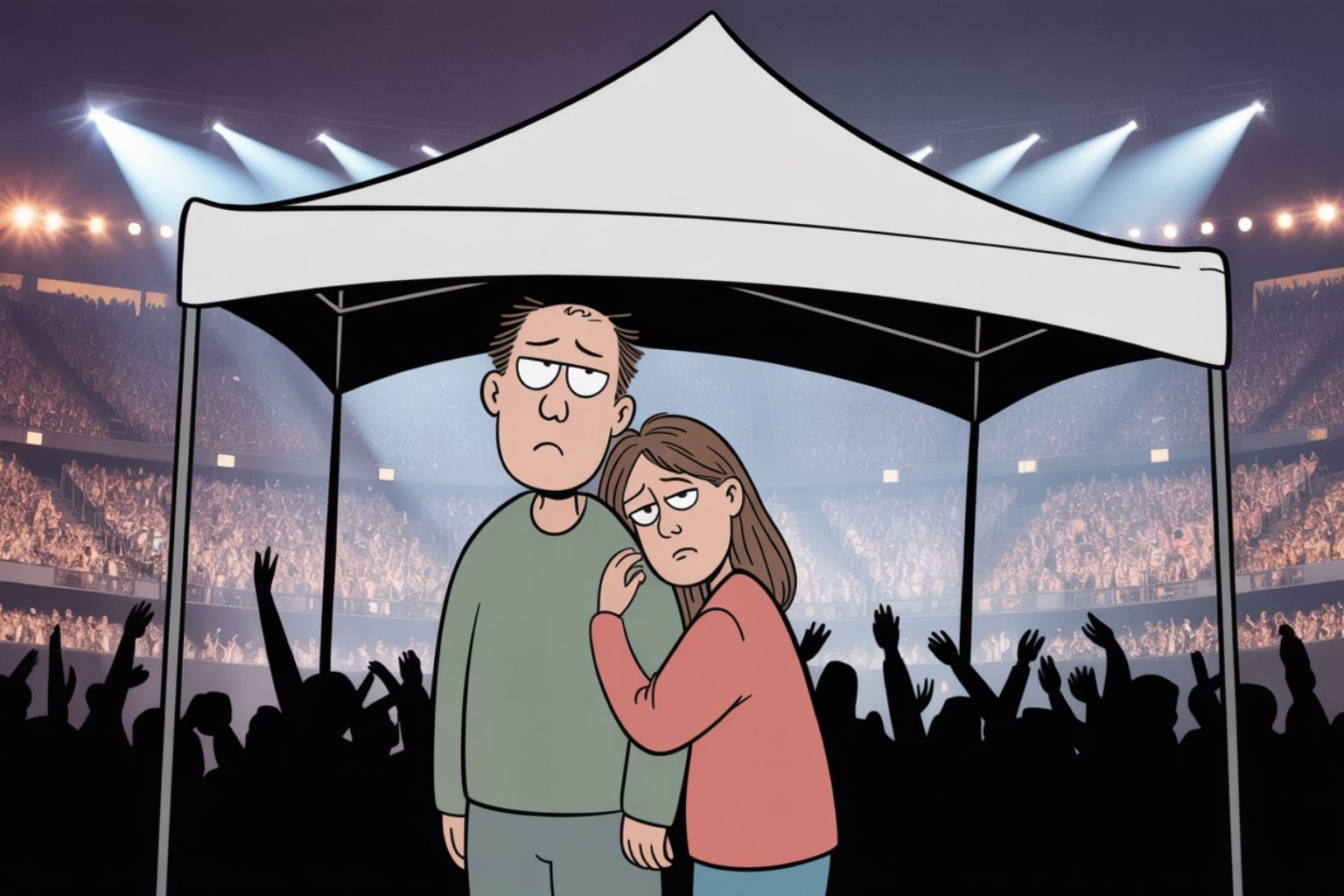
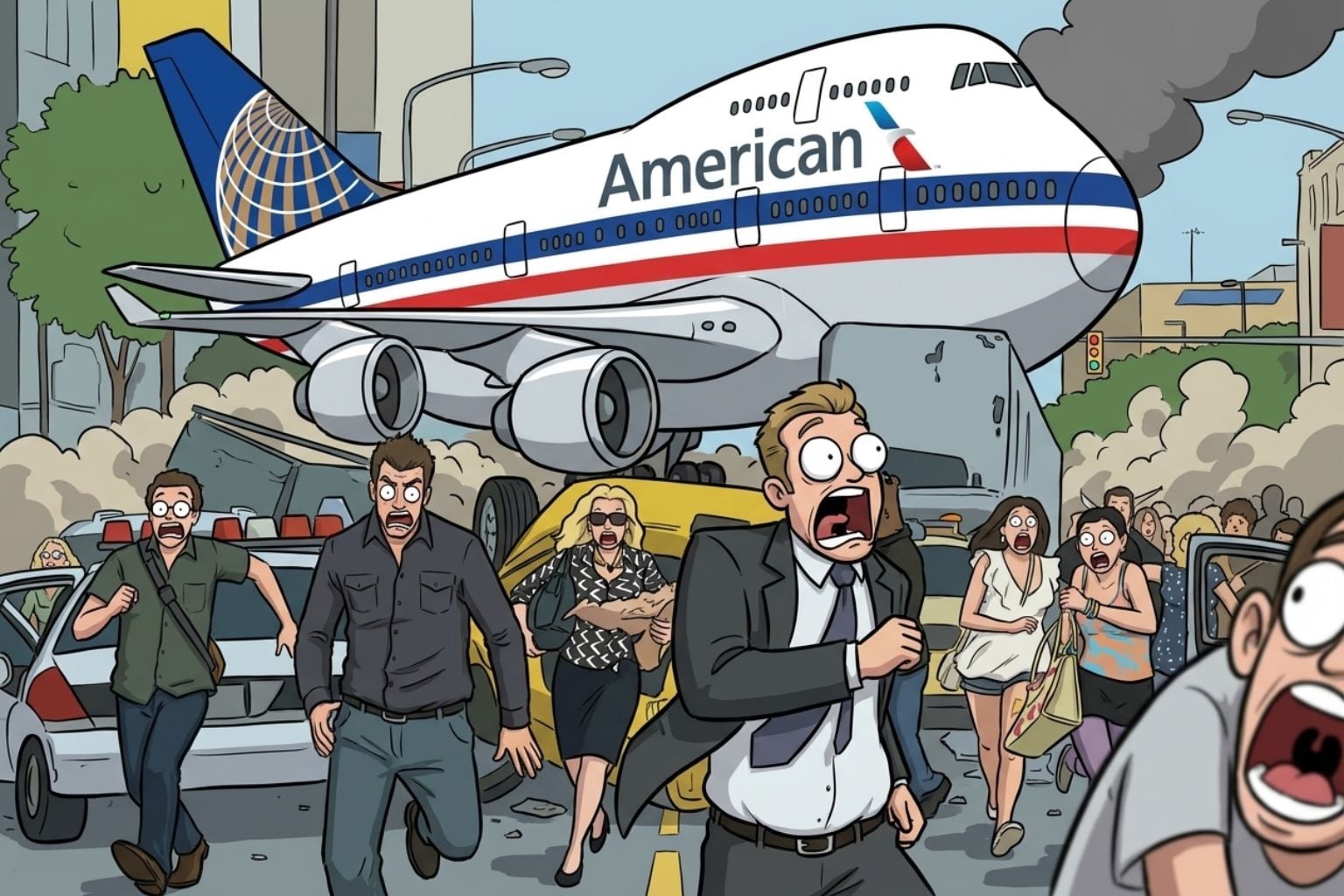
Illustration showing a frustrated couple standing under a large white VIP tent at a concert venue, with the tent blocking their view of the illuminated stage and crowd in the background, depicting how Ticketmaster sold premium second-row seats without disclosing the view obstruction

Ticketmaster sold me “great seats” that turned out to be obstructed. Where’s my refund?

Vincent Manierre paid $475 each for second-row Oasis concert tickets at the Rose Bowl, expecting a clear stage view. A VIP tent blocked one-third of the stage. The tickets were not labeled obstructed view despite Ticketmaster’s stated policy requiring such disclosure. Ticketmaster refused a refund, claiming the event organizer controls refunds but would not reveal who that organizer is. Under Federal Trade Commission rules, selling tickets without disclosing obstructions when company policy promises such labeling can constitute deceptive trade practices.

Editorial cartoon illustration of shocked and panicked travelers running away from an enormous airplane featuring both American Airlines red-white-blue livery and United Airlines globe logo, symbolizing consumer anxiety about the proposed United-American Airlines merger that would control 40% of the U.S. market

Should we allow United and American to merge?

The United Airlines–American Airlines merger everyone feared may actually be happening.

United Airlines CEO Scott Kirby reportedly met with administration officials at the White House in February to float an audacious proposal: a combination with American Airlines.