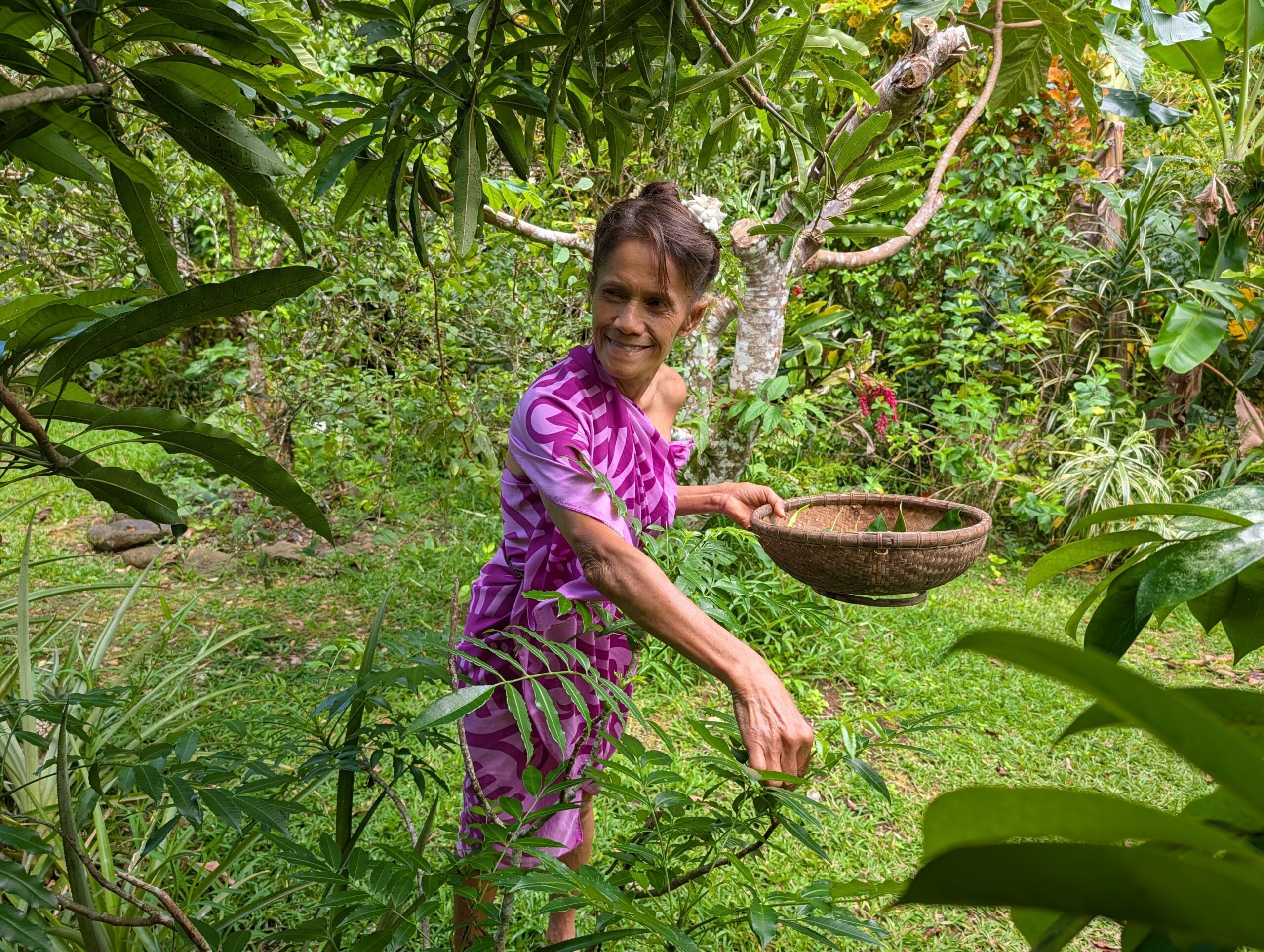
Vicky Tohopu, owner of NIU Shack in Raiatea, collects herbs for her vegan lunch

On Tahiti’s outer islands, time is the ultimate luxury

Vicky Tohopu’s quiche defies French tradition. She binds it not with butter and flour but with a grated breadfruit shell harvested steps from her open-air kitchen, filled with coconut, basil, and lime pulled from the valley’s volcanic soil. Under the table, a puppy named Cleopatra chews on a guest’s slipper. Everything here is vegan, and everything is worlds away from the manicured overwater-bungalow fantasy of French Polynesia. This is Raiatea, one of Tahiti’s outer islands, where Tohopu built a mountain refuge to survive after doctors gave her two months to live fifteen years ago. She unplugged from the grid, installed solar panels, pumped water from the river, and healed herself through a radical return to nature. A short ferry away on Huahine, a vanilla farmer works only half a day because the bean refuses to be rushed, and fishermen still let centuries-old stone traps and the tide bring in dinner. On these islands, sustainability is not a slogan but a rhythm, and the currency that buys paradise is one most travelers have forgotten how to spend.

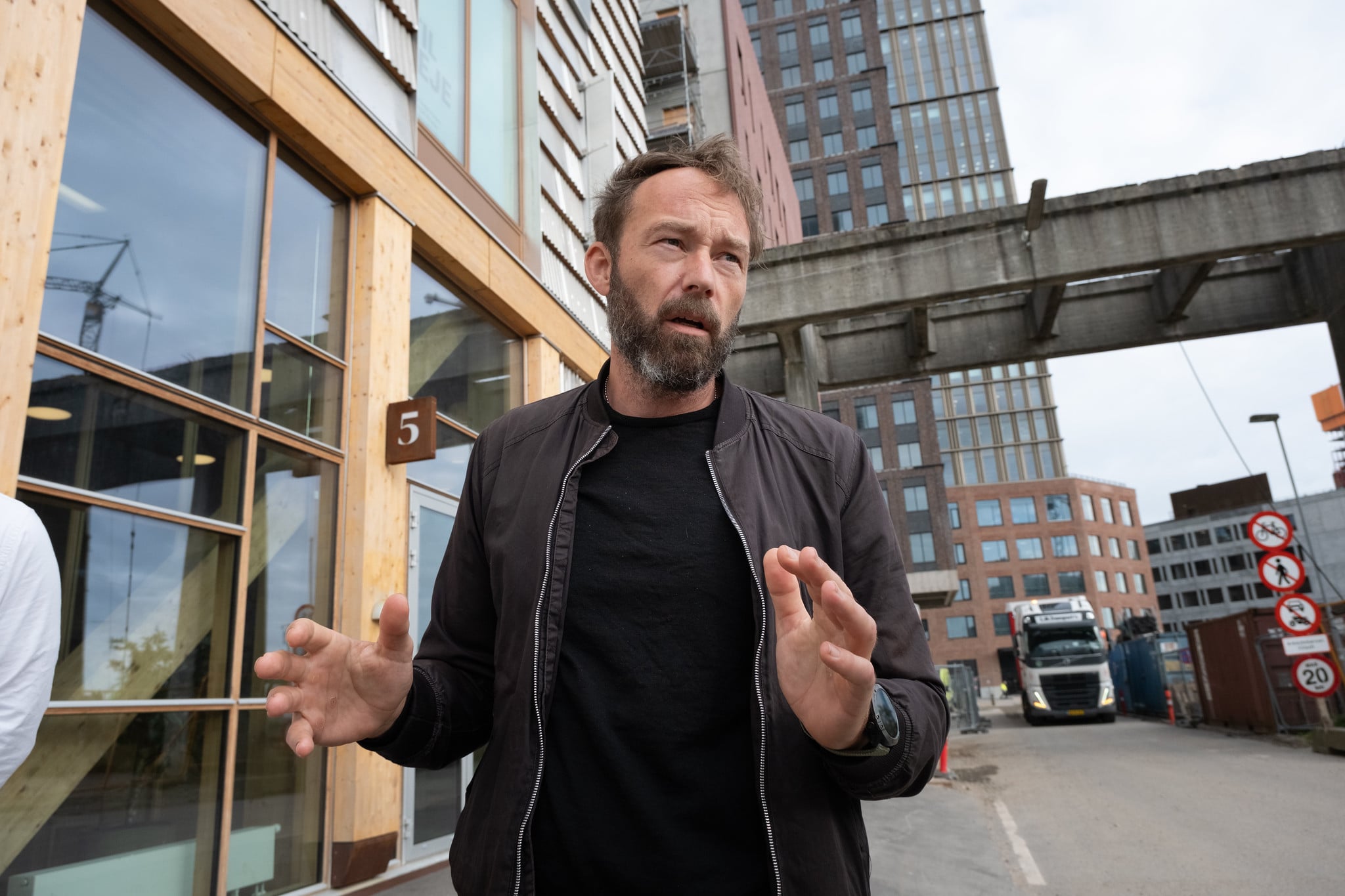
Architect Anders Lendager with a graying beard and dark bomber jacket gesturing with both hands as he speaks in front of his timber-clad TRÆ office building in the Sydhavnen port district of Aarhus, Denmark, with the wooden facade and large windows visible on the left and modern high-rise buildings, a construction crane, and a freight truck in the background under an overcast sky

Wooden skyscrapers, next-level recycling: How Aarhus wants to become one of the most sustainable cities in the world

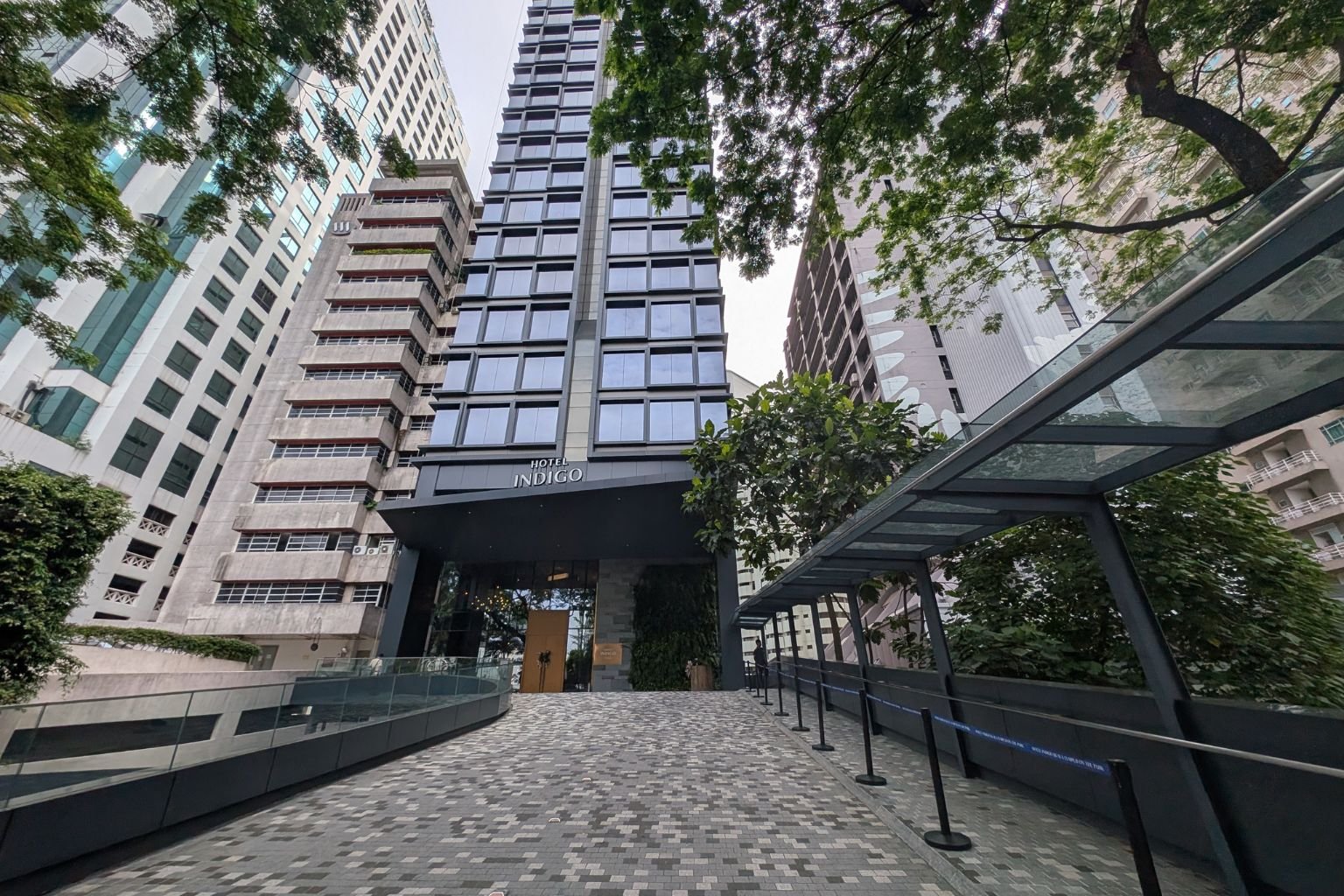
Aarhus is often described as Denmark’s second city, but it is quietly trying to become something more difficult to define. Behind its cafés, port cranes, hotels and waterfront developments is a city testing how far sustainability can be pushed into ordinary urban life. Its energy system has already moved away from coal, its heating network is being reshaped by geothermal plans, and even its waste, cruise terminals and new buildings tell a larger story about how climate ambition works when it leaves policy documents and enters daily infrastructure. From the Port of Aarhus to the Sydhavnen district, from Randers’ rainwater systems to ecolabelled hotels and low-impact stays near Mols Bjerge National Park, the region offers a closer look at what a greener city can become when design, energy, tourism and waste management all start moving in the same direction.