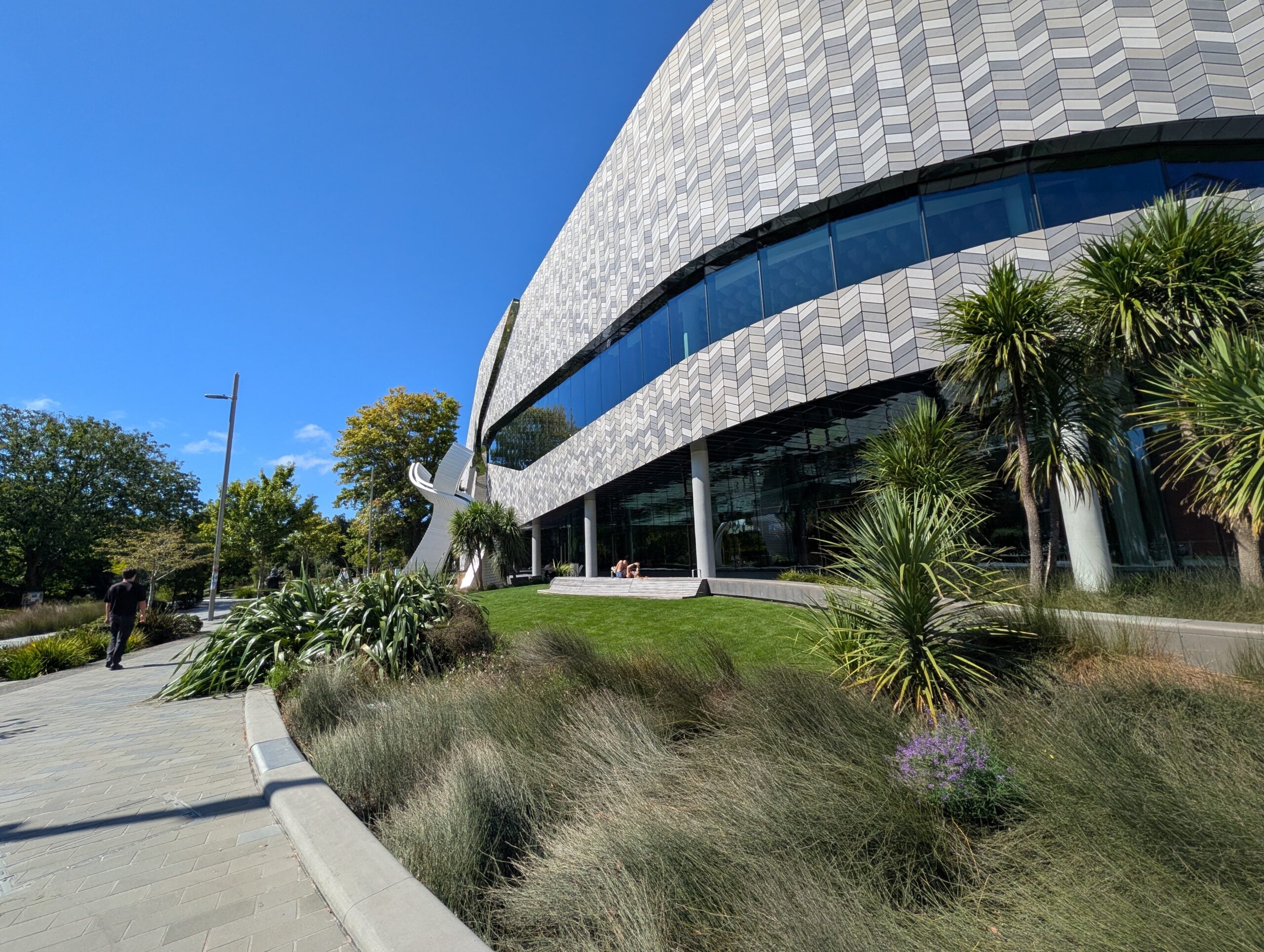
Te Pae Christchurch, the city's new carbon zero certified convention center.

From earthquake rubble to carbon zero: Here’s how Christchurch is building a greener city

To understand how Te Pae Christchurch became a carbon zero certified convention center, you need to meet Oscar. He is about the size of a commercial dryer, but instead of laundry he dries hundreds of pounds of food waste, heating, mixing, and shredding scraps across a 30-hour cycle until what comes out looks like coffee grounds. Oscar lives in the back of house, a rugged gray box with a heavy lid and caution stickers, entirely indifferent to the awards the building collects. He is also a fair symbol of the city above him. The earthquakes of 2010 and 2011 took roughly a third of Christchurch’s buildings, and what rose in their place was designed to a different standard: a compact center built for walking and biking, a library designed around energy, a former residential red zone turning into wetlands and native forest, an airport that has spent two decades cutting its own emissions. Most of it happens where no visitor will ever see it, which raises a question worth asking about the whole idea of green travel.
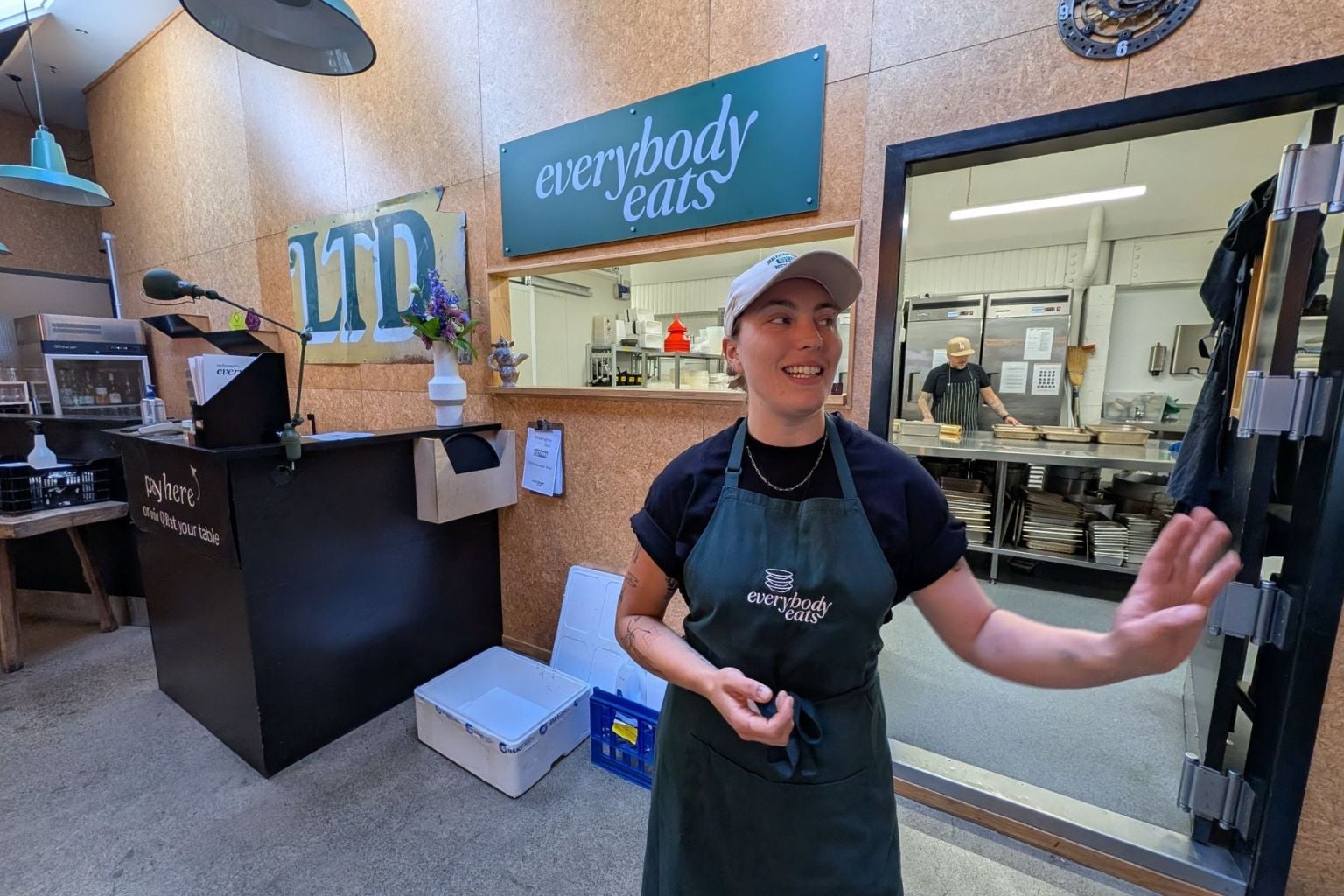
Harri Fletcher, the head chef at Everybody Eats in Wellington, New Zealand.

Can Wellington become the world’s first zero-waste capital?

Inside a busy kitchen on Dixon Street, the head chef at Everybody Eats is turning what most restaurants throw away into three-course meals. It is one corner of a much larger experiment: Wellington, New Zealand’s capital, is trying to become the world’s first zero-waste capital, and it is doing it so quietly that most visitors never notice. To arrive here now is to step into a living laboratory for sustainable travel, a place where being green means cutting waste, saving energy, and lowering emissions, often entirely behind the scenes. A pay-as-you-can restaurant where a homeless guest might share a table with the prime minister. Hotels that have swapped single-use plastics for refills. A community hub built around repair and reuse, and a national museum that folds zero-waste principles into everything it does. The city is betting that a greener way to travel can feel less like a sacrifice and more like simply walking its compact, cafe-lined streets, and that visitors who show up are part of proving it can work.

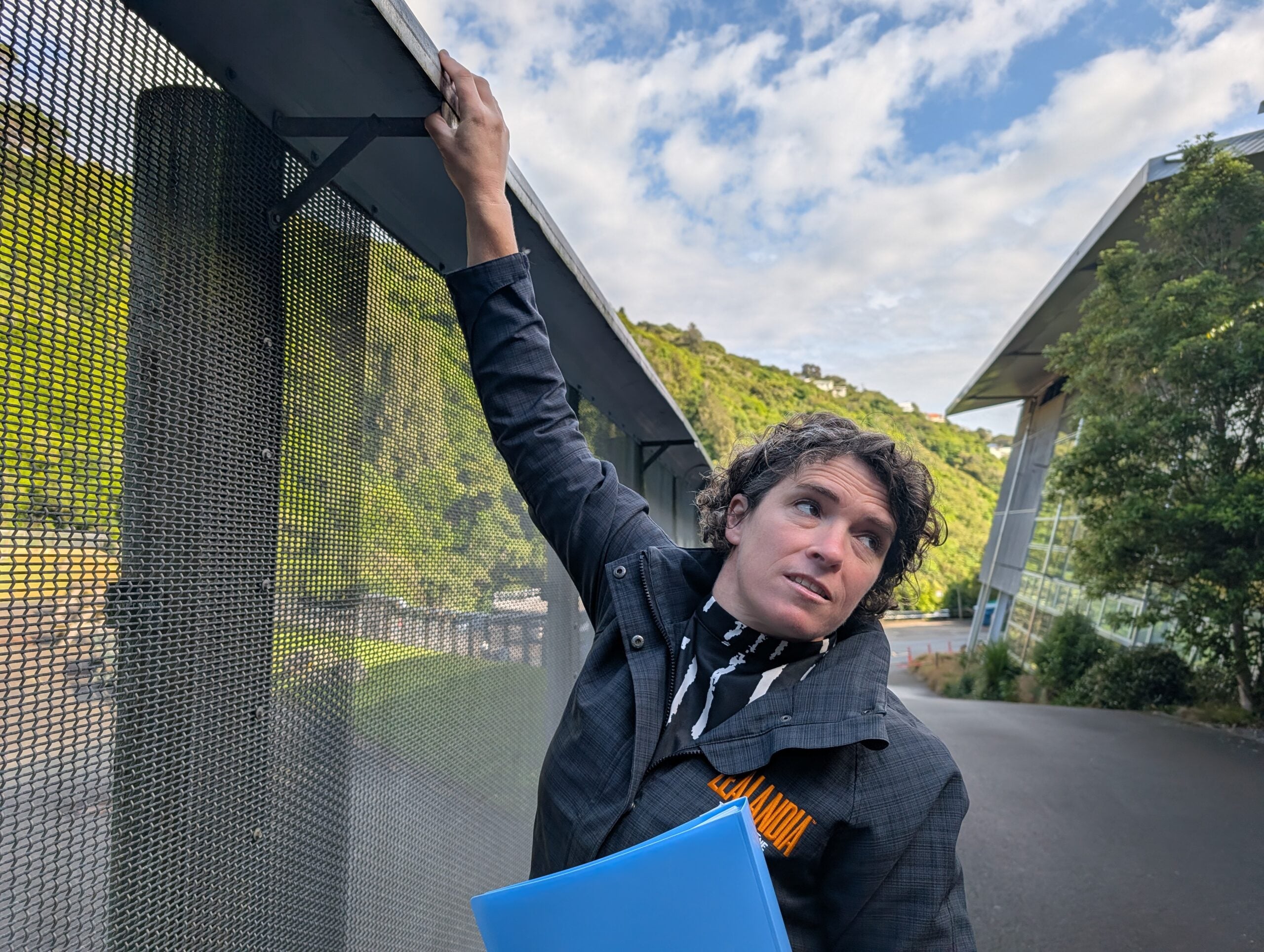
Danielle Shanahan, Zealandia’s CEO, shows a visitor the innovative fence surrounding the ecosanctuary in Wellington, New Zealand.

A New Zealand ecosanctuary with a 500-year plan to turn back the clock

A single mouse once redefined the borders of Zealandia. Researchers testing prototype fencing watched a rodent wrap its tail around a screw, swing its body, and haul itself over the top, a feat of gymnastics that helped engineers design the 5.3-mile barrier that now encircles this 556-acre valley above Wellington, New Zealand. Its team calls it the world’s first fully fenced urban ecosanctuary, an attempt to turn back the clock to a time before mammals ever reached these islands. For more than a century the valley supplied the capital’s drinking water, and before that it was scarred by failed gold mines and stripped for farmland. Now it is something stranger: a place where rare native birds and a reptile from the age of dinosaurs are returning, just a short cab ride from the city’s best coffee shops. But the sanctuary sits directly on a major fault line, and the woman who runs it is working toward a 500-year plan she knows she will never see completed.