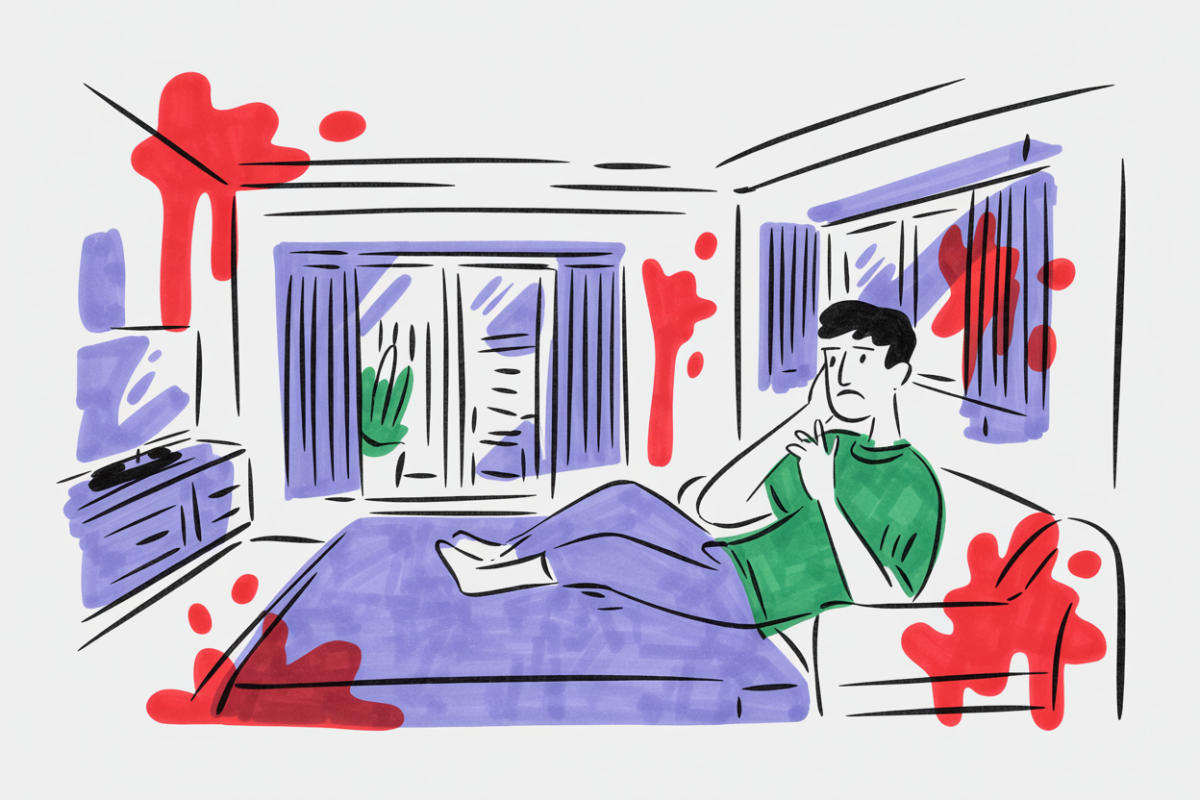
Michael Huang thought he’d found a reliable and clean place to stay when he reserved a studio apartment in Penang, Malaysia, through Booking.com.
Instead, he walked into a crime scene.
Or at least, it looked like one. There were blood stains on the surfaces. There was mold on the walls. The bedding was crumpled and smelly, sporting hair that definitely didn’t belong to the Huang family. It was, in his words, a “health hazard.”
When Huang asked for a refund, Booking.com told him the decision was up to the host. The host told him to cancel. And then, nobody did anything—except keep his money.
His case raises several questions for anyone renting a vacation home:
- What constitutes an uninhabitable rental?
- Who is legally responsible for a refund: the host or the platform?
- How do you document a disaster to ensure you get your money back?
First, let’s go back to the beaches of Penang, where Huang is trying to sort out this mess.
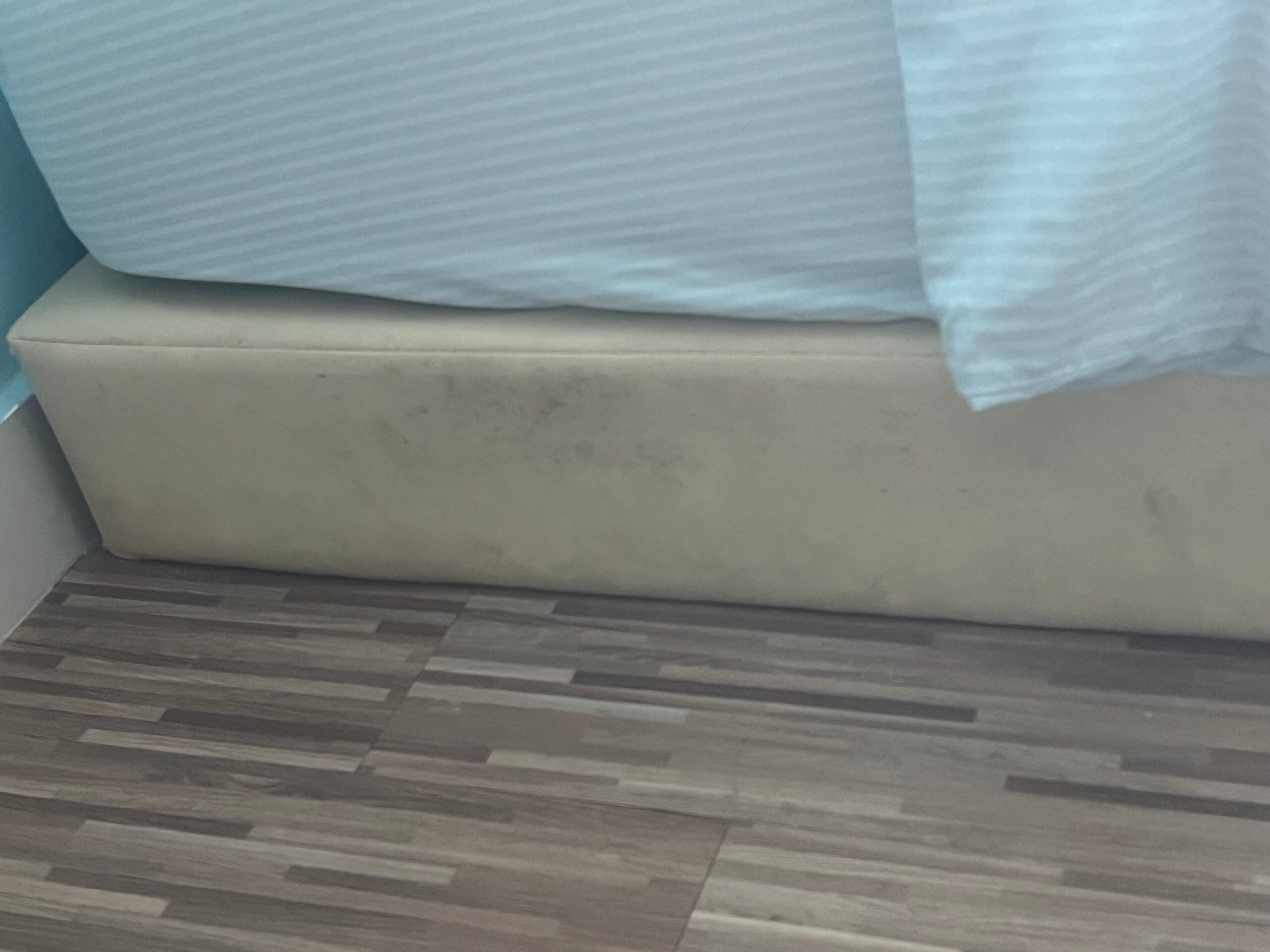
A filthy boxspring in Michael Huang’s rental in Penang, Malaysia.
“We walked into a health hazard”
Huang booked the stay through Booking.com because he believed the platform’s promise of safe, habitable accommodations. But the reality was a stomach-turner.
“We walked into a health hazard,” Huang says. “The conditions were appalling.”
Of course this place was not inhabitable by any standards outside of a war zone. But “legally”? Who has the legal authority to adjudicate and mandate actions against an international internet entity regarding a rental in Penang? That’s why there must be a boycott of platforms that fail in the basics. For me, there will be no bookings through Bookings.
He wasn’t exaggerating. He found clumps of hair on the floor and spiderwebs throughout the property. The mattress had stains covering it. The couch was dirty. And then there were the “biological hazards”—the blood and the mold.
Huang did exactly what a smart traveler should do: He left.
The Elliott Confidential Podcast
Now that’s a paper trail!
A deep dive into the troubling paper trail behind this case. We’ll share the ACTUAL emails—and more.
He didn’t try to make it work, because a line had been crossed. The rental was uninhabitable. He contacted the property management immediately.
His hosts offered no solutions, he says. No cleaning crew. No alternative room. They simply told him to cancel the reservation. Huang returned the keys to the lockbox and found emergency accommodations for his family, paying out of pocket.
Then he contacted Booking.com. He sent the company photos and explained that the host told him to cancel. He assumed that a refund would follow.
He was wrong.
A Booking.com representative sent him a polite but devastating email.
“The decision of a refund always remains up to the property,” she wrote. “Despite our best tries, they have refused any compensation.”
She added, “We hope we have resolved your inquiry and all is clear.”
It was clear, all right. It was clear that Huang was out $313. And that’s when he contacted my advocacy team.
What constitutes an uninhabitable rental?
There’s a big difference between a rental that is rustic and one that is repulsive.
In the travel industry, we see complaints all the time about decor that hasn’t been updated since the Carter administration or a view that looks at a brick wall rather than the ocean. Those are disappointments, but they’re not refund-guaranteed events.
However, Huang’s case introduces what I call the squalor threshold.
The squalor threshold is the line where a property moves from being questionable to dangerous. A rental should meet a warranty of habitability. This means it needs to be structurally sound, have working plumbing and electricity, and be free of sanitary hazards.
Biological waste places a property firmly across this threshold. Blood stains are not a quirk. They’re a biohazard. Mold that’s visible on walls and ceilings is a respiratory threat. Unchanged linens with a stranger’s hair are a hygiene violation.
When you encounter these conditions, the product is defective. It is the equivalent of buying a car that is on fire. You don’t need to drive it around the block to see if you like the handling. It’s on fire.
If you walk into a rental and see bodily fluids or mold, you are in the “uninhabitable” zone. At that point, the contract is breached and you’re entitled to a full refund.
Booking.com’s initial refusal to recognize this distinction is a classic example of a platform trying to enforce a cancellation policy on a product it should have never sold.
Who is responsible for a refund: the host or the platform?
This is the travel industry’s favorite shell game. Online travel agencies love to play the role of the innocent middleman. They process your credit card, they send you the confirmation email, they take a commission—but when things go wrong, they suddenly become just a bulletin board for listings.
In Huang’s case, the customer service agent told him, “The decision of a refund always remains up to the property.”
Nonsense.
While it is true that in the agency model, the merchant of record might be the hotel or host, the platform still bears responsibility for the inventory it displays. If you buy a carton of milk at a grocery store and it is sour, the store does not tell you to call the dairy farmer. The store refunds you, and then it deals with the farmer.
Booking.com has policies that promise safe and clean environments. When a host violates those standards—especially by providing a room with blood and mold—the platform has the authority to override the host.
The agent also told Huang, “We cannot issue a refund until the host replies to our emails.”
That’s a stalling tactic. If a host goes dark or refuses to answer, the consumer should not be left holding the bag. The platform has the money (or the ability to claw it back). It’s banking on you giving up.
Never accept “we are just the intermediary” as an answer, especially when safety is involved. If the platform facilitated the transaction, it has a duty of care to ensure you aren’t sleeping in a biohazard.
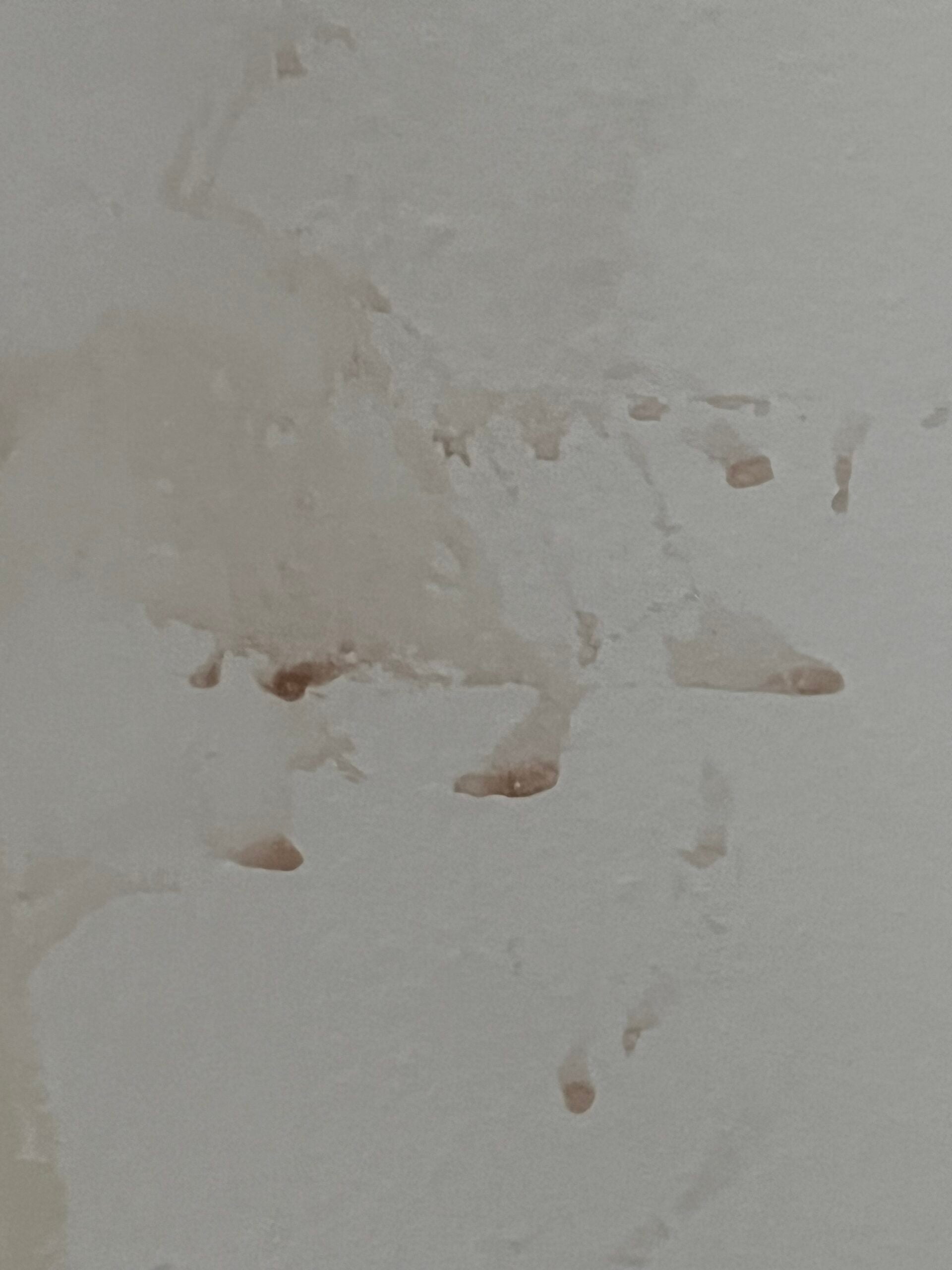
Blood on the walls of Huang’s Penang vacation rental.
How do you document a disaster to ensure you get your money back?
If there is one thing Huang did perfectly, it was his documentation. He had all the receipts—and the photos.
When you find yourself in a rental nightmare, you need to think like a crime scene investigator.
Take immediate action. Huang didn’t stay the night. If you stay, you pay. By leaving immediately and returning the keys, he demonstrated that the property was truly uninhabitable. If you stay “just one night” because you are tired, the company will argue that the room was habitable enough for you to sleep in. Huang left, booked a new place, and kept the receipts. This made his case a slam dunk—even if Booking.com didn’t see it that way at first.
The paper trail. Huang communicated via the Booking.com chat app. That’s important. Never rely on phone calls. Phone calls are where consumer rights go to die. Agents can say anything on the phone and deny it later. Huang had a written record of the agent admitting, “We’ve followed up… however, no compensation could be provided.”
Photos and video. Huang took photos of the blood, the mold, and the hair. He uploaded them to the cloud and sent a link to the company. Without photos, it is your word against the host’s. With photos, it is undeniable.
Here’s the resolution
After Booking.com gave Huang the runaround for days, he came to our team. We reviewed his photos, and he was right—they were disgusting. We reviewed the correspondence. And he was right—it was infuriating.
“Our customer service team has investigated this matter further,” a representative responded.
“We can confirm a full refund has been issued.”
Why couldn’t Booking.com offer a refund sooner, when Huang showed it the pictures? Booking.com wouldn’t say.
“We just received the refund from Booking.com,” Huang told me. “Many thanks for your support! This really means a lot to us.”
It shouldn’t take a consumer advocate to get a refund for a room that looks like a set from a horror movie. But until platforms stop hiding behind their hosts, we’ll be here to help clean up the mess.

Have a question about this story? Tell us what happened — we read every comment.
Join the conversation