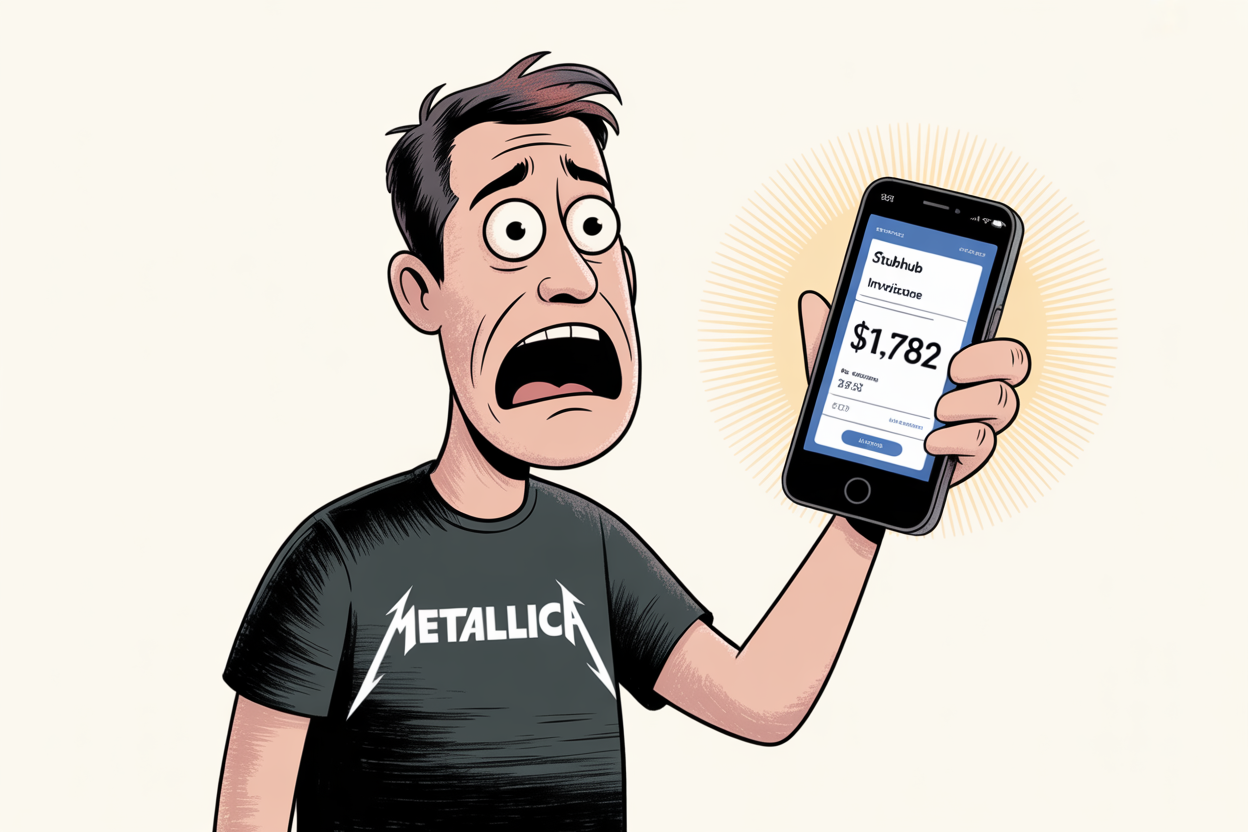
Cartoon of a distressed man in a Metallica T-shirt staring at his phone, which displays a glowing StubHub invoice for $1,782.

My buyer made a big mistake, so why did StubHub charge me $1,782?

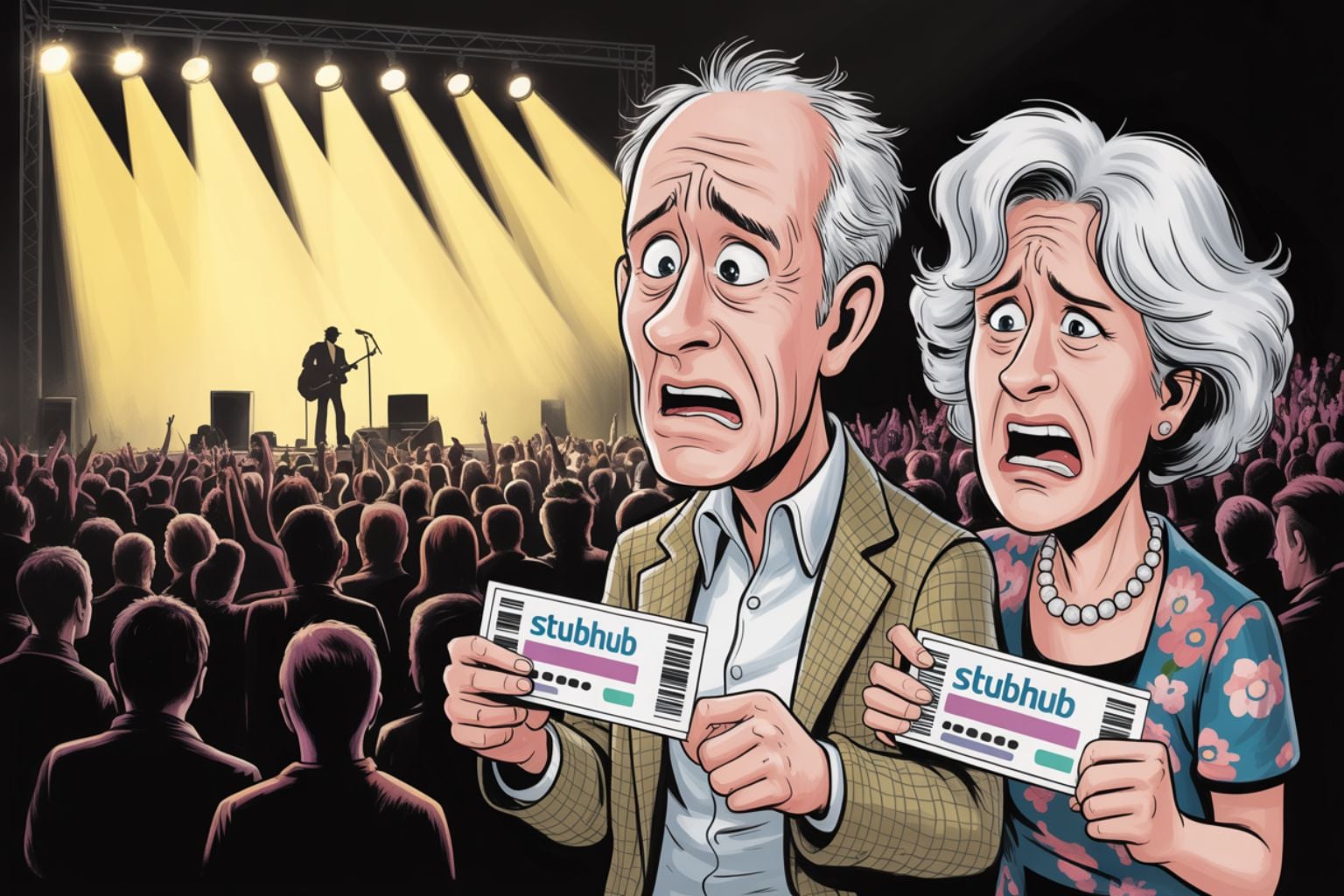
Mark Christensen had sold tickets on StubHub for more than 20 years, so he knew the drill. He listed a pair of two-day Metallica tickets, found a buyer, and transferred them exactly the way StubHub requires. For this tour, a single transfer covered both nights. The buyer used the tickets the first night without a hitch. Then things went sideways. Instead of trying the same tickets at the gate the second night, or asking anyone, the buyer assumed they needed a separate transfer and bought brand-new tickets. And that is when StubHub dropped the hammer, on Christensen. It sided with the buyer, withheld his payout, charged his card for the buyer’s new tickets, and even clipped an unrelated sale, a total of $1,782 for a mistake he did not make. Here is the standard worth holding any marketplace to when its guarantee is supposed to protect sellers too.
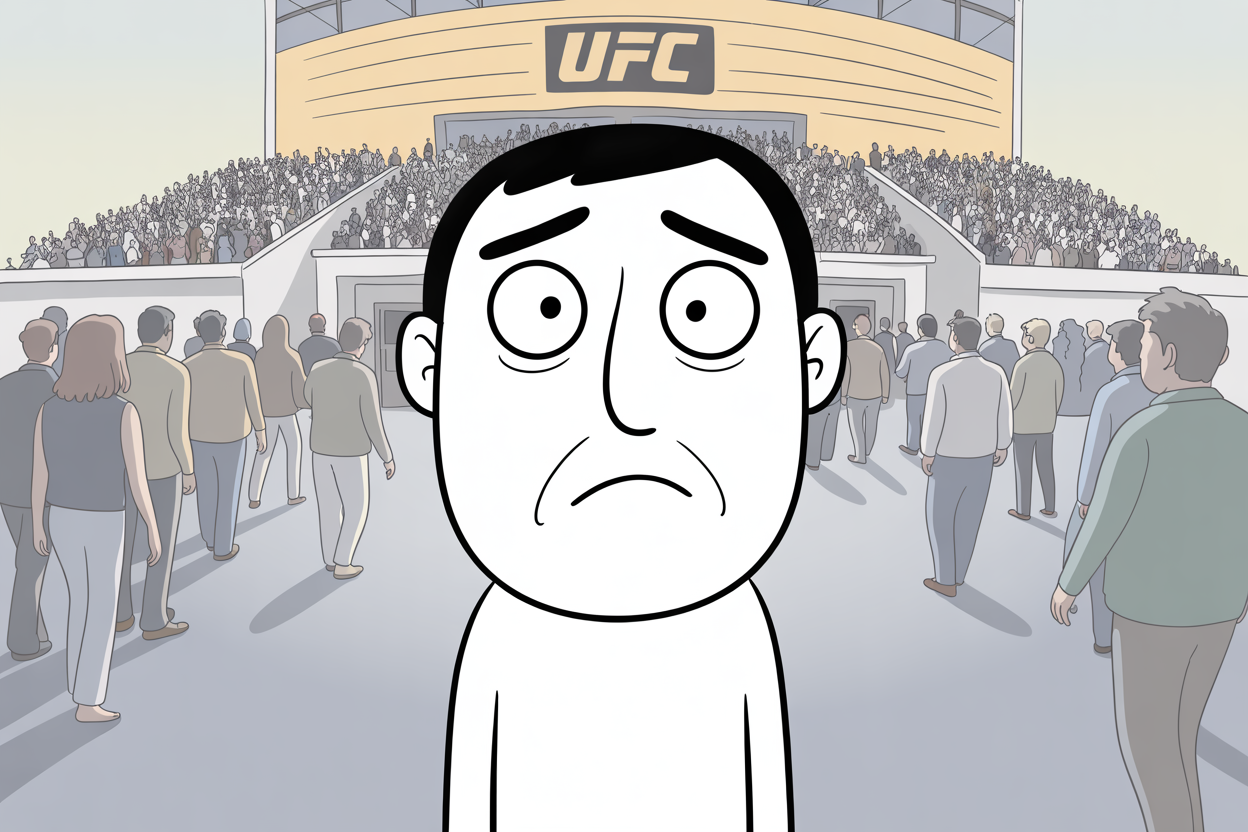
Cartoon of a glum man standing alone outside a packed UFC arena as crowds stream past him to the entrance, illustrating a fan shut out of an event he paid for but could not attend.

StubHub’s FanProtect guarantee fails: The $4,606 ticket he never got

Roland Nazariyan paid $4,606 to see a UFC fight, and he missed the main event. He had ordered three tickets through StubHub on the day of the fight, and when none of them arrived in time, he called the platform. It refunded the first two orders after he sent screenshots showing the tickets were never delivered. The third and most expensive order sat in limbo, marked as in final escalation, and then came back denied: a seller had claimed the ticket was transferred, and StubHub told him he had never even contacted the company about it, despite its own emails in the thread asking him for proof. Here is the standard worth holding any reseller to before you accept a denial like this. StubHub’s FanProtect guarantee promises that you will get your tickets in time for the event, and if not, comparable or better tickets or your money back. A guarantee, in other words, is only as good as a company’s willingness to honor the words it is built on.

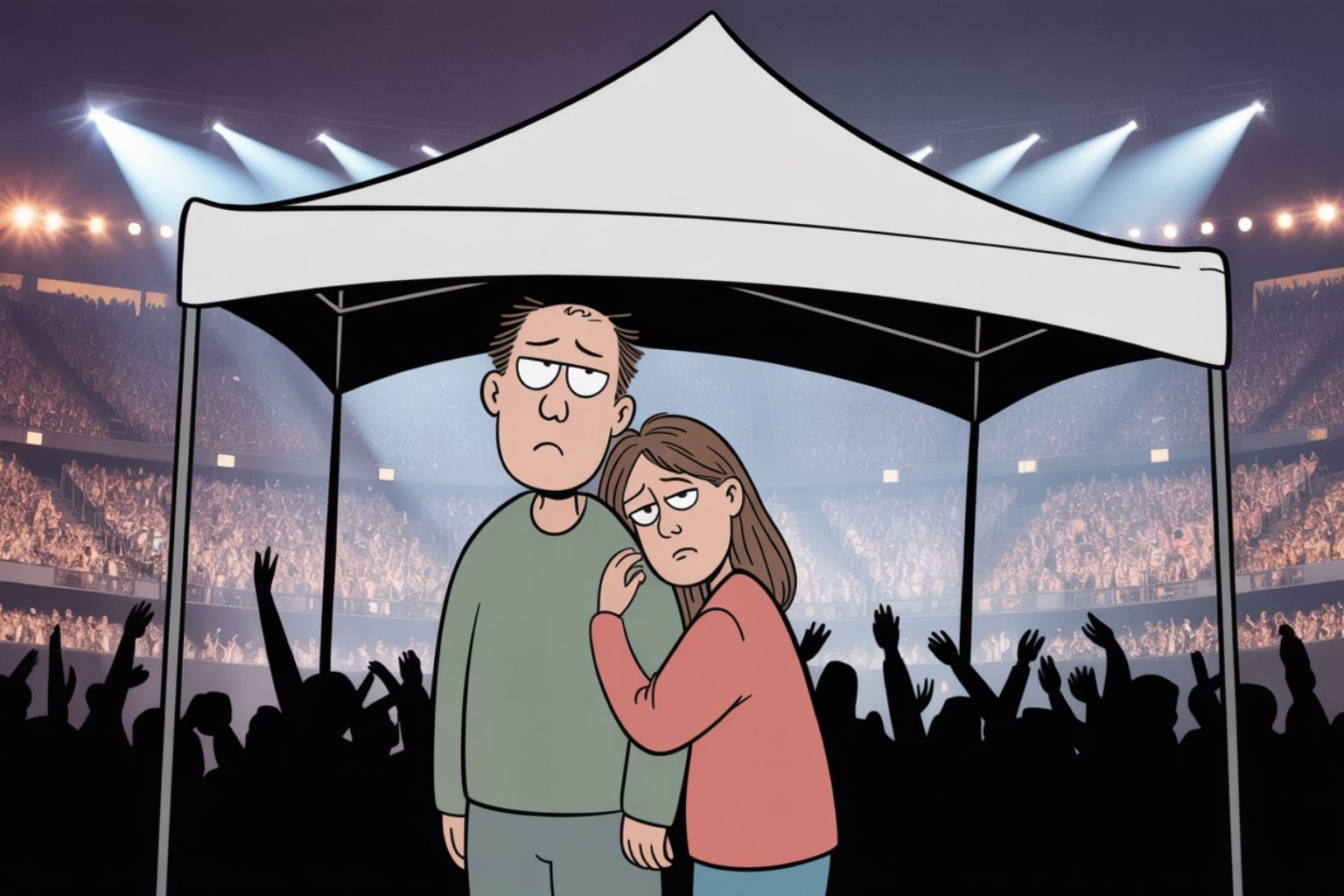
Illustration showing a frustrated couple standing under a large white VIP tent at a concert venue, with the tent blocking their view of the illuminated stage and crowd in the background, depicting how Ticketmaster sold premium second-row seats without disclosing the view obstruction

Ticketmaster sold me “great seats” that turned out to be obstructed. Where’s my refund?

Vincent Manierre paid $475 each for second-row Oasis concert tickets at the Rose Bowl, expecting a clear stage view. A VIP tent blocked one-third of the stage. The tickets were not labeled obstructed view despite Ticketmaster’s stated policy requiring such disclosure. Ticketmaster refused a refund, claiming the event organizer controls refunds but would not reveal who that organizer is. Under Federal Trade Commission rules, selling tickets without disclosing obstructions when company policy promises such labeling can constitute deceptive trade practices.