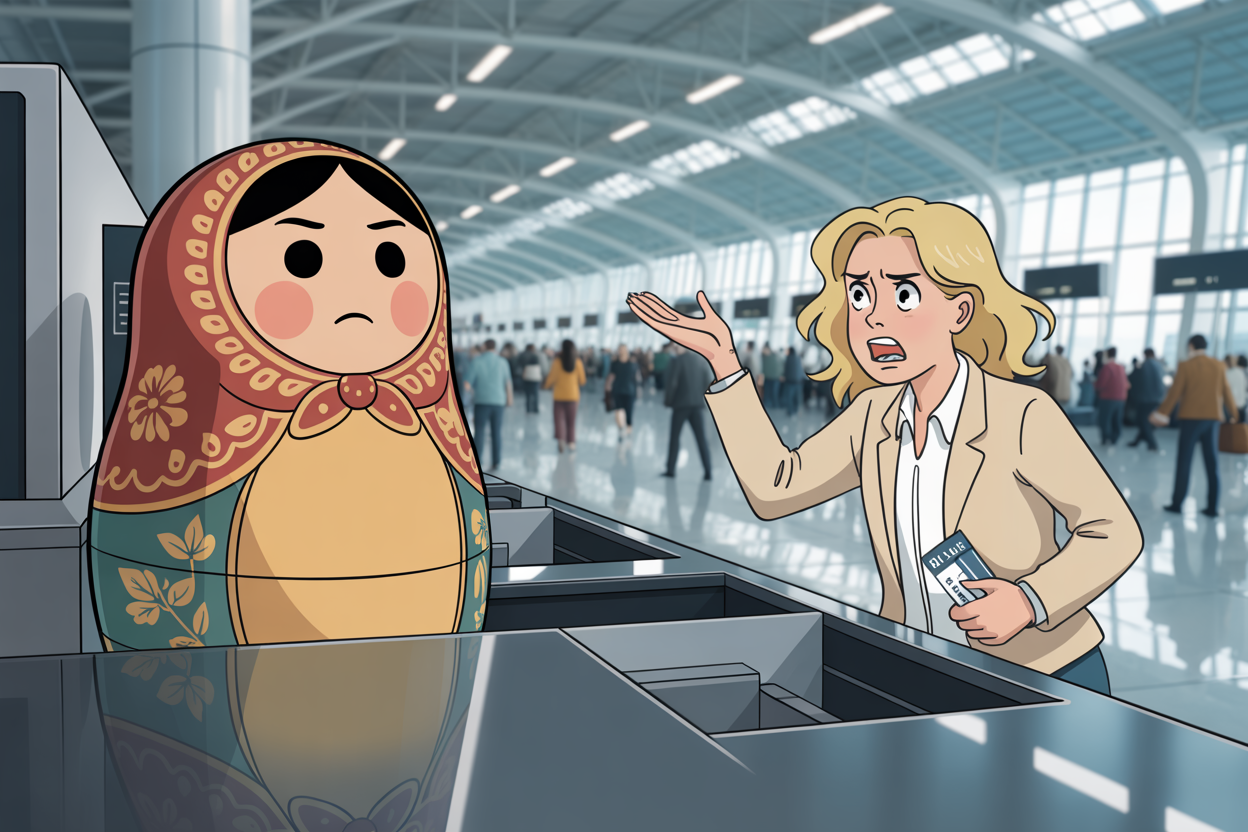
Cartoon of a distressed blonde traveler holding a ticket at an airport counter, gesturing in protest at a giant Russian nesting doll standing in place of an agent.

I paid $500 for an upgrade on Swiss, then the airline kept it

Elizabeth Webley thought she had found a deal. She bid $500 for an upgrade on a Swiss International Air Lines flight from Zurich to San Francisco, and the airline accepted. Then her plans changed, she rebooked, and she assumed her upgrade would either move to the new flight or come back to her card. It did neither. Swiss told her the bid was gone and that she would have to pay for a new upgrade, calling the original nonrefundable because she had changed the booking voluntarily. There is a name for this: the ghost upgrade, a product you pay for that vanishes the moment you touch your reservation. But Webley had something most travelers do not. She had taken a screenshot of the terms she agreed to at the moment of purchase, and those terms said plainly that if she changed her flight she was entitled to a full refund of the bid amount, as long as her fare allowed rebooking. The airline’s agents kept quoting a different rule, the one about voluntary cancellations, and pointing her to the FAQ. So the standoff came down to a single question with real money riding on it: when the contract you agreed to says one thing and the airline’s FAQ says another, which one is supposed to win?
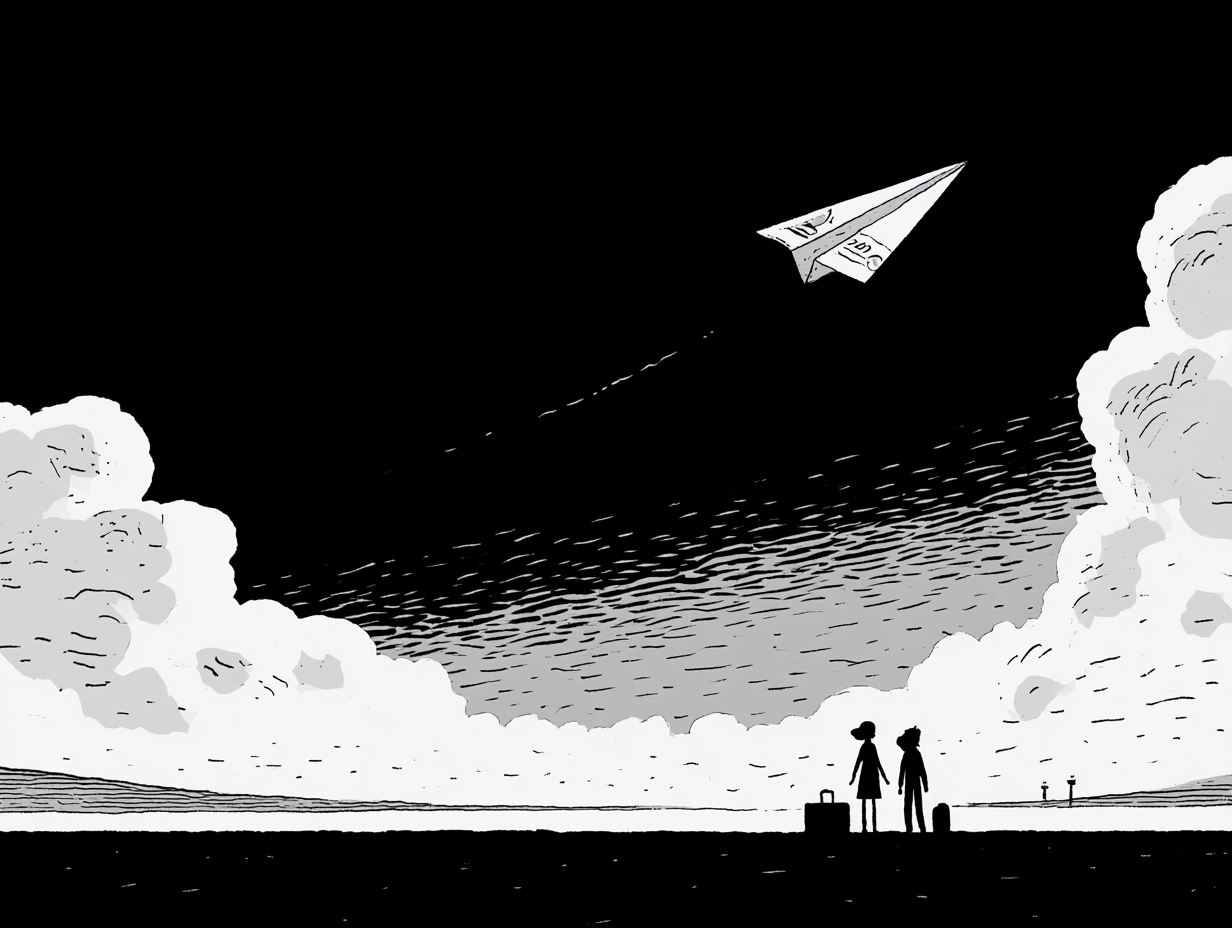
Black and white cartoon of a small couple with suitcases standing on a dark horizon, watching a paper airplane folded from a banknote fly up and away into a vast cloudy sky.

Air travelers deserve stronger consumer protections—in Europe and the U.S.

Mila Schoun knew what his downgrade was worth, but his airline pretended it did not. Schoun and his wife had paid Swiss International Air Lines for premium economy on a flight from Prague to Miami, and then the airline changed aircraft and put them in regular economy for the 10-hour crossing. He asked for the difference back. Swiss refused. What Schoun had on his side, even if he had never heard of it, was EC 261, a 21-year-old European regulation that makes airlines pay when they cancel, bump, strand, or downgrade you, and that quietly protects millions of Americans on any flight leaving an EU airport. Europe just spent the spring fighting over whether to gut that law, with the airline lobby pushing to raise the delay threshold and erase most claims. Passengers appear to have dodged the worst of it. But there is a quieter problem that no one in Brussels lobbied for and no one fought against, one that has been draining the value out of this protection for two decades while everyone argued about something else.