The German hotel that banned Nutella — and what it reveals about green travel’s biggest problem
If you’re a guest at the Villa Orange in Frankfurt, Germany, you may have one question at breakfast: “Where’s the Nutella?”
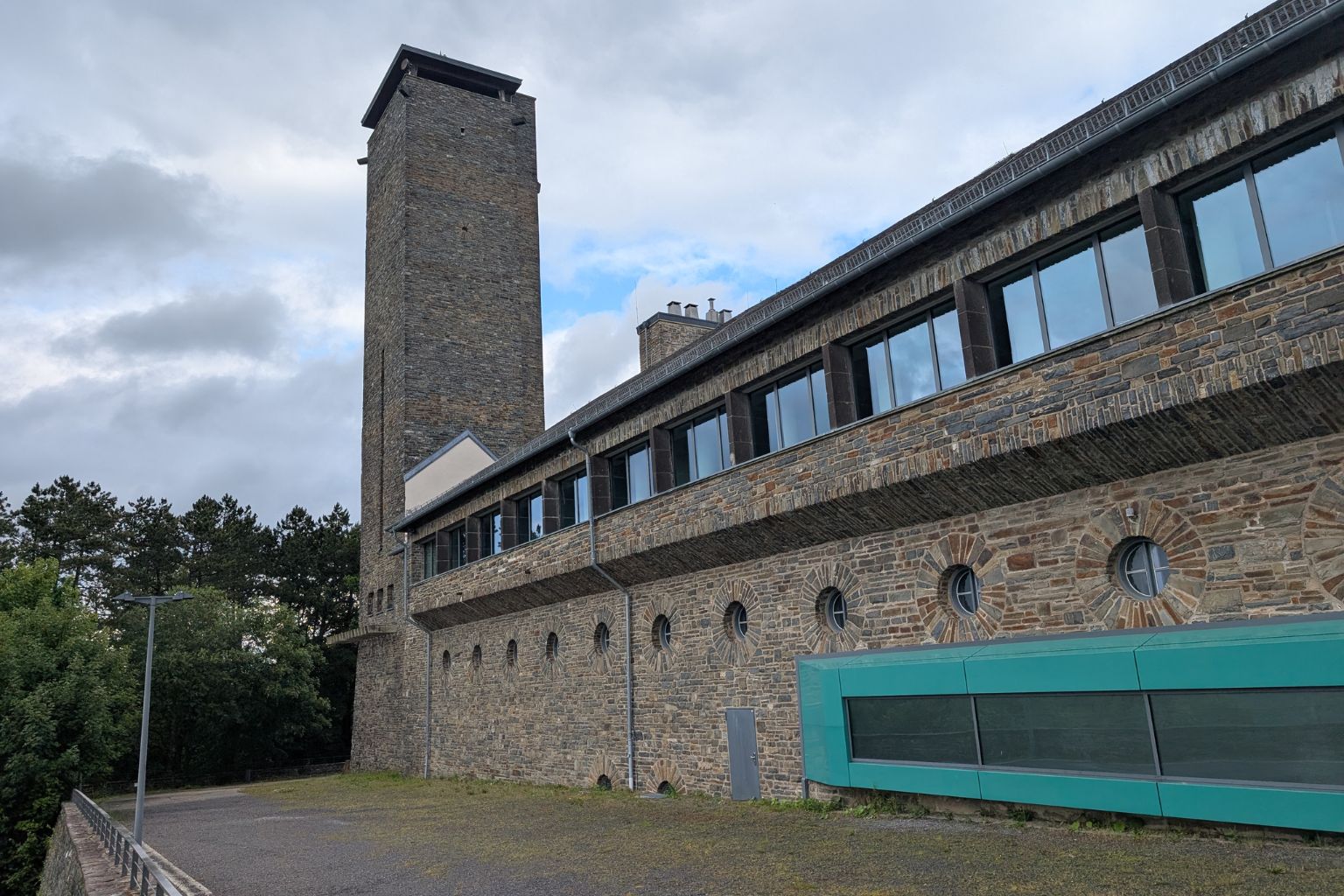
The air grows heavy as you ascend the narrow, winding staircase of the Vogelsang-Turm, an observation tower with commanding views of Urftsee and Eifel National Park in western Germany.
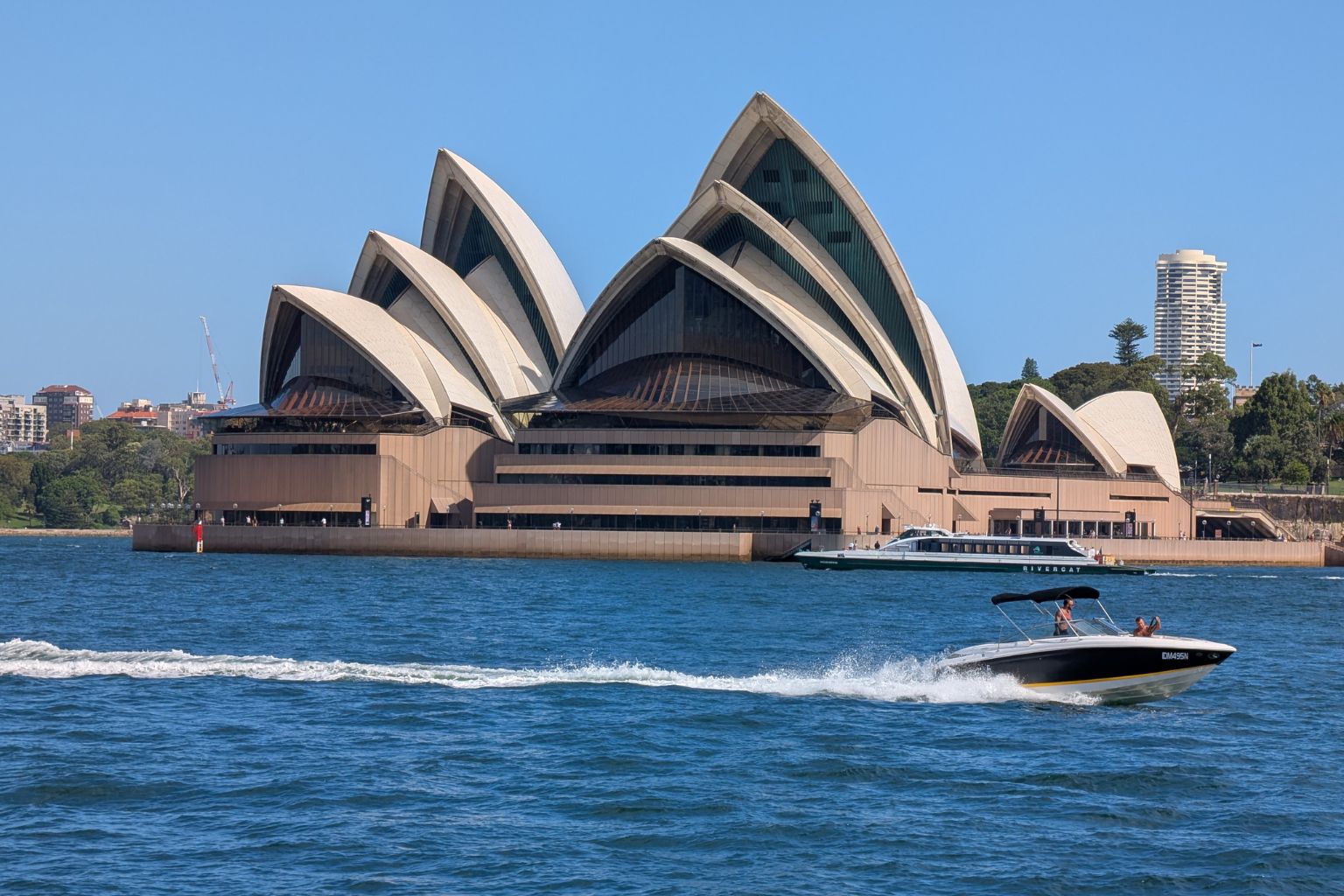
The Sydney Opera House is more than just an architectural marvel. It’s more than the gleaming white sails that grace postcards, Instagram feeds, and travel documentaries. It’s more than the iconic backdrop to Australia’s New Year’s Eve fireworks.
Can an airport be sustainable? Before you answer that question, step outside any terminal and catch a whiff of burning jet fuel — a searing, earthy odor that reminds you air travel is one of the most carbon-intensive industries on the planet.
On a hilltop overlooking New Zealand’s lush Whanganui River, Dan Steele is thinking about the future. Not just his future or the future of his sprawling ranch, Blue Duck Station. He’s thinking about all of New Zealand.
There’s nothing like a road trip this summer — if you can get past the shame of it.
Forget sustainable tourism. In forward-looking destinations like New Zealand, it’s all about regenerative tourism.
Say the word “sustainable” around an airline executive, and they’ll probably try to change the subject. That’s because green air travel is a distant dream. But not for Air New Zealand.
When it comes to sustainability, you might not expect much from Qatar, a place that air-conditions its soccer stadiums, parks, and even outdoor malls.
Sustainability is everywhere at the Conrad Istanbul Bosphorus. It’s in the food and in the recycling program — and it’s even in the linens.