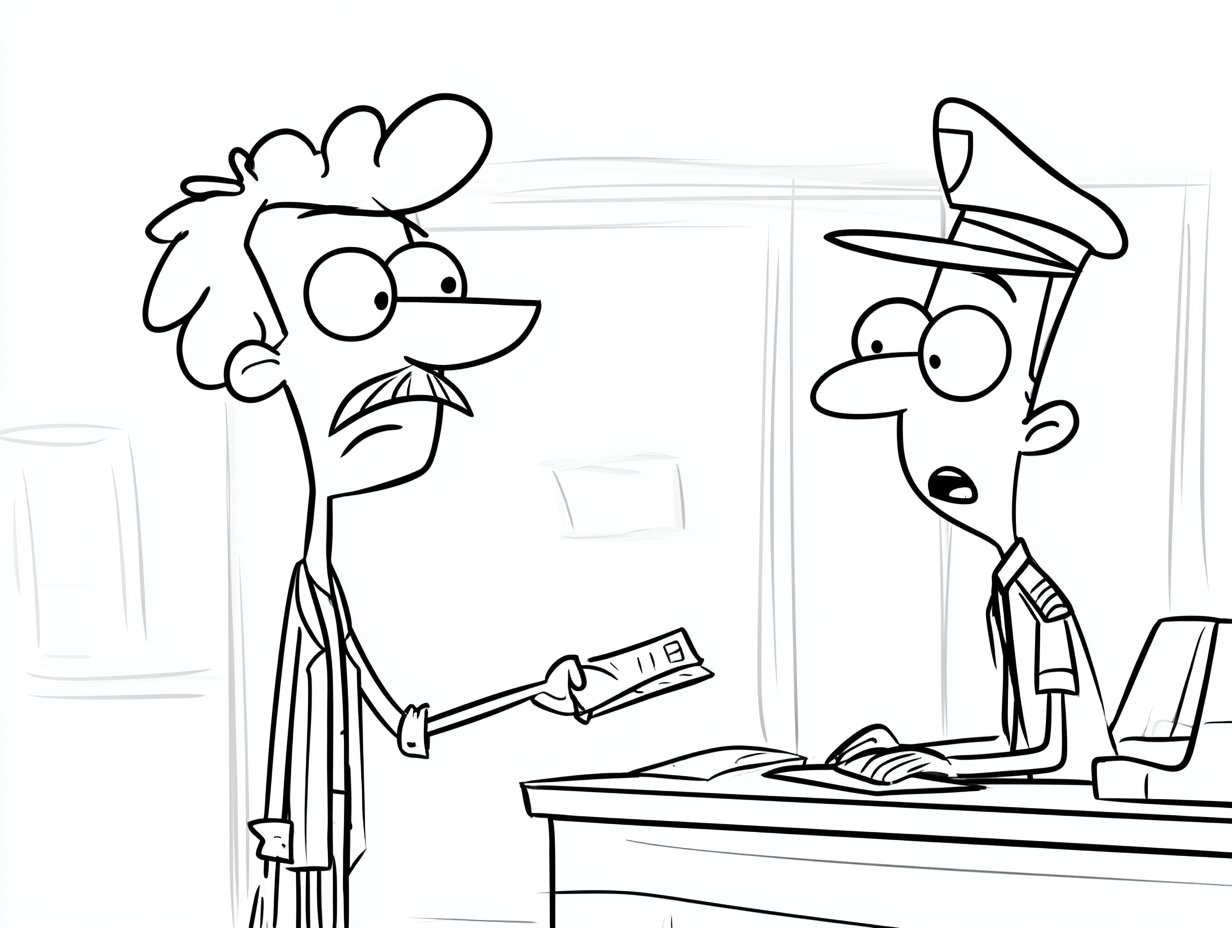
Black and white cartoon of a traveler handing his passport across a desk to a uniformed border officer at passport control.

Your passport just got political. Here’s what that means

The next time you hand over your passport at a border, it might double as a political statement. To mark America’s 250th anniversary, the State Department has begun issuing a limited-edition commemorative passport unlike any before it: a fully valid travel document, with all the usual security features, whose interior pairs a sitting president’s portrait with the text of the Declaration of Independence. A passport historian says he can find no precedent for a sitting head of state’s image in a passport, not even in authoritarian regimes. Other countries have made their travel documents political in quieter ways, a disputed map here, a national-identity redesign there, but a leader’s face inside the book appears to be new. You only receive the commemorative version if you apply in person at one office in Washington, where it becomes the default; everyone else keeps the standard design, which works identically at every crossing. Supporters call it a patriotic keepsake for the semiquincentennial. Critics ask whether any single administration belongs inside a document issued to every citizen.
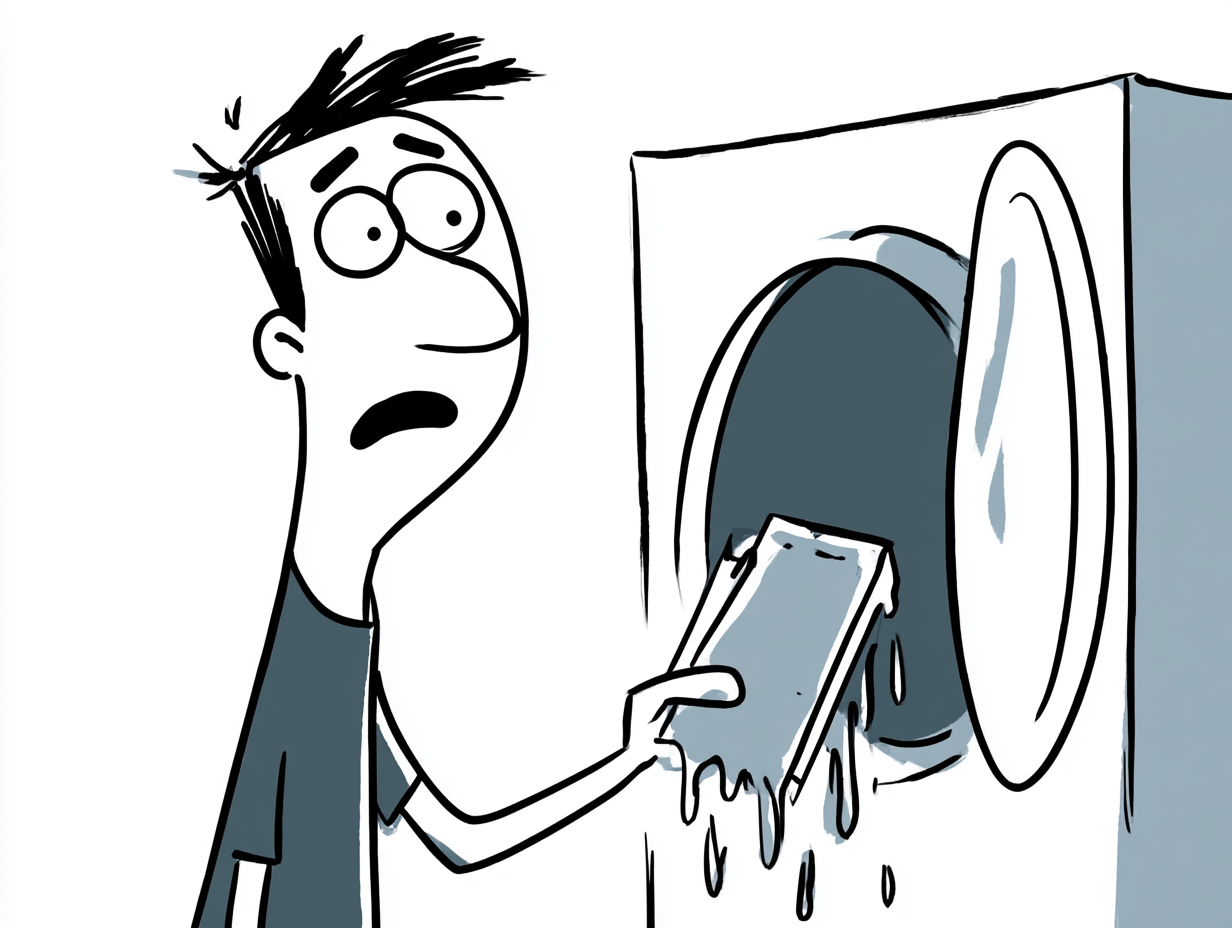
Cartoon illustration of a worried traveler holding a soaked passport beside a washing machine after it accidentally went through the laundry.

It’s time to kill the passport

A U.S. passport went through the wash during a week in Singapore, half a cycle on heavy duty before its owner remembered it was in a back pocket. State Department guidance is clear that significant damage, including water exposure, voids a passport, which means applying in person at a U.S. embassy, paying a $130 fee, and racing to get a replacement before an upcoming border crossing into Malaysia. The mishap raises a larger question: why do travelers still depend on a fragile paper booklet at all? Hundreds of thousands of U.S. passports are reported lost or stolen each year, and modern borders already scan faces, fingerprints, and travel history in milliseconds. More than 150 countries now issue electronic passports with embedded chips, yet those documents remain physical objects vulnerable to washing machines and pickpockets. A few countries have started clearing travelers with facial and biometric checks alone, suggesting the chip, not the booklet, has become the real document. The question is what it would take for the United States to follow.

Illustration of a worried young traveler sitting inside an airport as smoke, flames, and panicked crowds appear outside the windows.

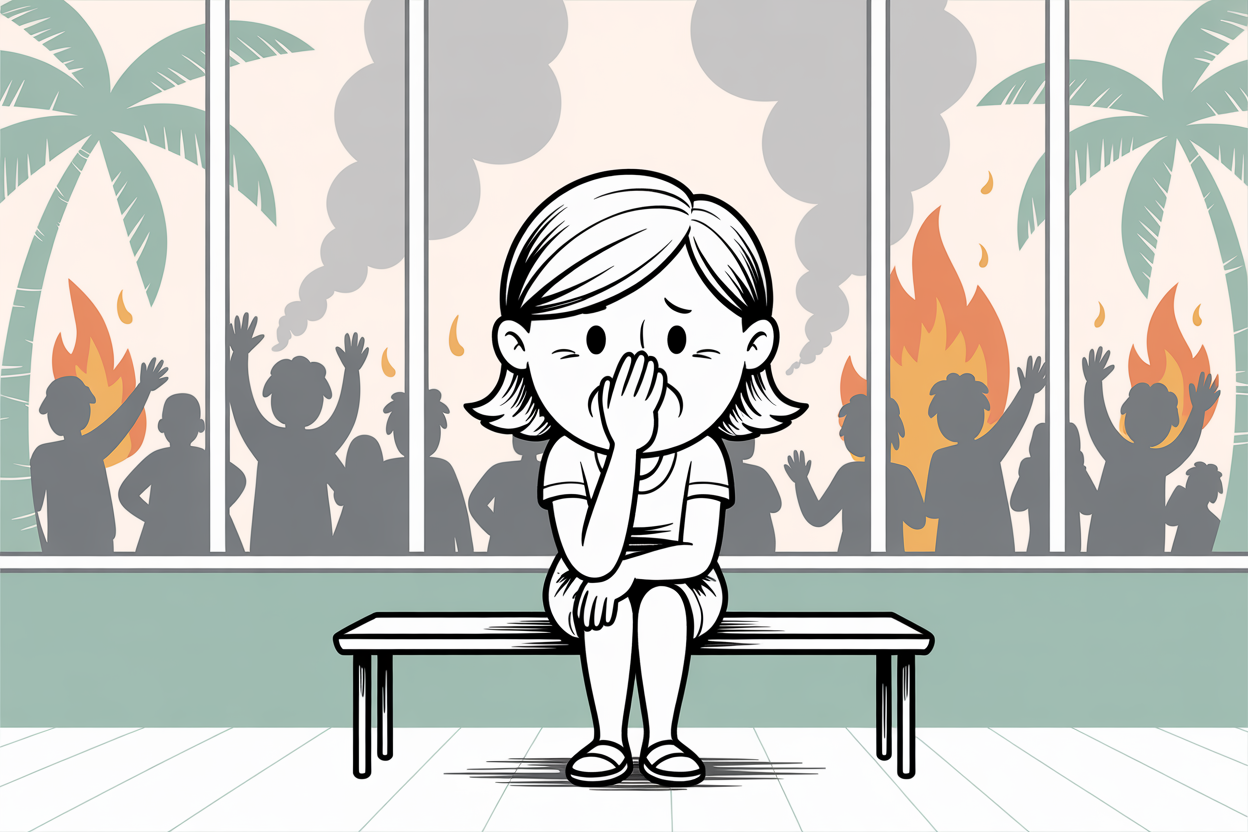
When your vacation turns dangerous: How do you know it’s time to leave?

Kate McCulley, a journalist based in Prague, knew it was time to leave Madagascar. Flights were getting canceled, protests had moved outside her hotel in Antananarivo, and the country was on the verge of a military coup. The police blanketed the neighborhood in tear gas. After several days of trying, she finally caught a flight to Réunion. Most travelers face a much harder version of her call. After months of planning and thousands of dollars spent, deciding whether to cut a vacation short when conditions shift is rarely simple. Civil unrest, a natural disaster, a sudden spike in crime, or a slow drift in local sentiment can each push a manageable risk toward a real threat. Government advisories often lag behind reality on the ground, tour operators have an interest in downplaying risk, and standard travel insurance generally will not cover a trip cut short on fear alone. There is no algorithm for the stay-or-leave decision, but security professionals point to clear early triggers that separate a manageable situation from a dangerous one, if travelers know what to watch for.