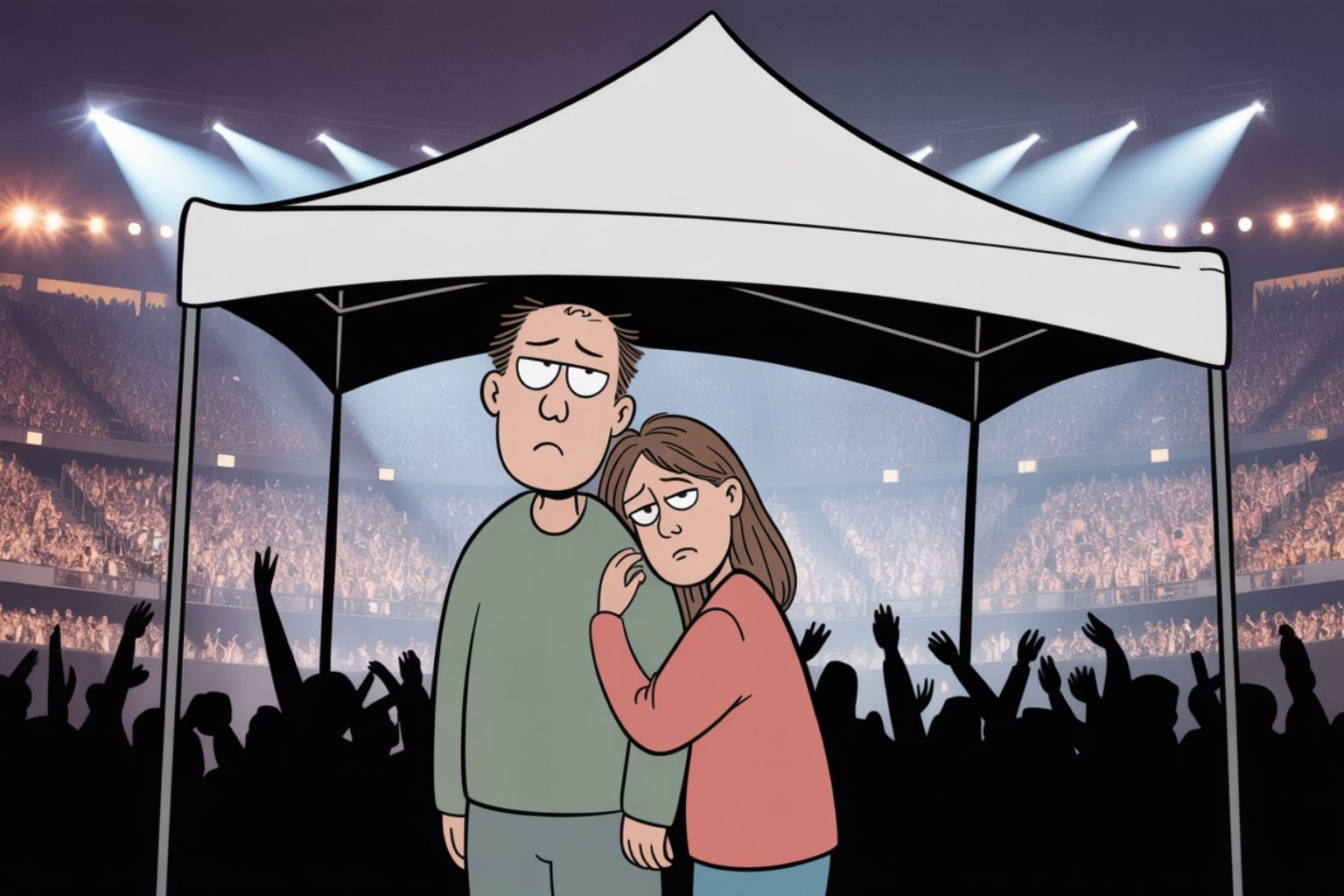
Illustration showing a frustrated couple standing under a large white VIP tent at a concert venue, with the tent blocking their view of the illuminated stage and crowd in the background, depicting how Ticketmaster sold premium second-row seats without disclosing the view obstruction

Ticketmaster sold me “great seats” that turned out to be obstructed. Where’s my refund?

Vincent Manierre paid $475 each for second-row Oasis concert tickets at the Rose Bowl, expecting a clear stage view. A VIP tent blocked one-third of the stage. The tickets were not labeled obstructed view despite Ticketmaster’s stated policy requiring such disclosure. Ticketmaster refused a refund, claiming the event organizer controls refunds but would not reveal who that organizer is. Under Federal Trade Commission rules, selling tickets without disclosing obstructions when company policy promises such labeling can constitute deceptive trade practices.
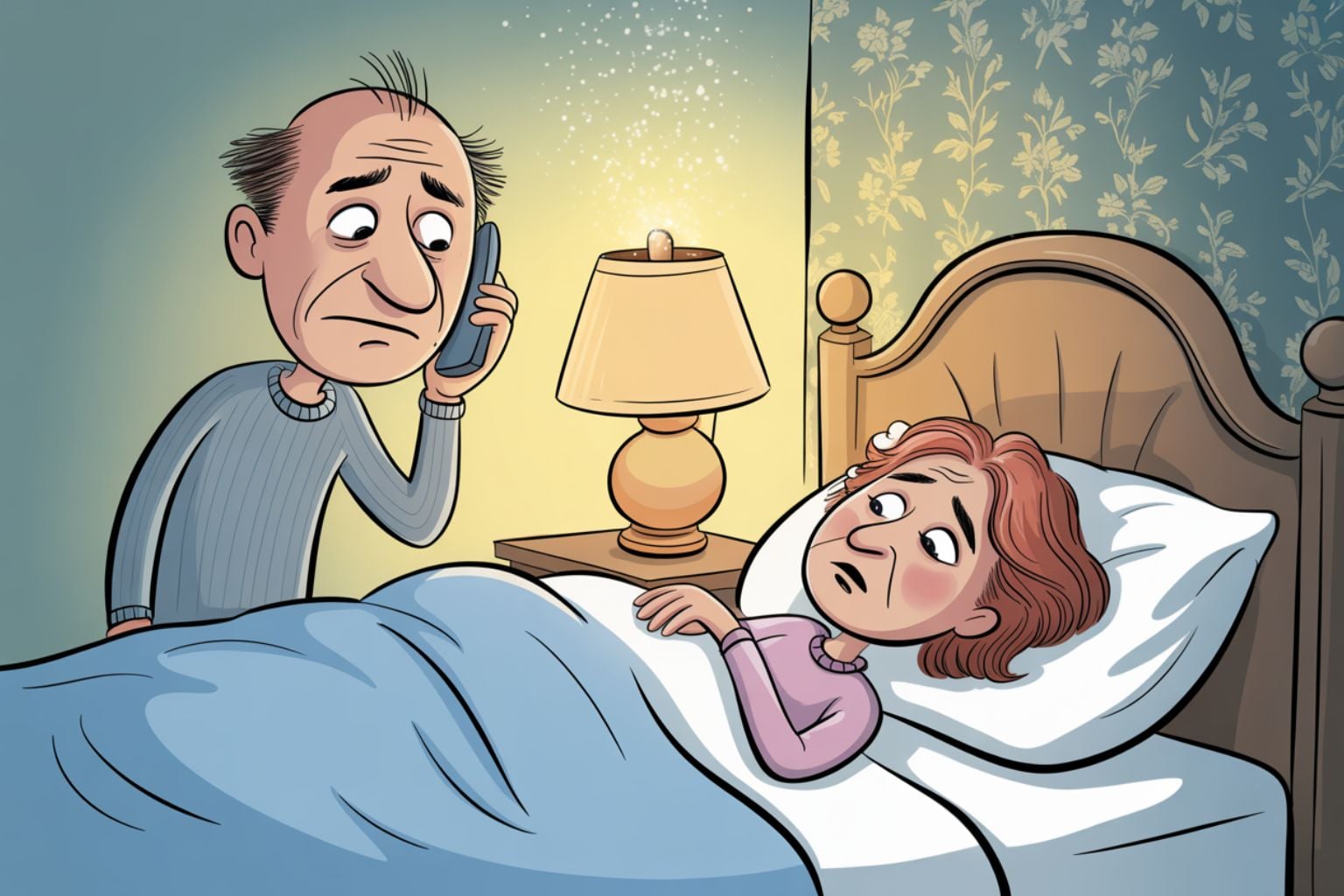

When Bill Chellis's wife was hospitalized with pneumonia on their hotel check-in day, he immediately called Hampton Inn in Great Falls to cancel. The hotel charged him the full $173 anyway, citing late cancellation policy. He called Hilton customer service, wrote to corporate offices, and sent certified letters, but received no response for months. Hotels can legally enforce cancellation policies even for medical emergencies, but state consumer protection laws may require companies to act in good faith when customers provide documentation.

Hampton Inn charged me for a canceled room after my wife was hospitalized. Can I get my money back?

When Bill Chellis’s wife was hospitalized with pneumonia on their hotel check-in day, he immediately called Hampton Inn in Great Falls to cancel. The hotel charged him the full $173 anyway, citing late cancellation policy. He called Hilton customer service, wrote to corporate offices, and sent certified letters, but received no response for months. Hotels can legally enforce cancellation policies even for medical emergencies, but state consumer protection laws may require companies to act in good faith when customers provide documentation.