From earthquake rubble to carbon zero: Here’s how Christchurch is building a greener city
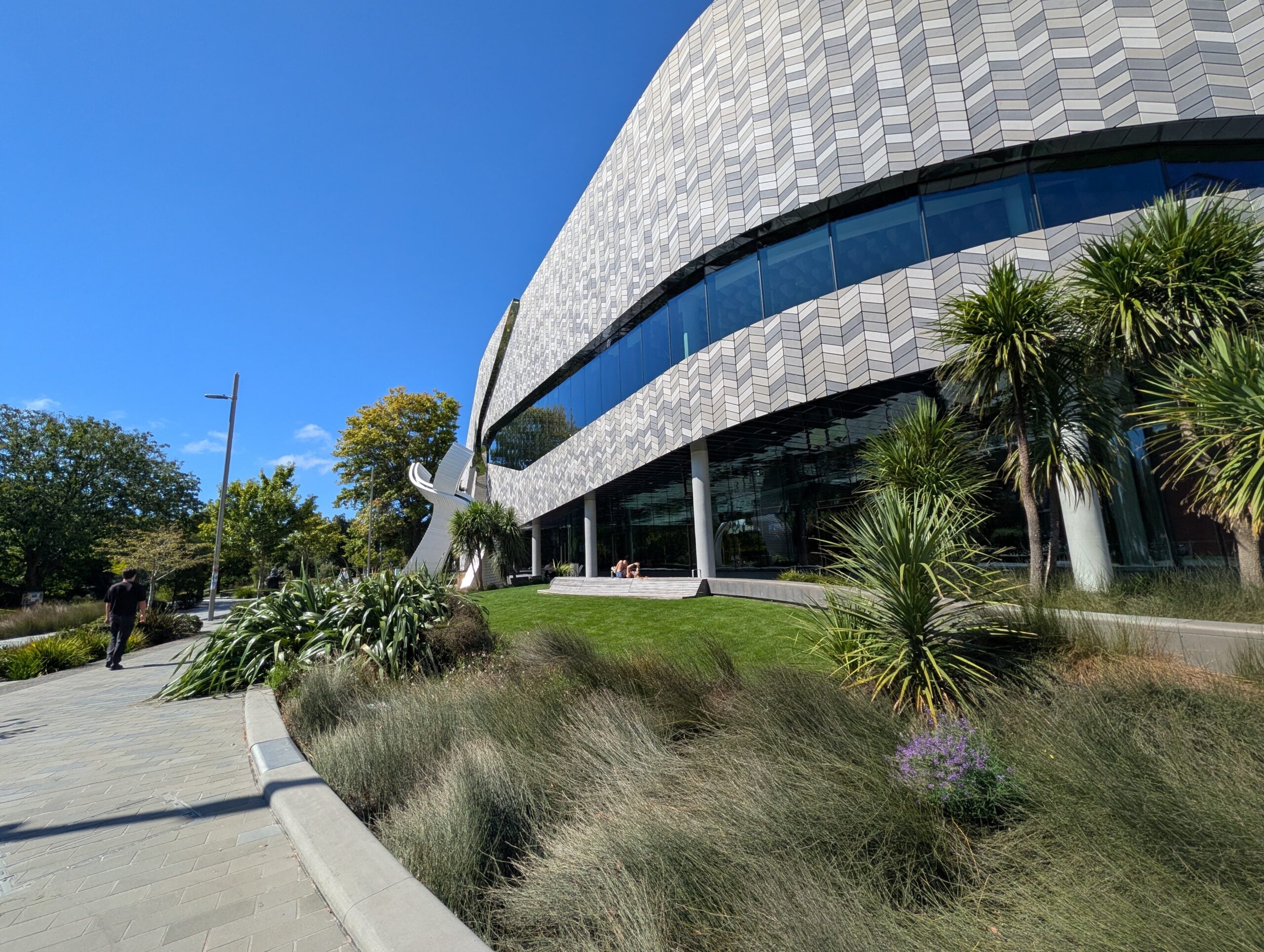
To understand how Te Pae Christchurch became a carbon zero certified convention center, you need to meet Oscar. He is about the size of a commercial dryer, but instead of laundry he dries hundreds of pounds of food waste, heating, mixing, and shredding scraps across a 30-hour cycle until what comes out looks like coffee grounds. Oscar lives in the back of house, a rugged gray box with a heavy lid and caution stickers, entirely indifferent to the awards the building collects. He is also a fair symbol of the city above him. The earthquakes of 2010 and 2011 took roughly a third of Christchurch’s buildings, and what rose in their place was designed to a different standard: a compact center built for walking and biking, a library designed around energy, a former residential red zone turning into wetlands and native forest, an airport that has spent two decades cutting its own emissions. Most of it happens where no visitor will ever see it, which raises a question worth asking about the whole idea of green travel.