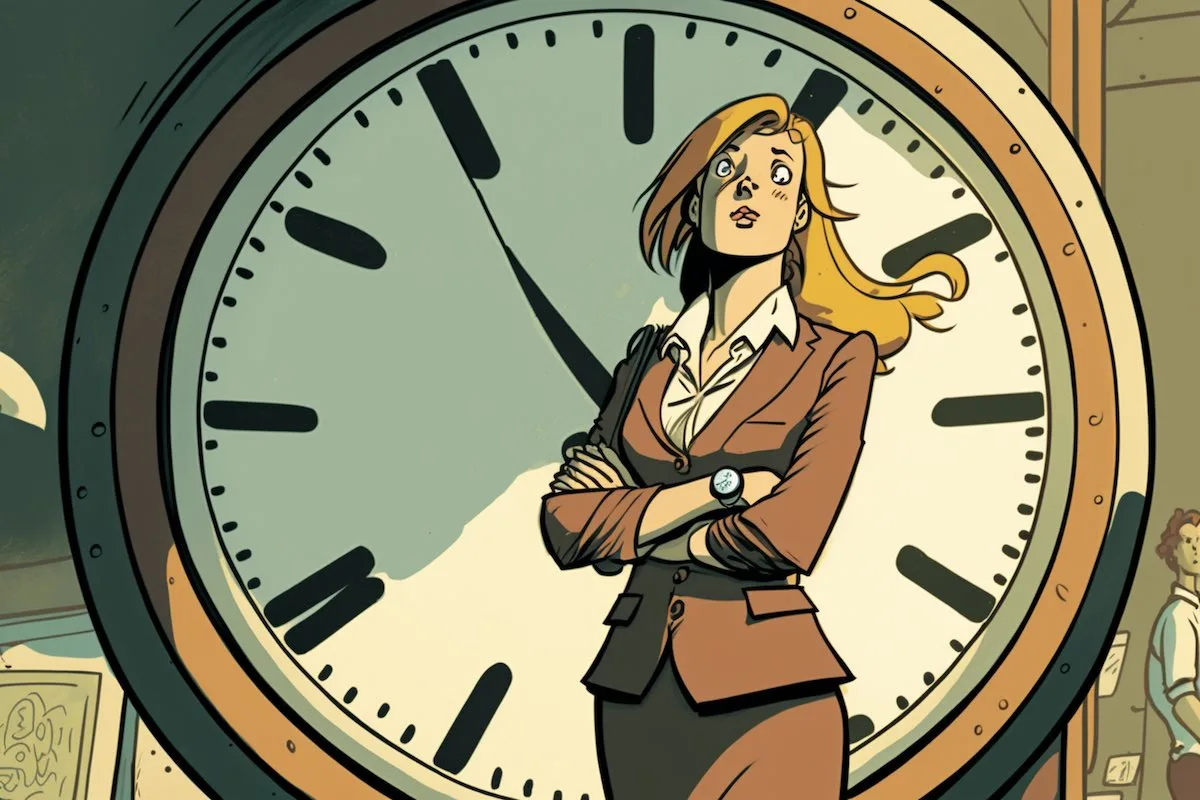
Cartoon of a shocked woman standing between two twin beds with visibly stained sheets in a hotel room, a city skyline through the window behind her.

They advertised two queen beds and a clean room. I got neither—and a $922 charge.

Rebekah Singleton booked a room with two queen beds at a Brooklyn hotel through Booking.com because she specifically needed the queen beds. What she got was something else entirely. The beds measured out to roughly 50 inches wide, a full size, not a queen, and the room itself was filthy: sheets marked with grease stains, hair, and what looked like suspicious red stains. The second room she was offered was worse, with red splatter across the floor. She did not feel safe, so she left that night and found another hotel. Then the real ordeal began. The hotel denied her photo evidence. Booking.com dragged the matter out for weeks and offered only a small goodwill credit. She disputed the $922 charge with her credit card, which briefly credited her before rebilling the entire amount once the merchant pushed back. She was left out nearly a thousand dollars for a room she never used, caught between a property, a platform, and a card issuer, each pointing elsewhere, and left asking what a booking site actually owes you when the room it sold bears no resemblance to the one you paid for.
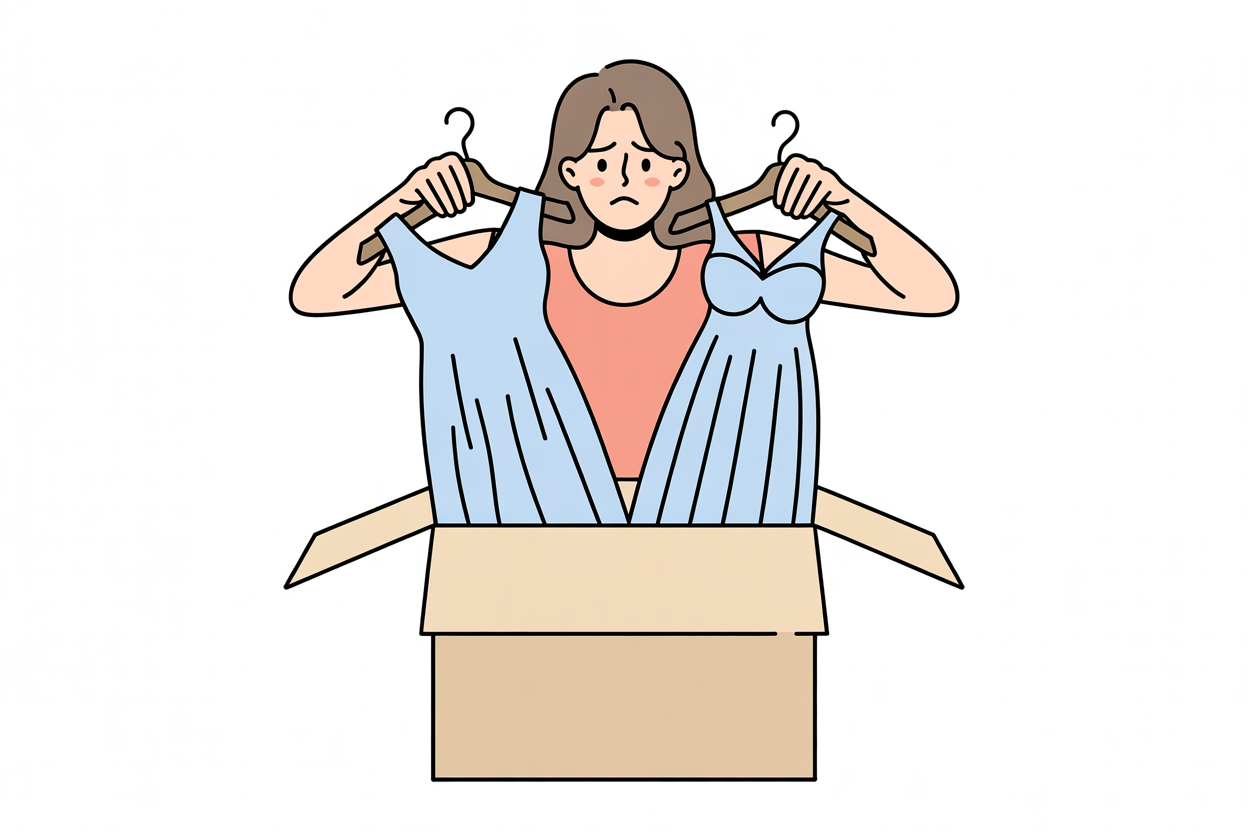

Illustration of an unhappy woman holding up two pale blue dresses on hangers over an open cardboard shipping box, preparing to return the gowns she ordered online.

I returned $3,990 in designer dresses — then my refund vanished

Debbie Rivet ordered the same evening gown from the London designer Safiyaa in two sizes, the Serendipity Pale Blue Long Dress at $1,995 each, planning to keep whichever fit and send back the other. When the dresses arrived, the fitted style was wrong for her occasion, so she requested a return authorization, shipped both back by FedEx, and kept the receipts proving delivery. Then she waited for her refund. And waited. Her follow-up emails went unanswered, the phone line dropped to voicemail and disconnected, and when she filed a dispute with Capital One the bank reversed its initial credit, saying too much time had passed. There is a rule worth committing to memory before you give a silent company the benefit of the doubt: under the Fair Credit Billing Act, you generally have only 60 days from the statement date to dispute a charge in writing, and the longer you wait for a reply that may never come, the closer that protection slips toward expiring.