Christopher Elliott

Christopher Elliott is the founder of Elliott Advocacy, a 501(c)(3) nonprofit organization that empowers consumers to solve their problems and helps those who can't. He's the author of numerous books on consumer advocacy and writes three nationally syndicated columns. He also publishes the Elliott Report, a news site for consumers, and Elliott Confidential, a critically acclaimed newsletter about customer service. If you have a consumer problem you can't solve, contact him directly through his advocacy website. You can also follow him on X, Facebook, and LinkedIn, or sign up for his daily newsletter.
Black and white cartoon of a frazzled airline passenger facing a smiling gate agent at a counter, who holds up a document labeled "OUR RULES," illustrating the gap between what travelers want and what the DOT's disclosure rule actually delivers.

Congress asked for passenger rights. It got a PDF

Airline passengers are tired of standing at the gate while agents hand out excuses. The Department of Transportation has a fix. Soon, airlines will hand out a piece of paper instead. The DOT just finalized a rule requiring airlines to publish a one-page summary of passengers’ rights. Congress ordered it eight years ago. The rule does not set any compensation amounts. It does not require meals, hotels, or rebooking when there is a delay. Each airline only has to briefly summarize its own existing policies, in whatever format it likes. The rule also skipped the public comment period, and in a detail that is hard to make up, the summaries are not even due yet, because carriers cannot submit anything until a separate government approval process is complete. When the regulated industry shrugs at a new regulation, that means something, and this rule drew no objection at all.
from leaving the tv on to packing door alarms, travelers are getting innovative about hotel room security. learn how to enhance your safety on the road.

New ways to make your hotel room safe

Walter Meyer is so concerned about hotel safety that he always brings Dave along. Dave is not real. Whenever Meyer leaves his room, he turns the TV on low, preferably a talk show, so anyone listening at the door hears voices and assumes the room is occupied. On his way out he calls back to the empty room, “Dave, are you sure you don’t want anything? Okay, I’ll be back in a little bit.” The idea is to make a watcher believe someone is inside and will return soon, even when no one is. Meyer is not alone in getting inventive. Safety now ranks at the top of travelers’ concerns, and the strategies people use range from the charmingly low-tech, like Dave, to a small kit of gadgets the savvy traveler never packs without. Security experts and hoteliers say there are specific, simple moves that make a room far harder to breach, starting with the things you can do before you even unlock the door.

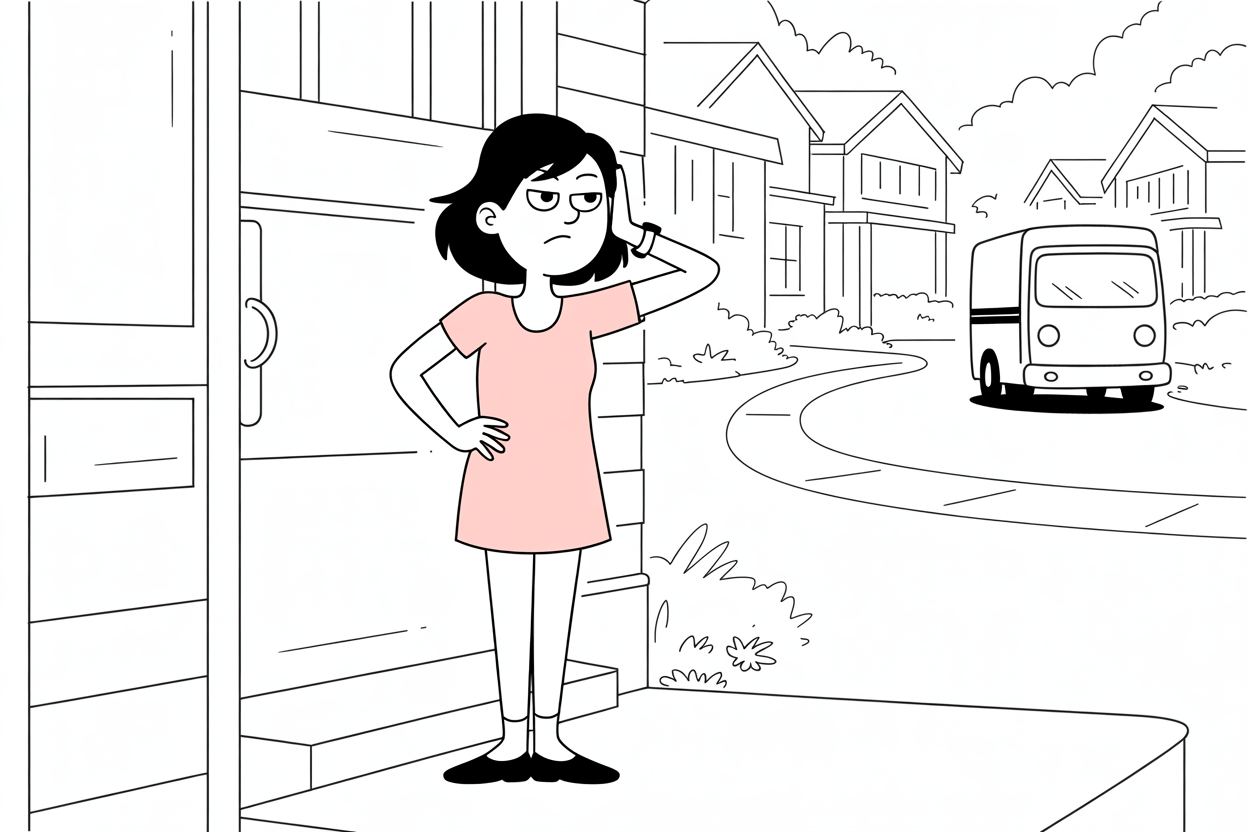
Line-art cartoon of an annoyed woman standing on her front steps with a hand to her head, watching a delivery van drive away down her suburban street.

Shein sent my package to my old address after I requested a return. Can I get a refund?

Alyssa Klenotich placed a $153 Shein order, then realized the site had autofilled her old address. She tried to fix it on the Shein website, but it was too late for the company to change anything. So she went to the carrier, SpeedX, and asked it to return the package to the sender so she could get a refund, and SpeedX accepted the request in writing. Then it delivered the package to the old address anyway, and her items were gone. SpeedX kept sending her form responses telling her to talk to the merchant, and she could not see why a loss the carrier caused was suddenly her problem to chase. Here is the principle worth knowing when a shipment goes sideways: you almost always go back to the merchant first, because that is the company you have a contract with and the one that hired the shipper, and the seller, not the carrier, is the party with the authority to issue your refund.

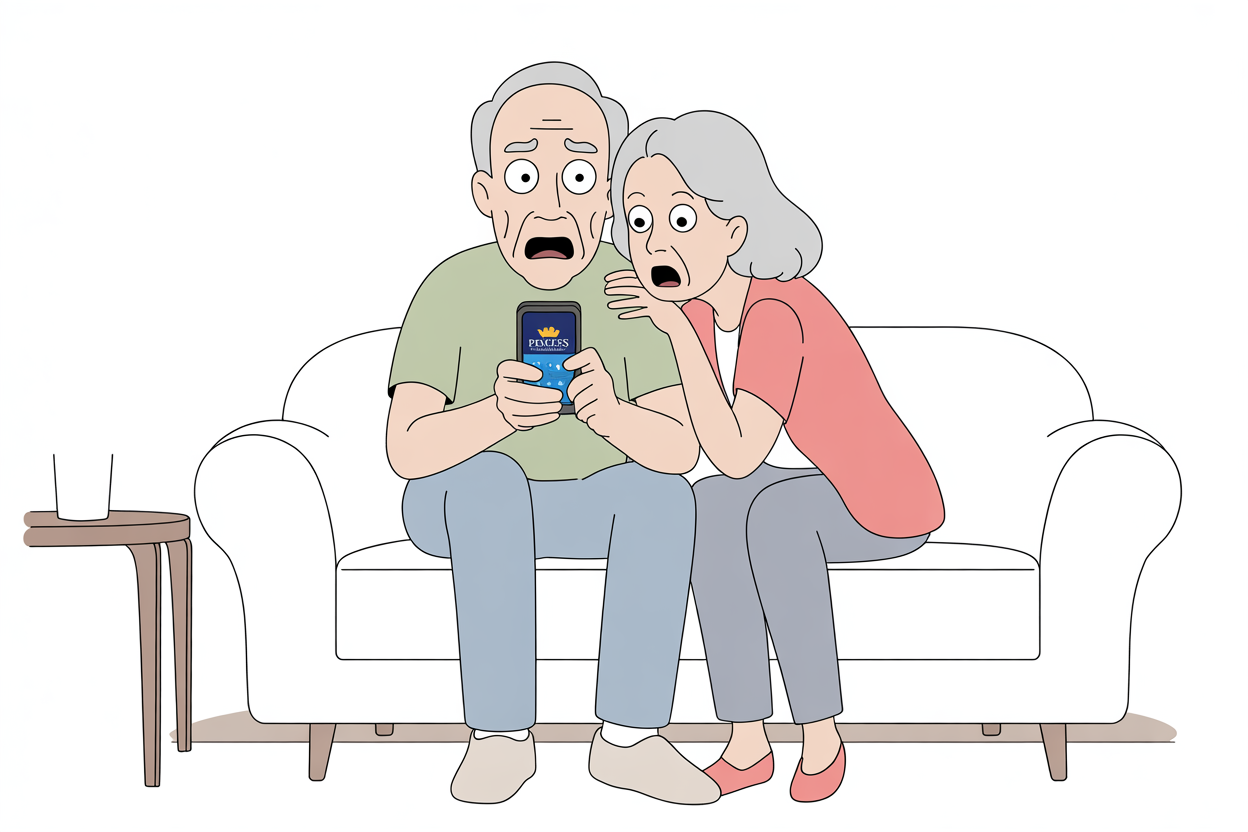
Cartoon of a shocked older couple sitting on a couch staring at a phone showing the Princess Cruises app, reacting to news that their booking has gone wrong.

He paid $2,369 for his cruise, but Princess canceled the reservation anyway

Robert Battaglia paid $2,369 for a Panama Canal cruise with Princess, booked through a travel agent, and he and his wife Norma paid the final balance a day before it was due. Two days later, he opened the Princess app and the reservation was gone. When his travel agent called, a representative said the couple were in default for nonpayment and owed roughly $2,000 more, though no one could say where the charge came from. It eventually traced back to a Princess Plus upgrade his wife had tried to add online, only for the website to report that the purchase failed and tell her to handle it later. Princess canceled the booking anyway and kept $1,298 as a cancellation fee, even though the account showed no balance due and the agent could see no pending charge. Here is the principle worth holding onto before you accept a cancellation like this: when a customer pays on time and the company’s own statement shows nothing owed, the burden is on the company to explain any later charge before it takes punitive action, not after.

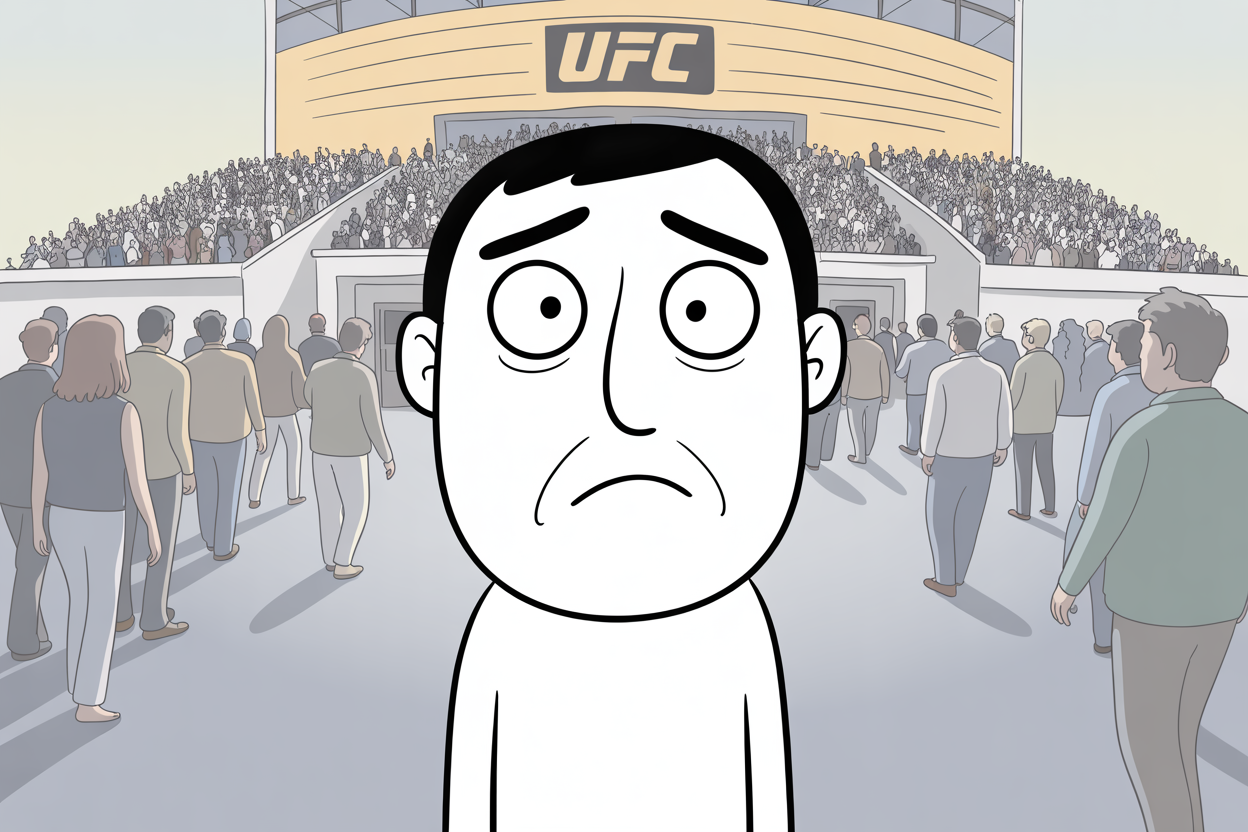
Cartoon of a glum man standing alone outside a packed UFC arena as crowds stream past him to the entrance, illustrating a fan shut out of an event he paid for but could not attend.

StubHub’s FanProtect guarantee fails: The $4,606 ticket he never got

Roland Nazariyan paid $4,606 to see a UFC fight, and he missed the main event. He had ordered three tickets through StubHub on the day of the fight, and when none of them arrived in time, he called the platform. It refunded the first two orders after he sent screenshots showing the tickets were never delivered. The third and most expensive order sat in limbo, marked as in final escalation, and then came back denied: a seller had claimed the ticket was transferred, and StubHub told him he had never even contacted the company about it, despite its own emails in the thread asking him for proof. Here is the standard worth holding any reseller to before you accept a denial like this. StubHub’s FanProtect guarantee promises that you will get your tickets in time for the event, and if not, comparable or better tickets or your money back. A guarantee, in other words, is only as good as a company’s willingness to honor the words it is built on.

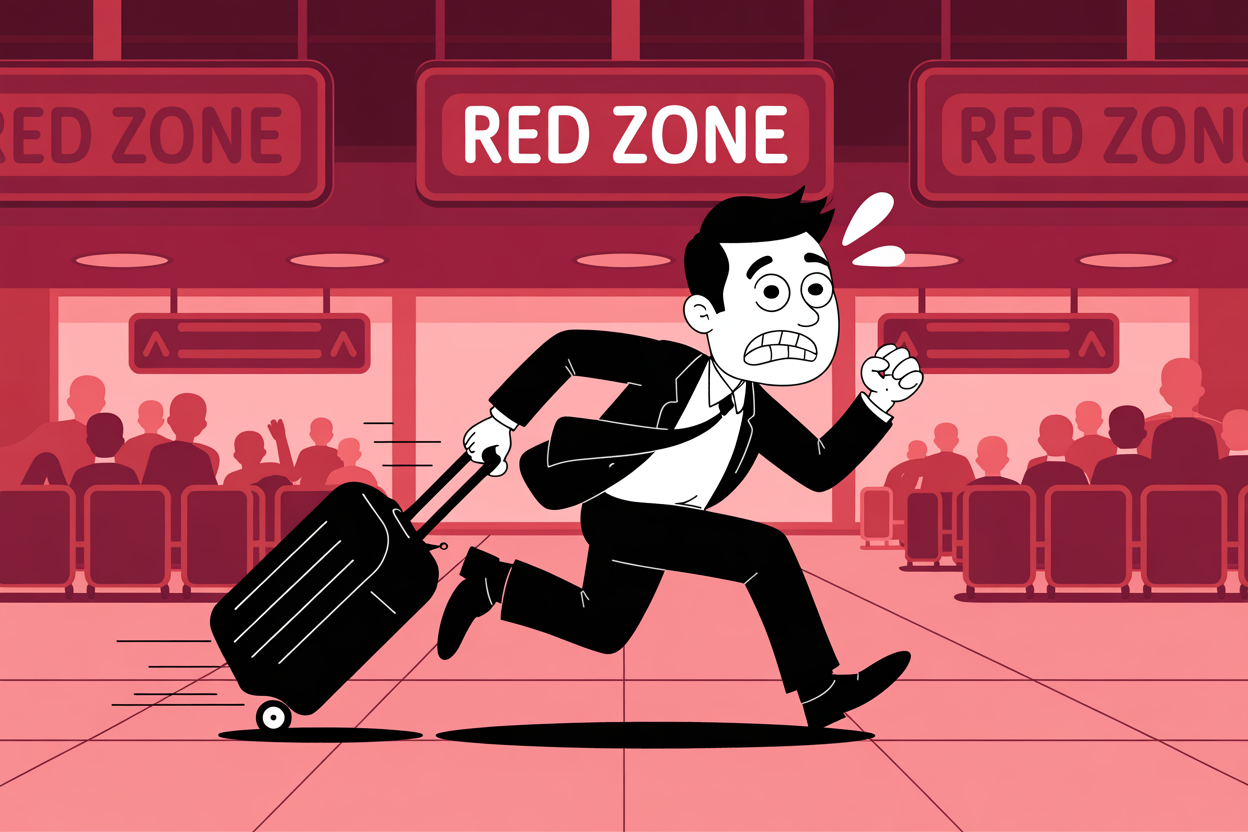
Cartoon of a panicked business traveler in a suit sprinting through an airport terminal dragging a rolling suitcase, with large RED ZONE signs overhead and a tense crowd waiting behind him.

The red zone: Why this part of air travel makes even the pros lose it

The red zone is that anxious stretch from your front door to your airplane seat, where normal people turn into nervous wrecks. It is a blur of high-stakes, time-sensitive decisions that overloads your brain, and it is stressful enough that most couples in one recent survey called travel the ultimate relationship test. It has even given rise to the airport divorce, where partners deliberately separate after security just to avoid an argument. We have all seen it: the passenger shouting at a gate agent over a delay, the family sprinting through the terminal with shoes half on, the quiet sob at the gate when a flight is canceled. With air travel booming this summer, the red zone is only getting more intense. There is real science behind why a security line can hijack your nervous system, and the surprising part is that even the most seasoned travelers, the ones with passports full of stamps, are not immune to it.

Minimalist black and white cartoon of a lone traveler with a rolling suitcase standing outside a nearly empty airport terminal, looking uncertain, evoking a trip thrown into limbo.

Let’s keep politics out of your summer vacation

Steve Brody is flying out of Newark this week, and he is worried. There are plans afoot to pull the Customs and Border Protection officers out of airports in certain cities, with Newark Liberty International first in line. Brody, a retired government worker, is flying nonstop to Vancouver, but he has to pass back through US Customs on his return. “Gimme strength,” he says. He is not being dramatic. Customs officers are the people who let you back into the country, and pull them out and international flights cannot unload their passengers. That is the part that should bother everyone, left, right, and undecided. A passport does not have a party affiliation. When a flight gets canceled, the system does not check your voter registration before it strands you. You are stuck. Which is the real question worth sitting with before your next trip: whether the airport you are counting on this summer should ever be something an administration is allowed to switch off to win an argument that has nothing to do with you.

Black and white cartoon of a woman with wild, disheveled hair glaring angrily near an airport check-in counter as a wary uniformed agent watches her from behind the desk. airline blacklist

Is it time for an international blacklist of problem passengers?

If an airline bans you for screaming at a flight attendant or trying to open a door at altitude, you can usually walk to a competitor’s counter and buy a ticket. Britain wants to put an end to that, and its actions may ripple across the Atlantic. The Department for Transport and the Home Office are reportedly working on a national system that would let UK airlines share details of serious offenders, so a person barred by one carrier could be flagged at check-in by another. A trade group has welcomed it, and a budget carrier has been lobbying for exactly this kind of database. On its face it sounds like common sense: keep the dangerous few off everyone’s planes. But a shared ban list raises harder questions than the headlines admit, starting with the ones that decide whether it protects passengers or quietly turns into something else: who decides who belongs on it, what counts as unruly, and if an airline flags you and you think it is wrong, who exactly do you appeal to?

Two repurposed concrete grain silos in Copenhagen converted into modern office space, an example of the city's adaptive reuse of old industrial buildings.

Sustainability you can feel: Copenhagen’s Nordic take on green tourism

If you want to understand why Copenhagen is so often called one of the most sustainable cities in the world, you have to look past the slogans and into the showers, the warehouses, and the old shipyards. At one hotel, every room has a futuristic shower built on water-recycling technology first developed for a Mars mission, regulated by a Nest-like dial at waist level. Across town, a small urban warehouse grows tens of thousands of kilos of gourmet mushrooms on a fraction of the water that traditional farming demands, feeding some of the city’s best restaurants. In a former port district, architects are deliberately shrinking apartments and reusing ammunition stores and grain silos rather than tearing them down. Each project sounds like a novelty on its own. But together they hint at a single Nordic idea about how a city, and the people who visit it, might choose to live with less.

Illustration of an unhappy woman holding up two pale blue dresses on hangers over an open cardboard shipping box, preparing to return the gowns she ordered online.

I returned $3,990 in designer dresses — then my refund vanished

Debbie Rivet ordered the same evening gown from the London designer Safiyaa in two sizes, the Serendipity Pale Blue Long Dress at $1,995 each, planning to keep whichever fit and send back the other. When the dresses arrived, the fitted style was wrong for her occasion, so she requested a return authorization, shipped both back by FedEx, and kept the receipts proving delivery. Then she waited for her refund. And waited. Her follow-up emails went unanswered, the phone line dropped to voicemail and disconnected, and when she filed a dispute with Capital One the bank reversed its initial credit, saying too much time had passed. There is a rule worth committing to memory before you give a silent company the benefit of the doubt: under the Fair Credit Billing Act, you generally have only 60 days from the statement date to dispute a charge in writing, and the longer you wait for a reply that may never come, the closer that protection slips toward expiring.