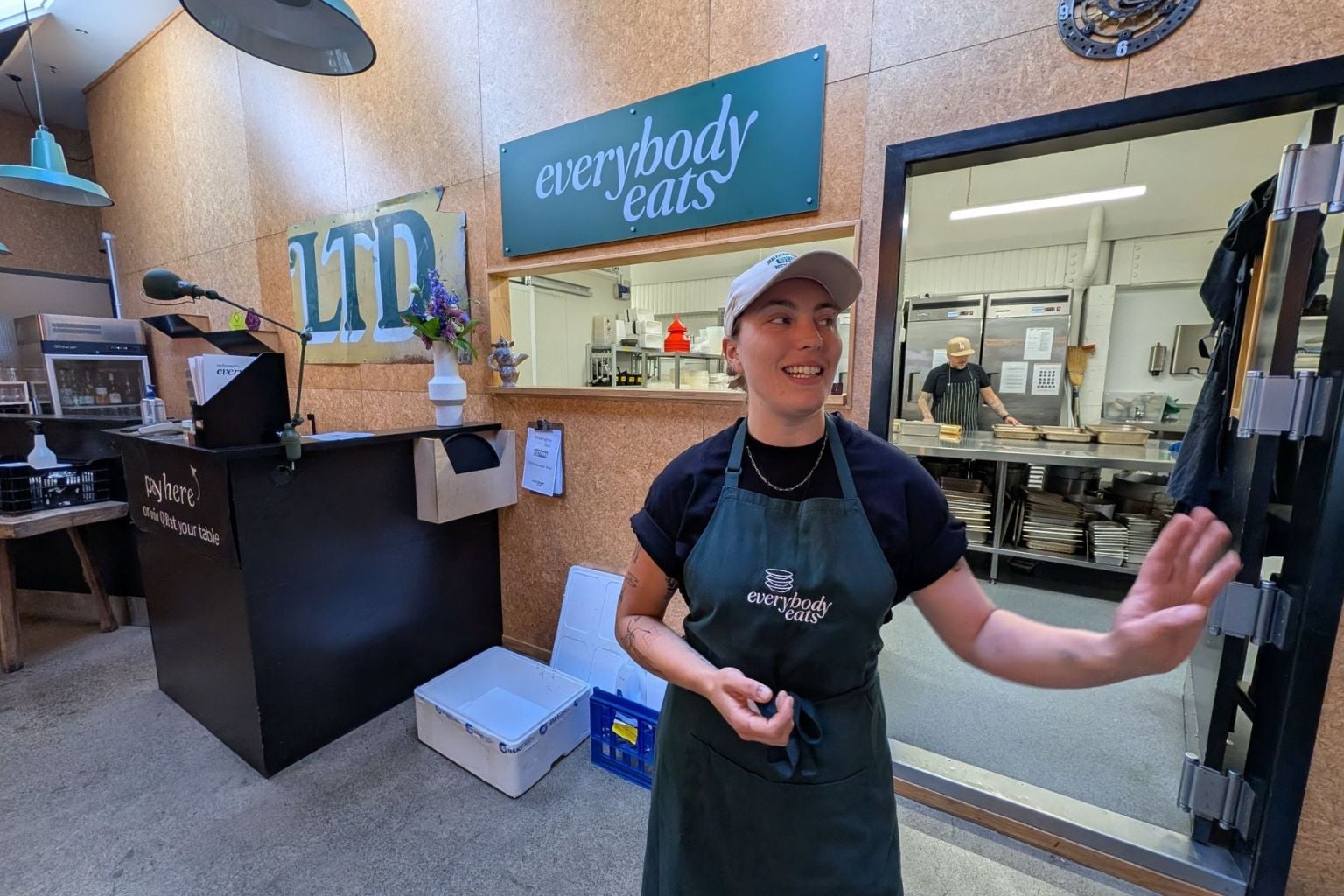
Harri Fletcher, the head chef at Everybody Eats in Wellington, New Zealand.

Can Wellington become the world’s first zero-waste capital?

Inside a busy kitchen on Dixon Street, the head chef at Everybody Eats is turning what most restaurants throw away into three-course meals. It is one corner of a much larger experiment: Wellington, New Zealand’s capital, is trying to become the world’s first zero-waste capital, and it is doing it so quietly that most visitors never notice. To arrive here now is to step into a living laboratory for sustainable travel, a place where being green means cutting waste, saving energy, and lowering emissions, often entirely behind the scenes. A pay-as-you-can restaurant where a homeless guest might share a table with the prime minister. Hotels that have swapped single-use plastics for refills. A community hub built around repair and reuse, and a national museum that folds zero-waste principles into everything it does. The city is betting that a greener way to travel can feel less like a sacrifice and more like simply walking its compact, cafe-lined streets, and that visitors who show up are part of proving it can work.
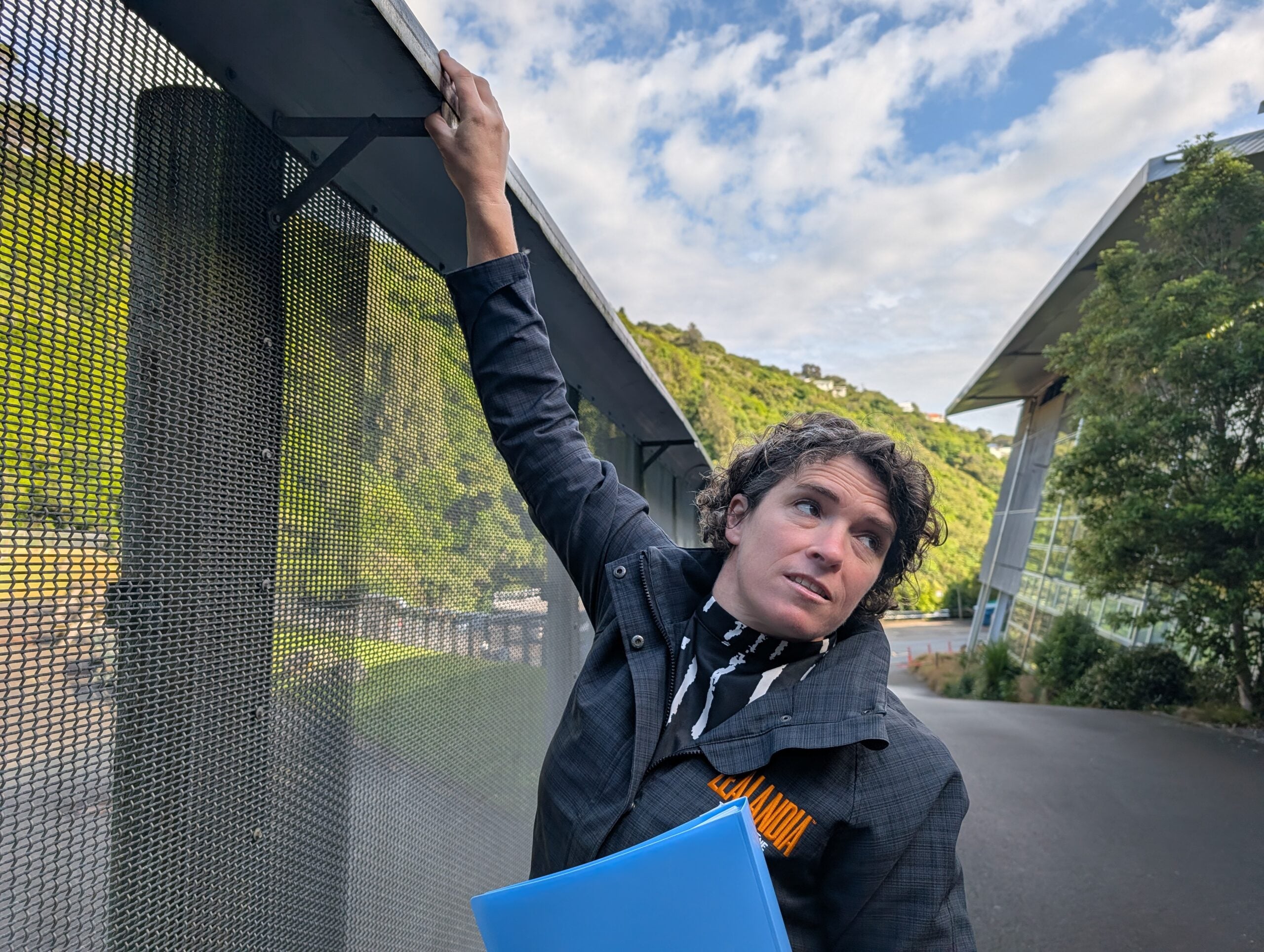

Danielle Shanahan, Zealandia’s CEO, shows a visitor the innovative fence surrounding the ecosanctuary in Wellington, New Zealand.

A New Zealand ecosanctuary with a 500-year plan to turn back the clock

A single mouse once redefined the borders of Zealandia. Researchers testing prototype fencing watched a rodent wrap its tail around a screw, swing its body, and haul itself over the top, a feat of gymnastics that helped engineers design the 5.3-mile barrier that now encircles this 556-acre valley above Wellington, New Zealand. Its team calls it the world’s first fully fenced urban ecosanctuary, an attempt to turn back the clock to a time before mammals ever reached these islands. For more than a century the valley supplied the capital’s drinking water, and before that it was scarred by failed gold mines and stripped for farmland. Now it is something stranger: a place where rare native birds and a reptile from the age of dinosaurs are returning, just a short cab ride from the city’s best coffee shops. But the sanctuary sits directly on a major fault line, and the woman who runs it is working toward a 500-year plan she knows she will never see completed.

Editorial cartoon illustration of an exasperated young man with messy brown hair and large round glasses looking upward in defeat while surrounded by towering stacks of white paper documents piled high on both sides and in front of him, illustrating the frustration of repeatedly submitting the same documents to a travel insurance company that refuses to process the claim

Why is my insurance company asking for the same documents over and over and over?

John Christensen developed Deep Vein Thrombosis after his flight from Albuquerque to Auckland. He spent three days hospitalized in New Zealand and racked up $3,867 in medical bills before filing his Allianz Global Assistance travel insurance claim two weeks later. Five months passed while Allianz repeatedly asked for documents he had already submitted multiple times, with the claim status cycling back to “more information needed” without explanation. Most state insurance regulations require insurers to acknowledge claim receipt within 15 days and approve or deny within 30 to 45 days of receiving complete documentation. State insurance commissioners handle consumer complaints when insurers delay payment without specific explanation.