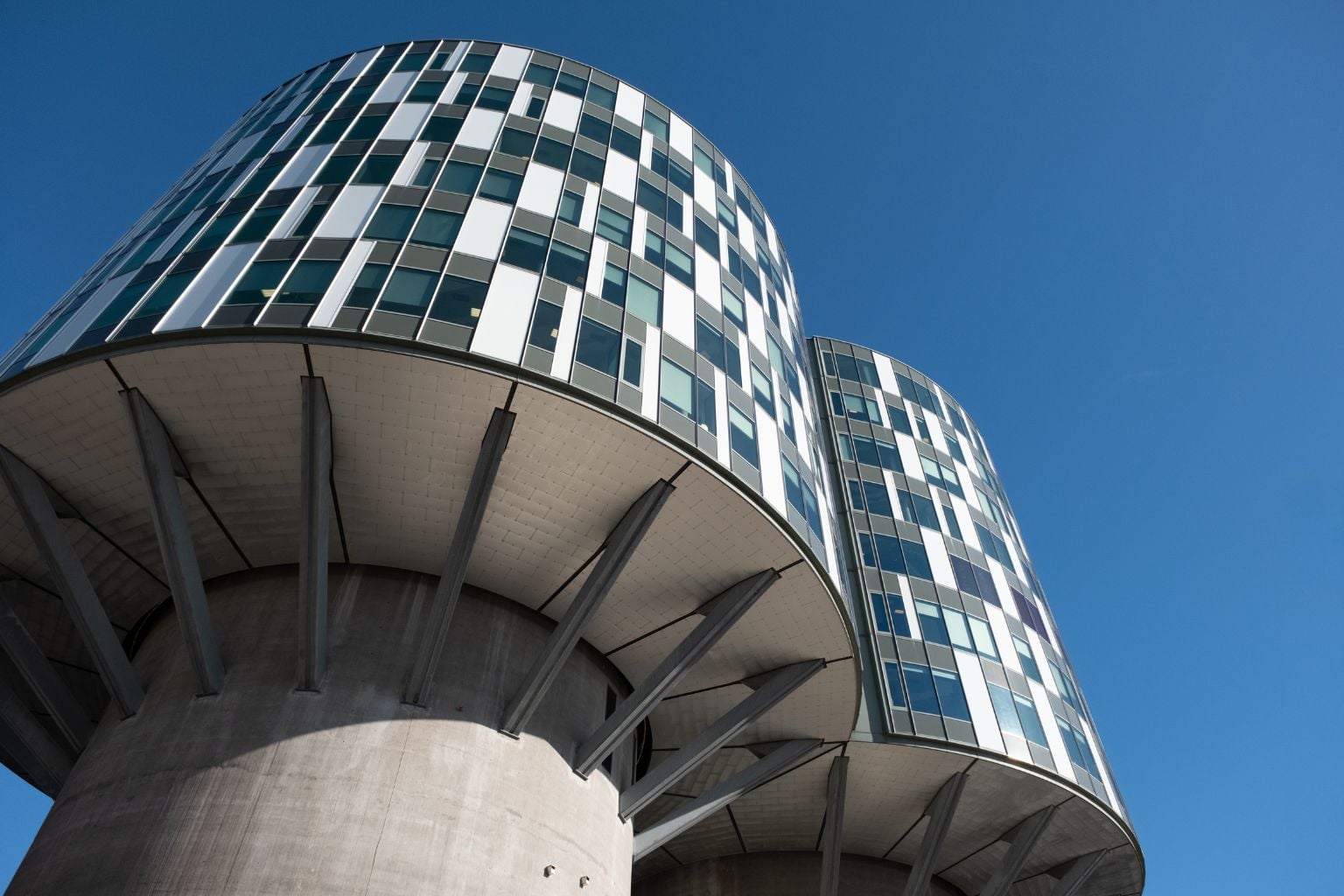
Two repurposed concrete grain silos in Copenhagen converted into modern office space, an example of the city's adaptive reuse of old industrial buildings.

Sustainability you can feel: Copenhagen’s Nordic take on green tourism

If you want to understand why Copenhagen is so often called one of the most sustainable cities in the world, you have to look past the slogans and into the showers, the warehouses, and the old shipyards. At one hotel, every room has a futuristic shower built on water-recycling technology first developed for a Mars mission, regulated by a Nest-like dial at waist level. Across town, a small urban warehouse grows tens of thousands of kilos of gourmet mushrooms on a fraction of the water that traditional farming demands, feeding some of the city’s best restaurants. In a former port district, architects are deliberately shrinking apartments and reusing ammunition stores and grain silos rather than tearing them down. Each project sounds like a novelty on its own. But together they hint at a single Nordic idea about how a city, and the people who visit it, might choose to live with less.
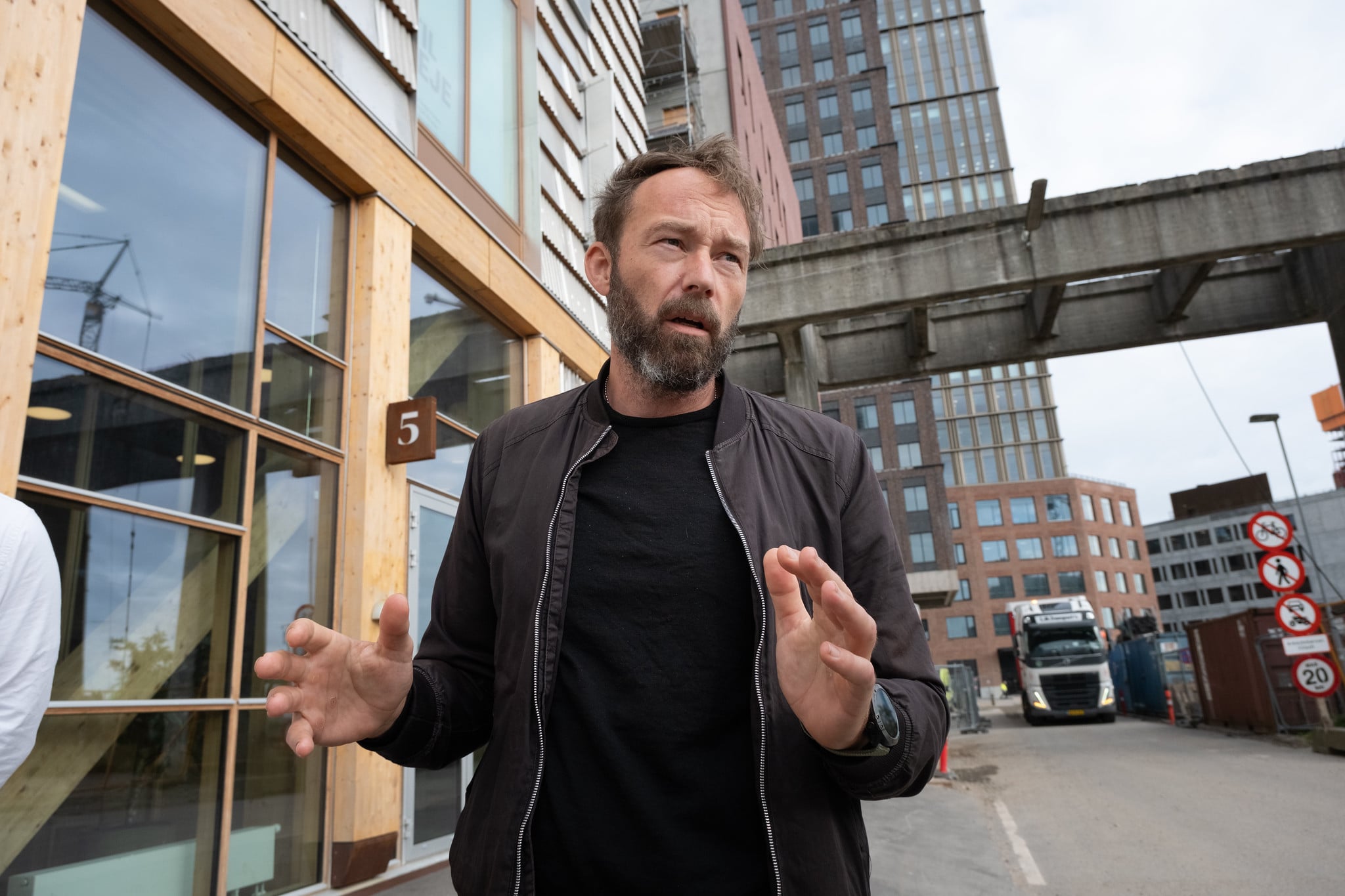
Architect Anders Lendager with a graying beard and dark bomber jacket gesturing with both hands as he speaks in front of his timber-clad TRÆ office building in the Sydhavnen port district of Aarhus, Denmark, with the wooden facade and large windows visible on the left and modern high-rise buildings, a construction crane, and a freight truck in the background under an overcast sky

Wooden skyscrapers, next-level recycling: How Aarhus wants to become one of the most sustainable cities in the world

Aarhus is often described as Denmark’s second city, but it is quietly trying to become something more difficult to define. Behind its cafés, port cranes, hotels and waterfront developments is a city testing how far sustainability can be pushed into ordinary urban life. Its energy system has already moved away from coal, its heating network is being reshaped by geothermal plans, and even its waste, cruise terminals and new buildings tell a larger story about how climate ambition works when it leaves policy documents and enters daily infrastructure. From the Port of Aarhus to the Sydhavnen district, from Randers’ rainwater systems to ecolabelled hotels and low-impact stays near Mols Bjerge National Park, the region offers a closer look at what a greener city can become when design, energy, tourism and waste management all start moving in the same direction.

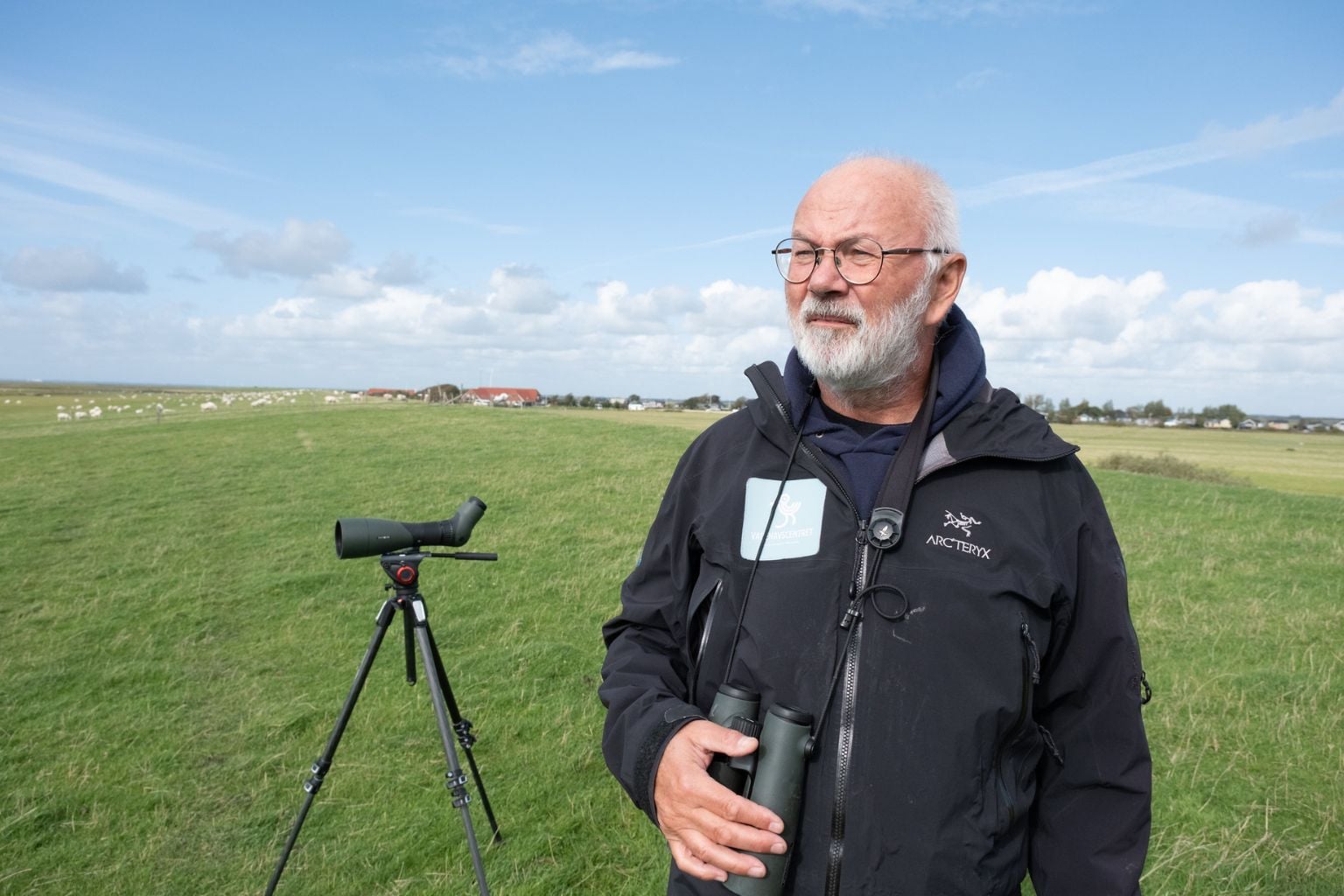
Klaus Melbye, director of the Wadden Sea Centre, surveys wildlife at a dike in Wadden Sea National Park.

Sustainable tourism: Can visitors save Denmark’s Wadden Sea?

Denmark’s Wadden Sea National Park is pioneering radical climate adaptation by considering strategic retreat instead of building taller dikes. The UNESCO World Heritage Site spans Denmark, Germany, and the Netherlands, hosting up to 15 million migratory birds annually on the East Atlantic Flyway. Sea levels could rise 1.5 feet over the next 50 years. The park encourages tourists to forage invasive Pacific oysters that displace native blue mussels, with free guided oyster tours running from October to March. The conservation strategy operates entirely through voluntary partnerships with local landowners.