It’s time to kill the passport
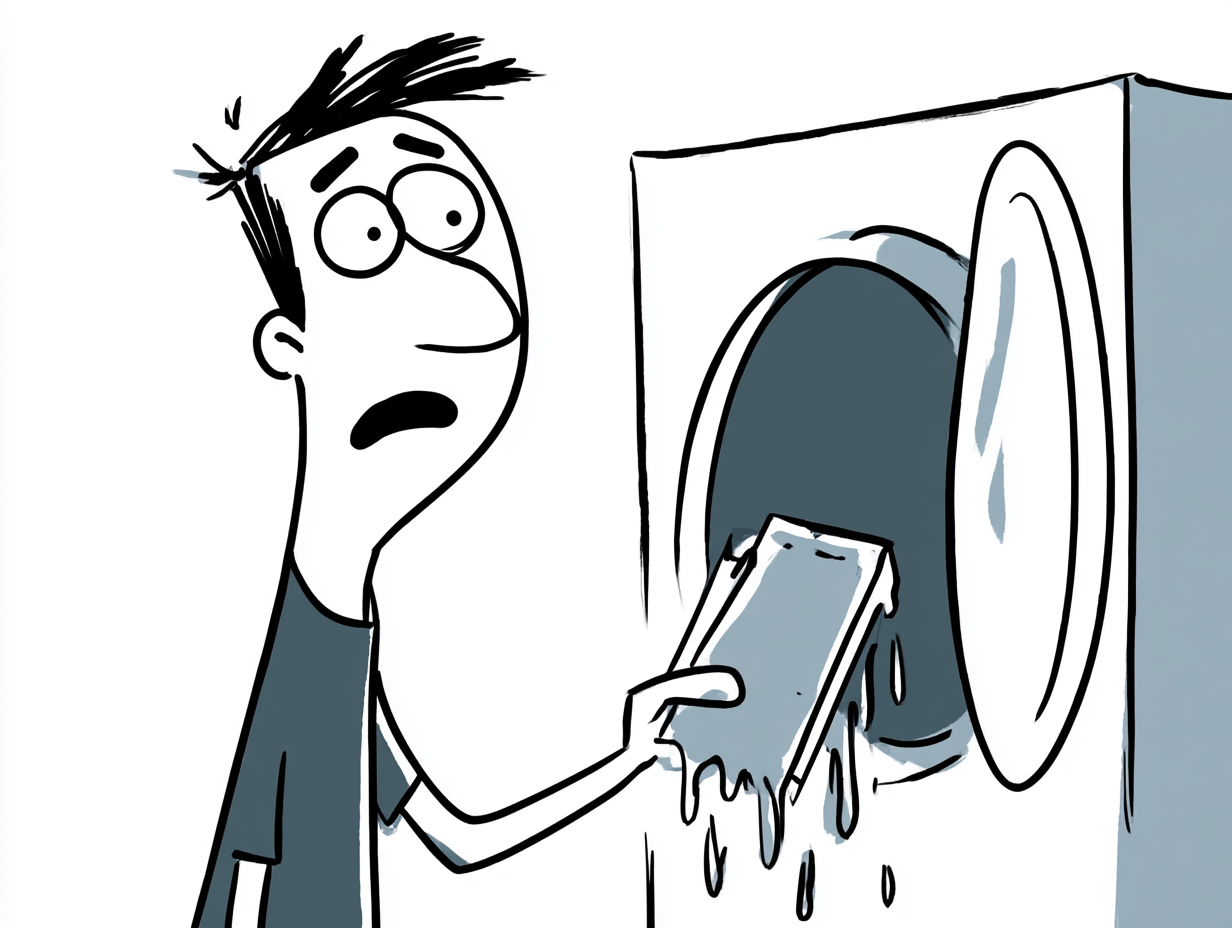
A U.S. passport went through the wash during a week in Singapore, half a cycle on heavy duty before its owner remembered it was in a back pocket. State Department guidance is clear that significant damage, including water exposure, voids a passport, which means applying in person at a U.S. embassy, paying a $130 fee, and racing to get a replacement before an upcoming border crossing into Malaysia. The mishap raises a larger question: why do travelers still depend on a fragile paper booklet at all? Hundreds of thousands of U.S. passports are reported lost or stolen each year, and modern borders already scan faces, fingerprints, and travel history in milliseconds. More than 150 countries now issue electronic passports with embedded chips, yet those documents remain physical objects vulnerable to washing machines and pickpockets. A few countries have started clearing travelers with facial and biometric checks alone, suggesting the chip, not the booklet, has become the real document. The question is what it would take for the United States to follow.