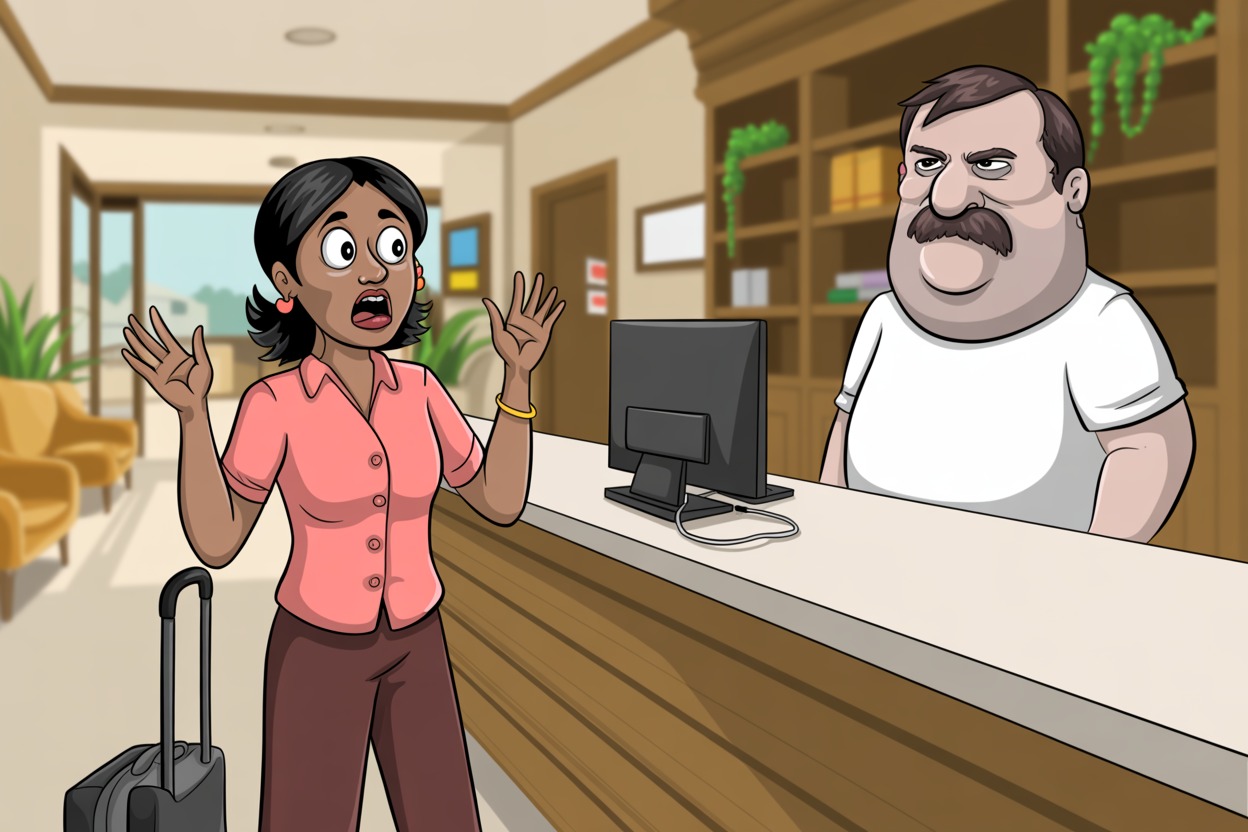
Cartoon of a dismayed traveler with a suitcase pleading at a reception desk while an unsmiling clerk stands with his arms folded.

Is this the worst check-in policy in the history of travel?

Alison Palkhivala was ready for pretzels, polka, and a pint. She had booked a Munich apartment through Booking.com for Oktoberfest, and three days before her arrival she noticed the line she had skimmed past. Check-in was strictly between 7 a.m. and 9 a.m. Read that again. Not 7 p.m. Not “after 3 p.m.” A two-hour window first thing in the morning, when most travelers are either asleep or looking for coffee. Her flight did not land until 10. She messaged the host and offered everything she could think of, a lockbox, a later handover, even collecting the key the next morning and writing off the first night entirely. The answer was no. The host canceled the booking outright and kept roughly $1,000 under the cancellation penalty. Booking.com declined to intervene, saying the policy was valid. So she stood in a foreign city during its busiest week of the year with no room and no money, holding a reservation she had agreed to in every respect except the one nobody could have met.
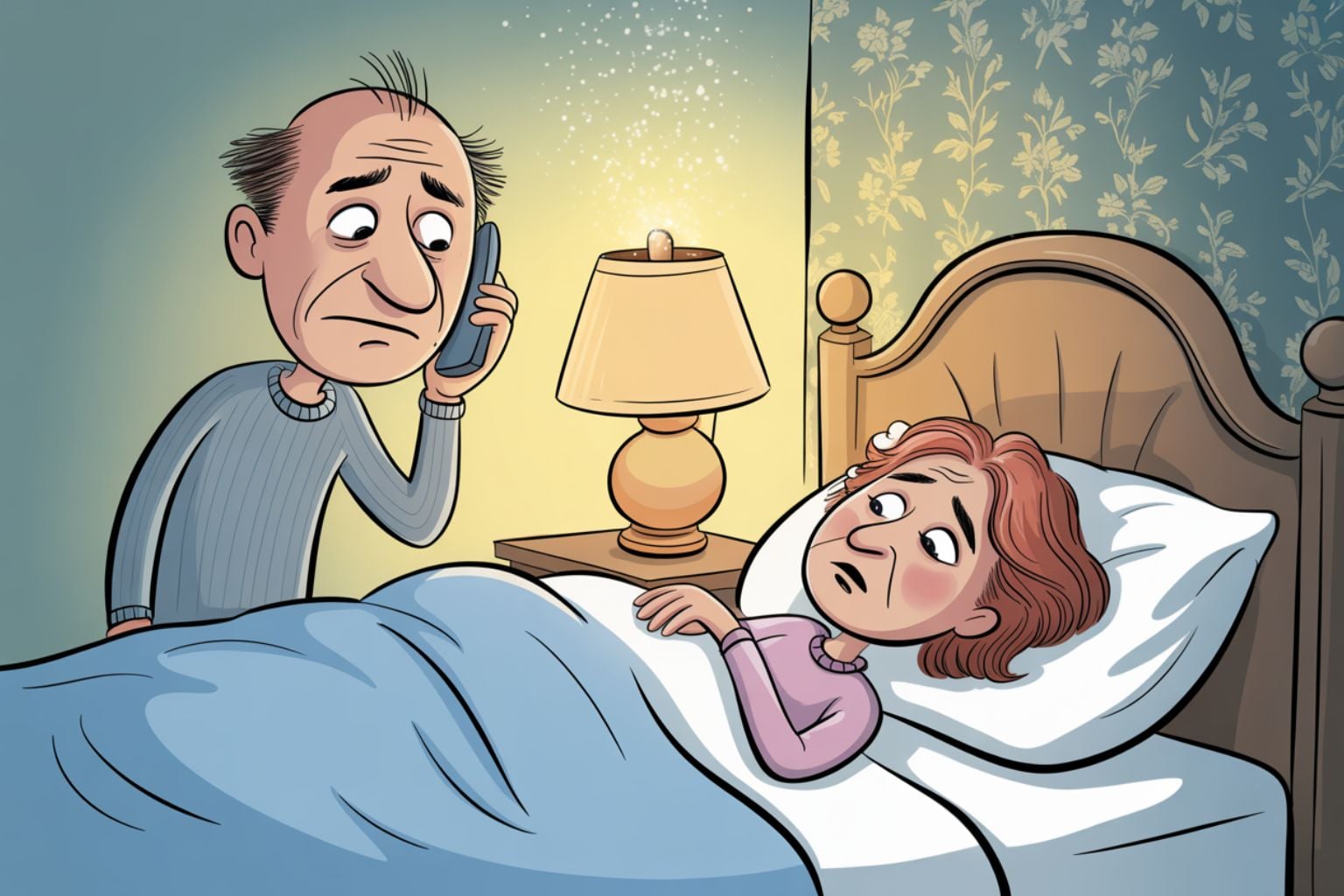
When Bill Chellis's wife was hospitalized with pneumonia on their hotel check-in day, he immediately called Hampton Inn in Great Falls to cancel. The hotel charged him the full $173 anyway, citing late cancellation policy. He called Hilton customer service, wrote to corporate offices, and sent certified letters, but received no response for months. Hotels can legally enforce cancellation policies even for medical emergencies, but state consumer protection laws may require companies to act in good faith when customers provide documentation.

Hampton Inn charged me for a canceled room after my wife was hospitalized. Can I get my money back?

When Bill Chellis’s wife was hospitalized with pneumonia on their hotel check-in day, he immediately called Hampton Inn in Great Falls to cancel. The hotel charged him the full $173 anyway, citing late cancellation policy. He called Hilton customer service, wrote to corporate offices, and sent certified letters, but received no response for months. Hotels can legally enforce cancellation policies even for medical emergencies, but state consumer protection laws may require companies to act in good faith when customers provide documentation.