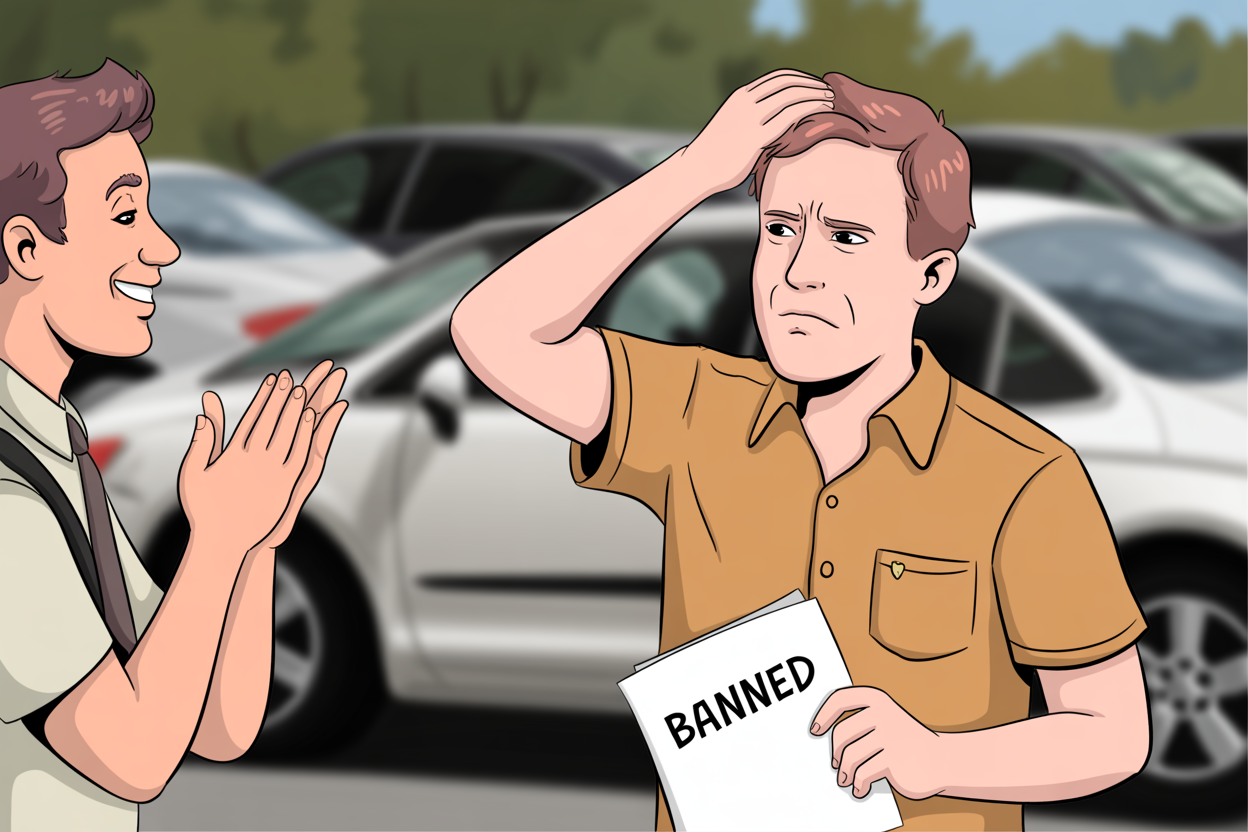
Cartoon of a distressed man holding a paper marked "BANNED" and clutching his head in a rental car lot, while a smiling rental agent gestures beside a row of cars.

Banned for a century: How one driver beat the car rental blacklist

Carlos Brown walked up to the rental counter in Cleveland expecting a car. Instead, he got a lifetime ban. A state transportation specialist who had rented dozens of cars that year alone, every payment cleared and every car returned without a scratch, Brown watched the agent’s computer crash, heard her read his license details to headquarters, and learned in that moment that he was on the company’s Do Not Rent list. His loyalty account was terminated on the spot over a mistake from years earlier. Brown’s case pulls back the curtain on the hidden world of rental car blacklists: proprietary “Do Not Rent” lists that can bar you from every brand a company owns. The reasons vary, from unpaid bills to damage claims to simply being rude to an employee, and unlike your credit report, you have no legal right to see the file or dispute it. The Federal Trade Commission does not regulate these lists. Companies do not have to give you a hearing. They can just say no.
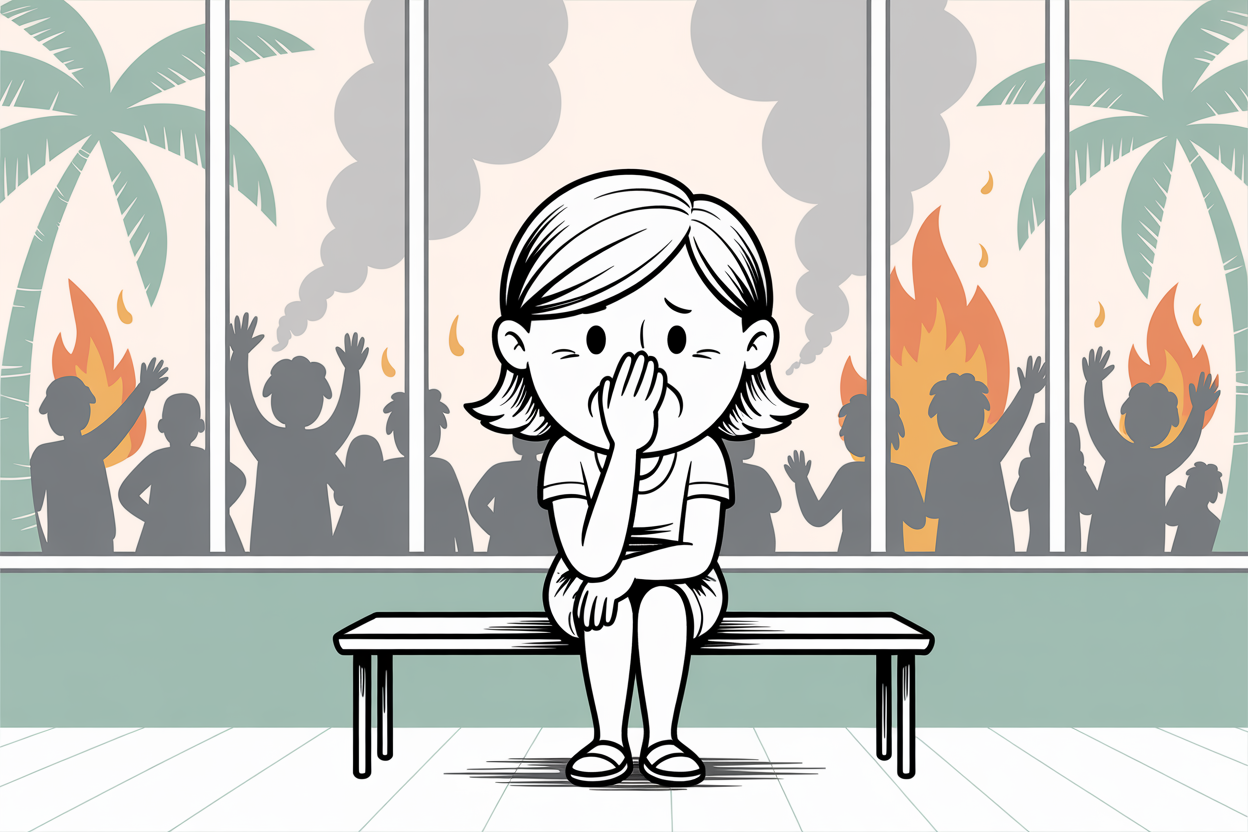

Illustration of a worried young traveler sitting inside an airport as smoke, flames, and panicked crowds appear outside the windows.

When your vacation turns dangerous: How do you know it’s time to leave?

Kate McCulley, a journalist based in Prague, knew it was time to leave Madagascar. Flights were getting canceled, protests had moved outside her hotel in Antananarivo, and the country was on the verge of a military coup. The police blanketed the neighborhood in tear gas. After several days of trying, she finally caught a flight to Réunion. Most travelers face a much harder version of her call. After months of planning and thousands of dollars spent, deciding whether to cut a vacation short when conditions shift is rarely simple. Civil unrest, a natural disaster, a sudden spike in crime, or a slow drift in local sentiment can each push a manageable risk toward a real threat. Government advisories often lag behind reality on the ground, tour operators have an interest in downplaying risk, and standard travel insurance generally will not cover a trip cut short on fear alone. There is no algorithm for the stay-or-leave decision, but security professionals point to clear early triggers that separate a manageable situation from a dangerous one, if travelers know what to watch for.