Who pays for a flat tire on a Turo rental? It’s complicated
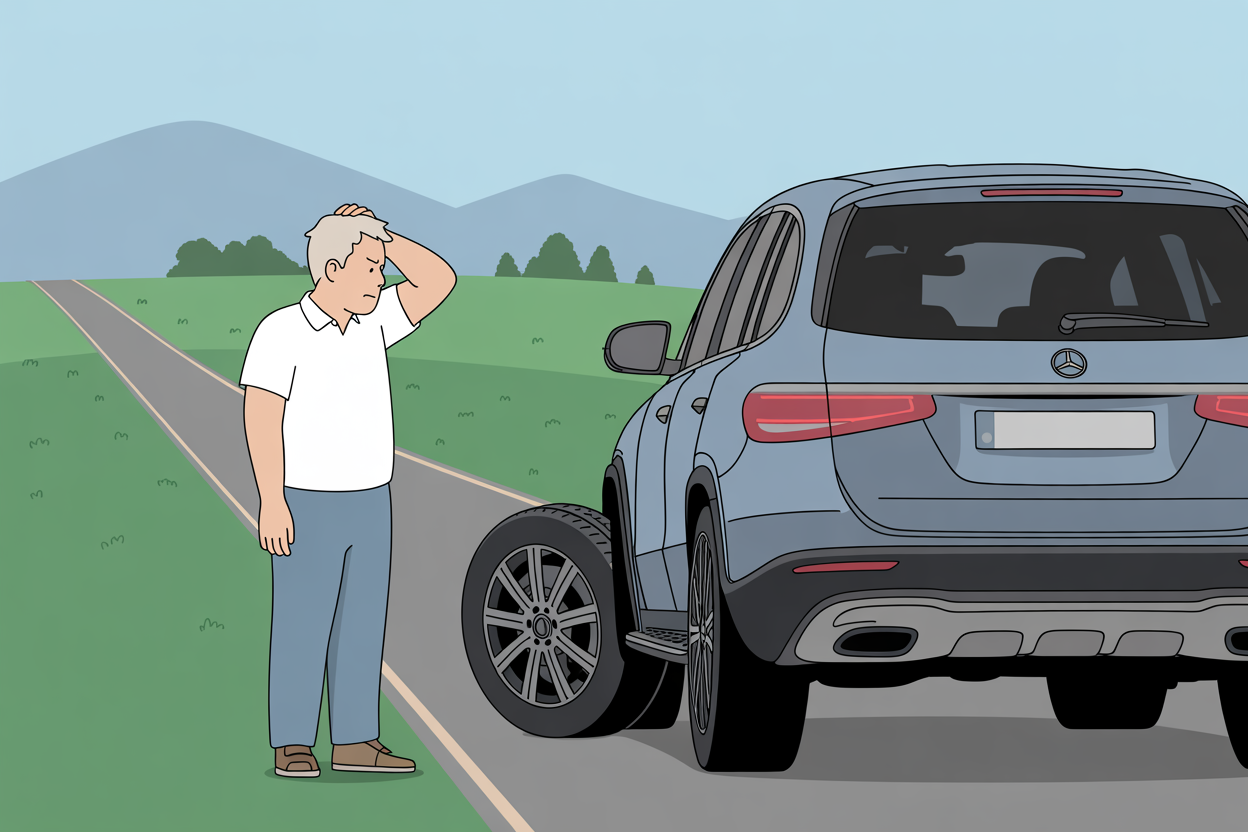
Brent Marcelino faces a terrifying blowout in a Mercedes with bald tires. Instead of an apology, Turo sends him a bill for the damage. Does he have to pay?
The Travel Troubleshooter is a weekly consumer column that solves travel problems. Missing cruise refunds, lousy airline service, car rental surcharges — it’s all fair game for this feature. Each story presents a problem and fixes it in a quick Q&A format.
Brent Marcelino faces a terrifying blowout in a Mercedes with bald tires. Instead of an apology, Turo sends him a bill for the damage. Does he have to pay?
Carol Bartell booked a flight from Tijuana to Hermosillo on Viva Aerobus, and the airline canceled it. When she asked for her money back, the carrier would not simply reverse the charge on her American Express card. It insisted on wiring the refund to a US bank account instead. So she looked up a SWIFT code for her credit union online and sent the details across. Two problems followed. Her credit union does not use the SWIFT system at all, and the airline transmitted a different code than the one she had supplied. Her $844 landed at Navy Federal Credit Union, where she is not a member and where nobody could help her. Emails to customer service and to the chief executive went unanswered, so she filed a formal complaint with PROFECO, Mexico’s consumer protection agency.
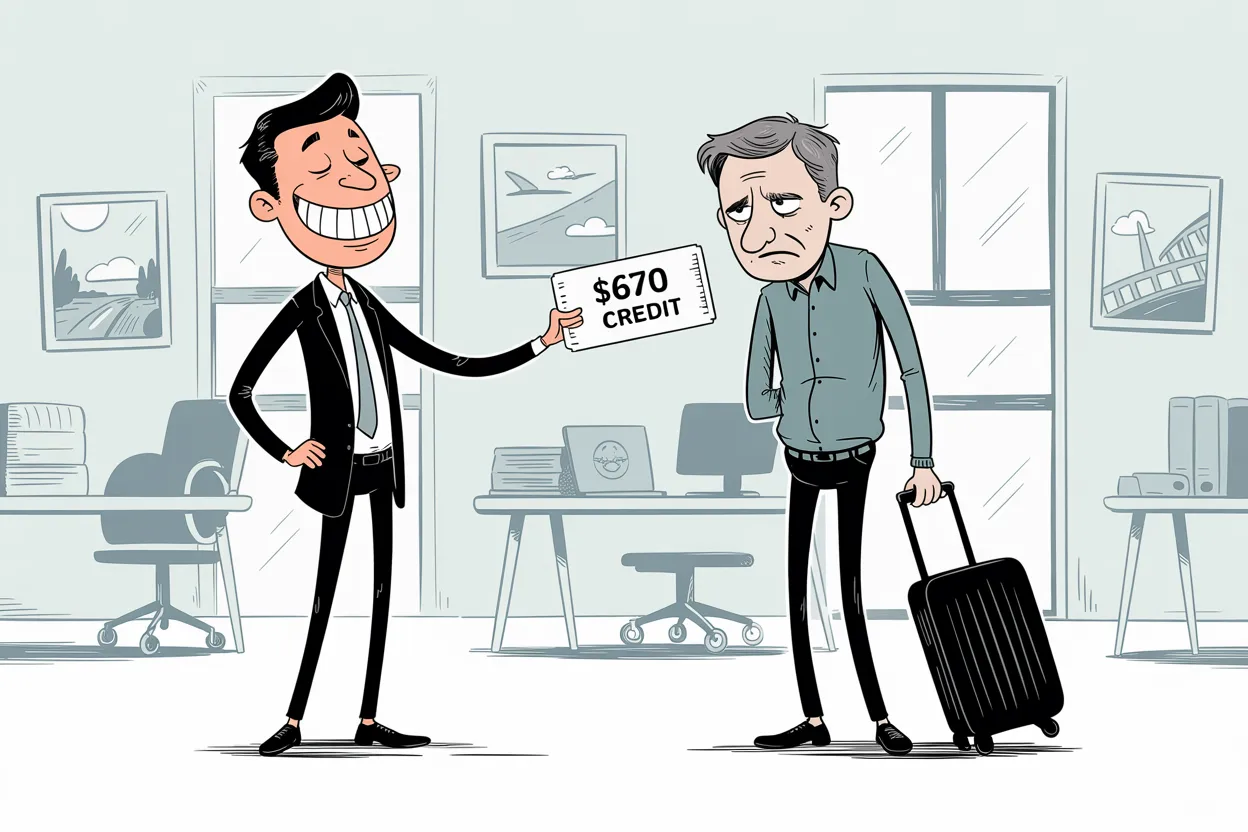
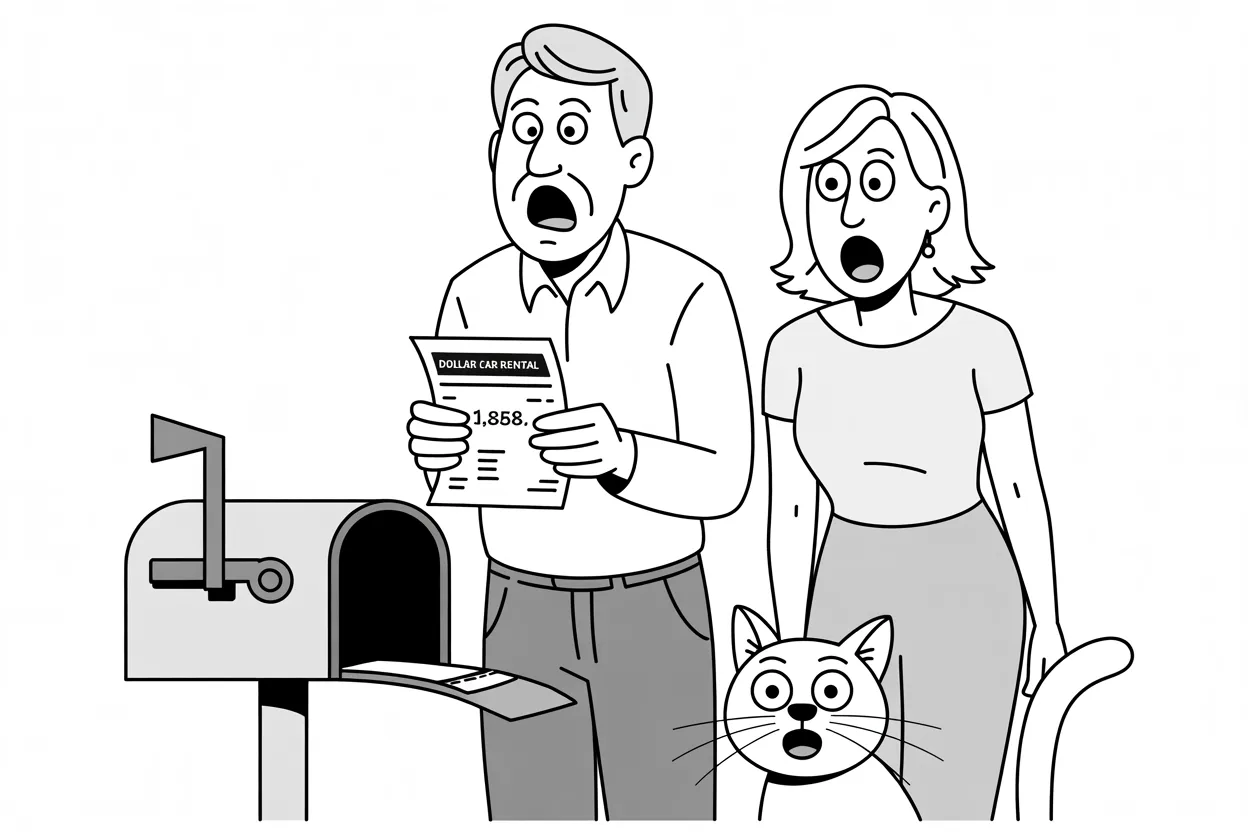
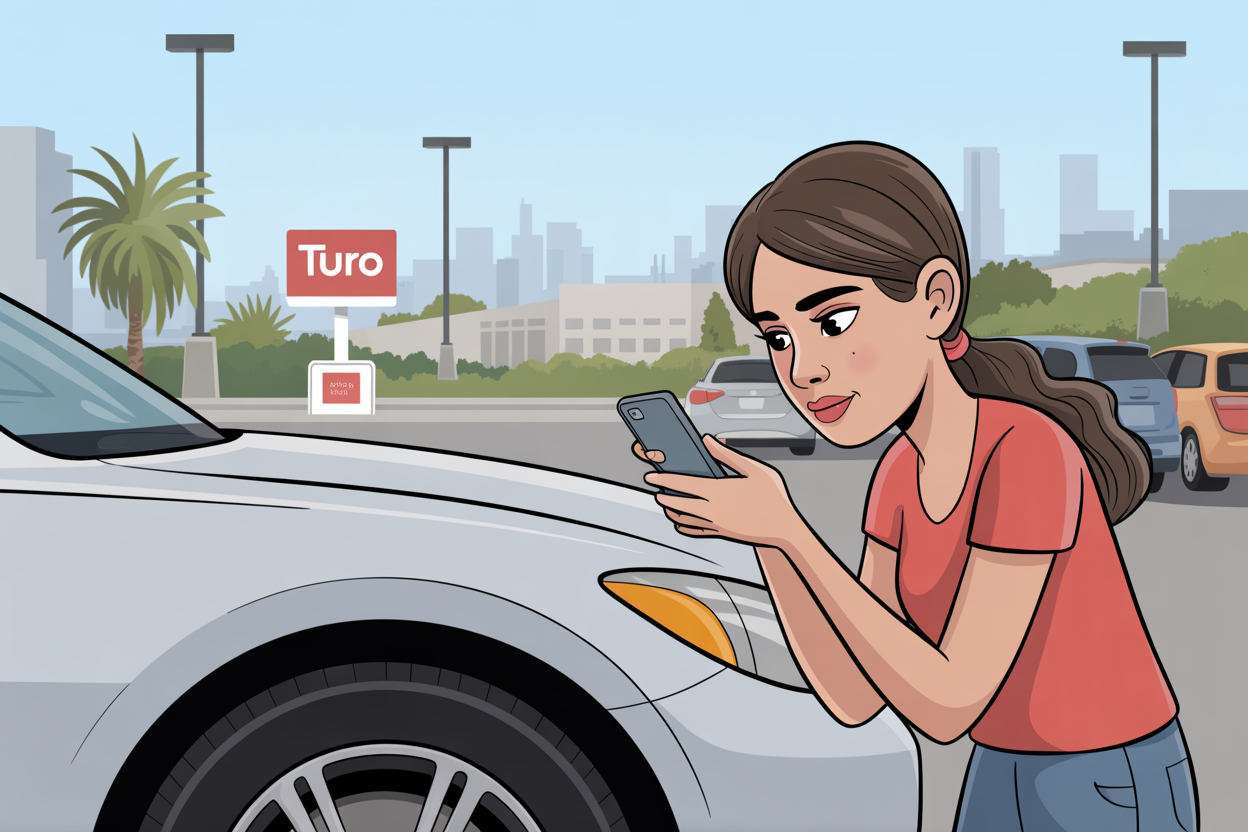
Georgina Montalvan rented a car through Turo in Los Angeles and dropped it off a day early so she could catch an earlier flight home. The next day a text arrived: the owner said she had damaged it. Turo sent photos showing a scratch on the fender and a small hole in the bumper. But Montalvan had done the one thing that should end an argument like this. She had photographed the car when she picked it up, and her pictures showed the scratch was already there. She sent them in, Turo reviewed the evidence, and the claim was dropped as normal wear and tear. That should have been the end of it. A week later Turo reopened the claim and charged her credit card $660, with no itemized bill. Then came a second invoice, this one for $1,678, for what the company described as hidden damage, illustrated with a photo of a larger hole she says she had never laid eyes on.
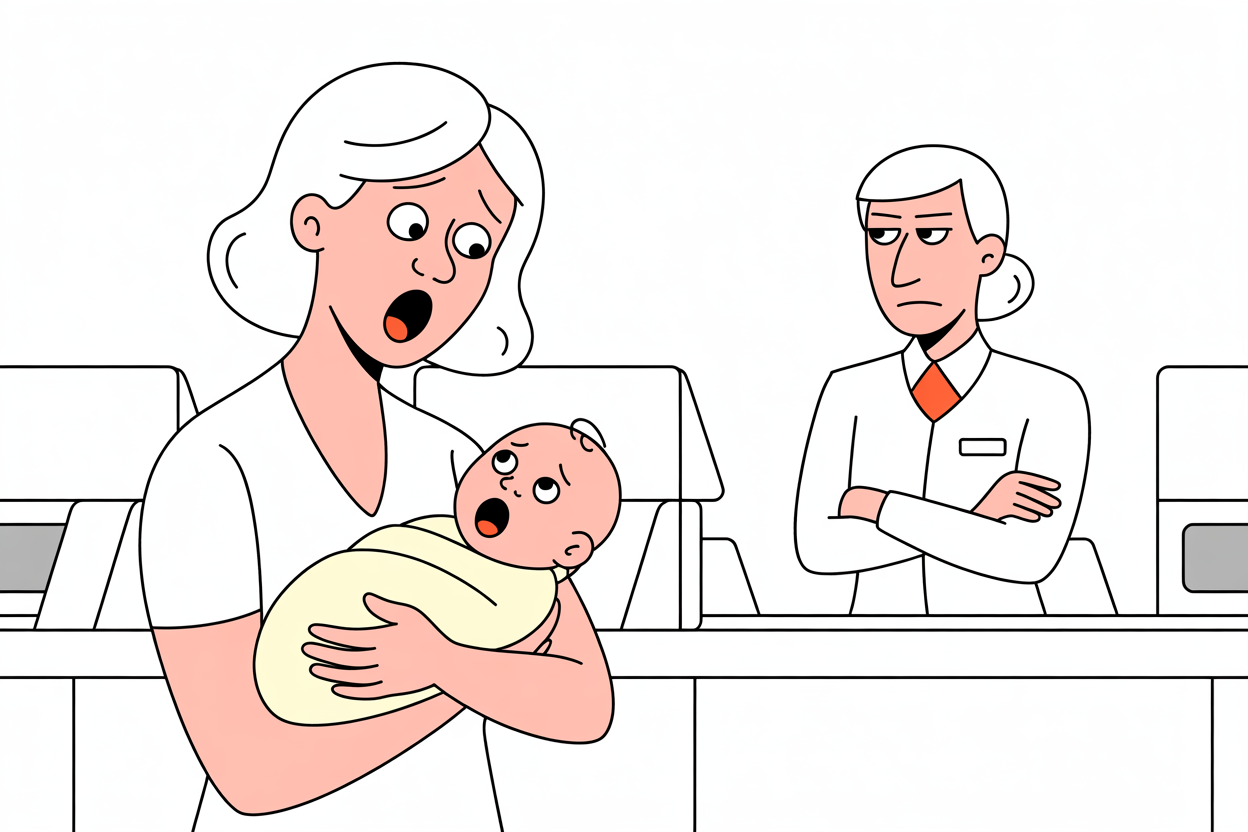
Allison Turpen booked a round-trip Aeromexico flight from Washington, D.C. to Oaxaca, and then the airline moved her connection to the next day. The new itinerary had her landing in Mexico City at 9:30 at night, with the onward flight not leaving until 6:15 the next morning, a layover of more than eight hours. She would be traveling with a newborn, and spending the night in an airport with a baby was not something she could do. So she asked to cancel and get her $1,360 back. She called nearly a dozen times. Aeromexico finally answered, and denied her, pointing to a line in its contract that says flights are subject to change. But Turpen was holding a ticket for a flight departing the United States, which raises a question a lot of travelers never think to ask: when an airline is the one that rewrites your trip, can it really hide behind “subject to change,” or do federal rules say something different?
Steve Miller thought he and his wife had valid tickets home. He had booked a Minneapolis-to-Dublin roundtrip through Orbitz, and when Aer Lingus canceled a segment, Orbitz rebooked them and confirmed the new itinerary. The My Trips page showed the change. The Aer Lingus app showed them booked. Everything said they were good to go. Then, at the gate in Dublin for the flight home, Aer Lingus refused to let them board, saying Orbitz had never properly confirmed the change. It turns out there is a critical difference most travelers never think about: a reservation holds a seat, but a ticket is the payment for it, and you can have a confirmation code with no valid ticket behind it. In the airline’s computer, the couple existed as passengers who had not technically paid. Stranded overseas and needing to get home that day, Miller was told the only seats left were in business class, at a price that ran into the thousands.
Rebekah Singleton booked a room with two queen beds at a Brooklyn hotel through Booking.com because she specifically needed the queen beds. What she got was something else entirely. The beds measured out to roughly 50 inches wide, a full size, not a queen, and the room itself was filthy: sheets marked with grease stains, hair, and what looked like suspicious red stains. The second room she was offered was worse, with red splatter across the floor. She did not feel safe, so she left that night and found another hotel. Then the real ordeal began. The hotel denied her photo evidence. Booking.com dragged the matter out for weeks and offered only a small goodwill credit. She disputed the $922 charge with her credit card, which briefly credited her before rebilling the entire amount once the merchant pushed back. She was left out nearly a thousand dollars for a room she never used, caught between a property, a platform, and a card issuer, each pointing elsewhere, and left asking what a booking site actually owes you when the room it sold bears no resemblance to the one you paid for.
James Phillips did everything by the book. He booked two first-class, round-trip tickets through the Hawaiian Airlines app, one for himself and one for his wife Linda, purchased one after the other on the same credit card. Within minutes, he had written confirmations for both. Then they got to the Honolulu airport. The agent told him his ticket was fine, but Linda’s, confirmed and paid for, had simply been voided. No one could say why. Her seat had already been sold to someone else. To get her on a later flight, Phillips had to buy a brand-new ticket that cost $575 more than the one he had already paid. The airline first hinted his card had been declined, then tried to pin it on a third-party booking channel he had never used, even though he booked directly and had the confirmation to prove it. Who should eat the cost of a mistake the passenger did not make, and what it took to get a straight answer, is where this case turns.
Michael Cawley and his wife had been looking forward to a relaxing six-day Rhine River cruise with CroisiEurope, a gentle start before they carried on to Dublin. What they got instead was a series of mechanical problems and a lot of anxiety. The ship stopped cruising early the first night. The next morning, scuba divers worked under the hull, the departure ran late, and an excursion was scrapped. Then, around midnight, the ship hit something. The hull shook, and at 1:30 a.m. every passenger was roused and herded into the lounge. By the next morning the verdict was in: the cruise was canceled, a bad motor. With nonrefundable travel waiting at the far end and no help yet in sight, the couple booked their own train and hotel to keep their connection, only to be offered an alternative too late to use. CroisiEurope returned the cruise fare. What it decided to do about the rest of their money, and the European law it leaned on to justify it, is where this case turns.
Krupa Singampalli had booked a United trip home from Australia for her family of four, with business class upgrades bought using miles and a copay for each passenger. The outbound leg went smoothly. The return became a nightmare. At 1 a.m. in Cairns, she opened the United app and saw her 74-year-old mother’s seat had quietly slipped to waitlisted. A schedule change had rerouted the whole family through Sydney, except the message announcing it had never reached her inbox. When they got to the airport, the partner airlines could not find their reservations, the agents pointed at one another, and a flight departed without them while she was still on hold. Desperate and unwell, she bought four new one-way tickets out of her own pocket just to keep moving. Only later did she learn what United had done with the seats she thought she still had, and what the airline would say when she asked it to make the whole thing right.
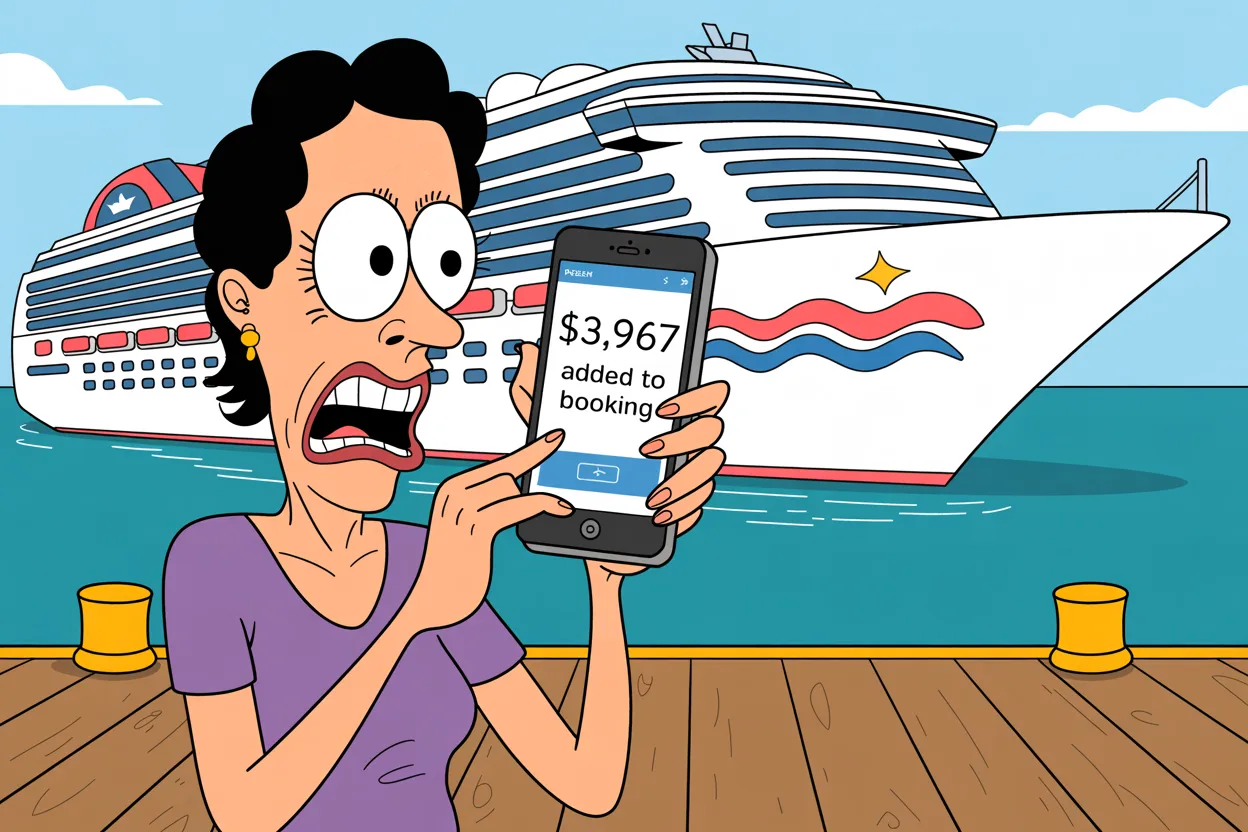
Robert Battaglia paid $2,369 for a Panama Canal cruise with Princess, booked through a travel agent, and he and his wife Norma paid the final balance a day before it was due. Two days later, he opened the Princess app and the reservation was gone. When his travel agent called, a representative said the couple were in default for nonpayment and owed roughly $2,000 more, though no one could say where the charge came from. It eventually traced back to a Princess Plus upgrade his wife had tried to add online, only for the website to report that the purchase failed and tell her to handle it later. Princess canceled the booking anyway and kept $1,298 as a cancellation fee, even though the account showed no balance due and the agent could see no pending charge. Here is the principle worth holding onto before you accept a cancellation like this: when a customer pays on time and the company’s own statement shows nothing owed, the burden is on the company to explain any later charge before it takes punitive action, not after.