




What's the book corporate America doesn't want you to read? Find out now -- or you could get scammed.

Miles or money?

April 15, 2002

Marc-Albert Michaud needed to fly to Los Angeles for a spring weekend, but sky-high airfares threatened to ground him. “I couldn’t find anything for less than $500,” he says. So at the last minute, he parted with 25,000 frequent flier miles and landed a seat on a United Airlines flight.

“The tickets were selling for $2000 at that point,” he says. “It was worth it.”

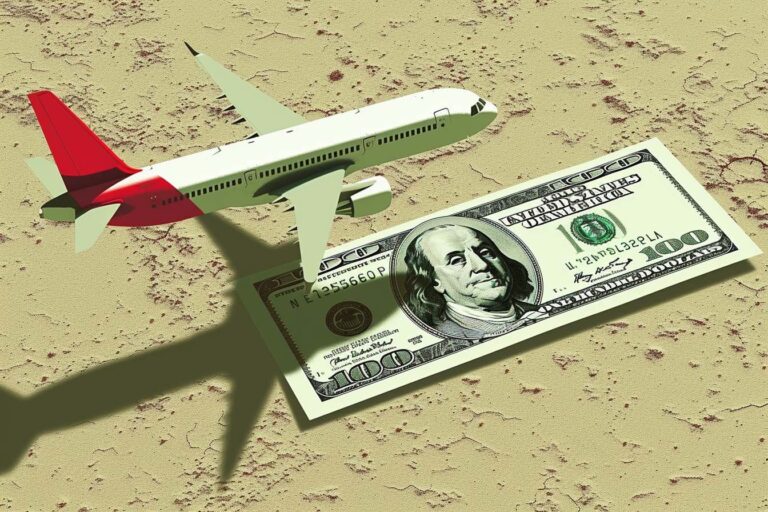
Cashing in frequent flier miles instead of paying for a ticket can be a great way to save money. But not always. There are times when putting up points is a prudent thing to do. And there are also times when you’re better off keeping your hard-earned miles. Knowing when can spell the difference between a substantial savings and overpaying for your trip.

Here are a few questions worth asking before you make a call:

Does it “cost” more to earn the miles? Simply forking over the points, regardless of the fare, is like throwing away money. Howie Morgan wanted to fly to Kansas City from Memphis last year to see the Ole Miss Rebels play in the NCAA basketball tournament, but tickets cost more than $700 by the time the game pairings were announced. “Thank goodness I had saved my Northwest WorldPerks miles for an occasion such as this,” he says. But if the fare had been a few hundred dollars less, Morgan might have opted to pay for his ticket.

Would you be better off combining cash with miles? Michael Diamante wanted to fly his parents to Asia recently, but tickets were selling for $1,300 each. Northwest was offering a cash-and-miles promotion that allowed him to combine a $319 payment with 20,000 miles per ticket. “My parents saved over $1500 and I ended up requalifying for elite status,” says Diamante. It’s rarely an either/or proposition with an airline when it comes to frequent flier miles. There are lots of ways to secure a ticket using a combination of miles and cash (more on this in next week’s column).

Are miles the only way to achieve your ticket objective? If you’ve developed a taste for premium seats then you probably know that no one pays for first class. They score an upgrade using miles or their power of persuasion. Pam Heldenbrand got tickets to the front of the cabin using her OnePass frequent flier miles when she traveled to Paris on Continental Airlines recently. “I usually like to use miles for first-class upgrades,” she confesses. That’s because paying for the upgrade is usually too pricey. Cashing in miles makes more sense.

Is there a better way to get the ticket? The airlines’ objective is to fill empty seats, and miles are just one way that it can make that happen. Redeem your miles when it’s beneficial to you, not the carrier. Eric Brown, also a Continental Airlines frequent flier, says it pays to pay attention to weekend fares. “I frequently use the weekend e-savers because they provide good value. However, I always purchase the tickets,” he says. Brown uses a formula of one cent per mile to figure out if the transaction is worth it. If it’s cheaper to pay cash or jump through weekend fare hoops, then he’ll pay up instead of cashing out.

If it isn’t already obvious, then let me spell it out for you: Deciding when to redeem your points is more of an art than a science. Although there are some rules (award levels are different, and some miles expire, so keep that in mind) there are also many ways to snag an airline ticket. The questions and cases I’ve mentioned can help you reach the right conclusion. But use them as guidelines rather than hard-and-fast rules.

Christopher Elliott is the author of Scammed: How to Save Your Money and Find Better Service in a World of Schemes, Swindles, and Shady Deals. Critics have called it “eye-opening” and “inspiring” — it’ll “grab your attention and won’t let go.” Order your copy now on Amazon, Barnes & Noble or iTunes.

Be the first to comment

Previous post:

Next post: