
in this commentary
- Travel insurance used to be an afterthought, but post-pandemic risks have made it a financial necessity for big-ticket vacations.
- From “cancel for any reason” upgrades to money-saving annual policies, find out which coverage actually fits your travel style.
- Learn the specific steps to file a claim that gets paid, including why a phone call is often the wrong way to start a dispute.
If you’re not thinking about buying travel insurance for your next trip, you probably should. In a world filled with danger, anything could happen. Here’s our guide to finding the best travel insurance.
What you need to know about buying the best travel insurance
Travel insurance companies make money by charging premiums and assuming risk — that is, the risk something will go wrong with your trip. Paying fewer claims increases profitability. So when you choose a travel insurance policy, make sure you’re dealing with a company that’s reputable and fair. Avoid no-name, fly-by-night operators that offer cut-rate policies but never pay a claim.
Travel insurance companies often use fear and uncertainty to sell their products. It’s a highly effective sales tactic. But they often fail to mention that you may already be covered by your car or health insurance, or by your credit card issuer. It’s something to keep in mind. You might already have the best travel insurance policy for your next trip.
Travel insurance used to be an afterthought to a trip. But the pandemic has changed everything. For 2026, insurance experts are telling me that fully 80 percent of travelers are buying insurance on certain big-ticket vacations. Before the pandemic, it was less than one-third. And there’s a lot of fear and uncertainty for 2026, with war, inflation and more travel disruptions ahead.
Your voice matters
Before the pandemic, most travelers skipped insurance. Now, 80 percent buy it for big trips. But with so many exclusions and “gotchas,” finding the right policy feels like a gamble. We want to hear your thoughts.
- Do you buy travel insurance for every trip, or do you roll the dice on shorter domestic vacations?
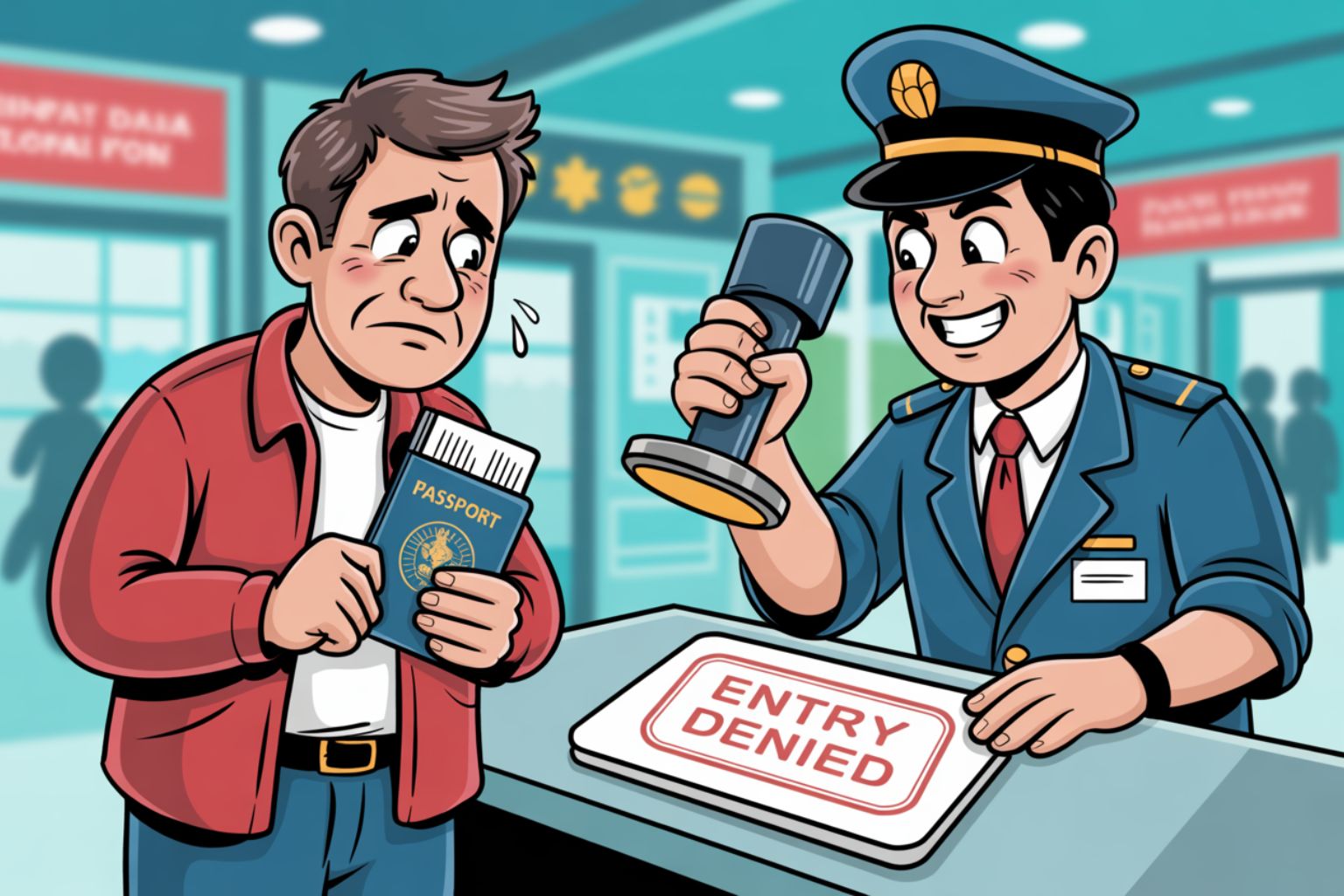
- Have you ever had a claim denied because of a technicality, like a “pre-existing condition” or a missing receipt?
- Do you trust the insurance policy offered by your airline or cruise line, or do you always shop for a third-party plan?
What’s travel insurance?
Travel insurance covers trip cancellation or interruption, lost luggage and medical expenses while you’re traveling.
Do I need travel insurance?
The answer is yes if any of the following are true:
- If you’re spending more than $5,000 on a vacation. That’s known as a “big ticket” purchase, and it should be insured. (Some travel experts say the number is closer to $3,000 for travelers in 2026.)
- If you’re a nervous traveler, and you just need the peace of mind that comes with a policy. Even if you can’t recover all of your money, you may still be able to take advantage of certain benefits, like trip interruption coverage. Travel insurance can sometimes literally save the day.
- If you’re cruising or taking a package tour. Cruise lines used to be flexible when it came to allowing passengers to rebook missed cruises. Tour operators were also more lenient. Not anymore. A policy can protect you.
- If you have a complex or lengthy itinerary. If you’re on a tour with a lot of moving parts, then insurance could be useful. When one part doesn’t go as planned, the right policy can help you make a quick recovery.
- Anytime you leave the country. Medical providers outside the U.S. often ask for “upfront” payments for medical services that can cost thousands of dollars, and travel insurance can guarantee these payments. (This is also true for medical evacuations and repatriations, which can cost tens or even hundreds of thousands of dollars.)
- If you’re on Medicare and are traveling internationally. You’ll want to consider a policy that includes medical expenses, since Medicare doesn’t typically cover events outside of the country.
When should I skip travel insurance?
- If it’s a short, simple, and inexpensive trip within the United States.
- If you’re spending less than $5,000. Or if you don’t mind losing the value of what you’ve prepaid for your trip should something happen before or during your vacation. Also, if you have insurance that would cover a medical emergency or medical evacuation, you may not need an additional policy.
- If your trip includes components that aren’t covered by insurance. For example, say you’re staying at a friend’s house, using a voucher, or redeeming frequent flier miles for your vacation. Travel insurance would probably be minimally useful. Some travel insurance policies may cover the cost of redepositing miles when you need to cancel for a covered reason.
- If you have a pre-existing medical condition that insurance wouldn’t cover. Read your policy carefully; some travel insurance policies do cover existing medical conditions when certain requirements are met. Normally, pre-existing conditions can be covered if they are controlled by medication, and if you buy the policy within a certain time after making the initial deposit for your trip.
- If coverage would be redundant. For example, if your credit card or other insurance would cover the same event, then don’t worry about it. Note that some cards won’t cover items like medical evacuations, so if that’s important, then think about buying insurance. (Most credit cards do not cover medical expenses, and hardly any credit card will cover you for cancellation and interruption.)
How do I find the right travel insurance policy?
An online search for “travel insurance” is likely to pull up a long and confusing list of travel insurance choices, but there are really just three options.
Buy direct
Companies sell insurance policies directly to travelers, usually online. The big players are Allianz Travel Insurance, Generali Travel Insurance, Travel Guard, and Travelex. A full list of other insurance companies worth checking out is on the US Travel Insurance Association’s website.
Buy through your travel company
Many travel companies, including airlines, cruise lines, and tour operators, offer optional insurance directly to consumers. These can be a good deal, but it’s worth shopping around before deciding to buy one of these policies. Also, be careful of tour operators or cruise lines that offer generic protection services. These are waivers (not insurance) or a combination of a waiver and insurance. They often don’t cover you if the company goes belly-up. (Related: Can a travel insurance app really keep you safer? Here’s the surprising answer.)
Buy through a travel agent or third party.
Your travel agent may offer an insurance policy. (More on buying through an agent in a moment.)
You might also consult an online company that specializes in comparing and evaluating insurance policies, such as Travel Insurance Review, Trip Insurance Store, and InsureMyTrip.com. These can be useful ways to quickly find the best policy for your needs.
Where do I find a travel insurance policy that’s right for me?
The first time you’ll have the option of buying an insurance policy will probably be when you book a trip through a travel company or an agent. It’s easy to overlook insurance, so it’s a welcome reminder.
Still, experts generally warn you shouldn’t buy the first policy you see —no matter how attractive the insurance or how hard the sell is. (A few years ago, I would have said travel agents were the worst offenders in this department, but nowadays, websites try to sell insurance by using high-pressure tactics to persuade you to “protect your trip” in bold uppercase letters, making human agents look downright polite.)
Consult with at least two of the three travel insurance sources. Travel insurance is extremely competitive, and by checking with multiple sources, you won’t just find better terms or prices, but also avoid buying a potentially useless policy.
What should I look for in a travel insurance policy?
When comparison shopping, you’ll want to find a policy with features that match your own needs as closely as possible. Here are a few coverage areas to be aware of.
Accidental death — Provides cash payment for accidental loss of life or limb while traveling.
Baggage — This benefit provides reimbursement for lost, stolen, or damaged baggage or personal items. The coverage usually applies to your entire trip, not just your flight. A subset of this coverage is for baggage delay, which offers reimbursement for purchases of clothing, toiletries, and other essential items if your luggage is delayed for more than a specified period of time. (Here’s our guide to finding your lost luggage.)
Cancel for any reason — This is a subset of trip cancellation (usually available for a slightly higher premium), and provides for cancellations that aren’t covered by the basic coverage. You may be reimbursed up to 80% of your nonrefundable trip payments and deposits if a trip is canceled for a reason other than a “covered reason.”
Deductible — The deductible is a co-pay amount, which is the responsibility of the insured. Options vary by plan, and can range from $0 to $2,500. Deductibles can be charged per policy, per individual, per incident, or a combination thereof. Most medical plans require you to select a deductible option, while most travel protection plans offer a zero deductible benefit.
Emergency medical and dental — This pays for the cost of treatment associated with a medical or dental emergency that happens while traveling. This coverage may be secondary to your primary health insurance coverage. Some policies offer emergency medical transportation, which arranges to transport a patient to an appropriate medical facility. Some policies may also cover the cost of bringing a friend or family member to you, or getting your children home. Medical repatriation benefits may include arranging and paying for the cost of getting you home, including by air ambulance, which can be extremely costly.
Employment layoff — This provides reimbursement for prepaid, non-refundable trip payments and deposits if you have to cancel a trip because of an involuntary layoff, or termination of employment. Review this paragraph carefully if you think you might make a claim. It can be restrictive. This is usually a “named peril,” or covered reason, for a trip cancellation or interruption policy.
Missed connection — This offers reimbursement in the event of a missed flight connection, or for the additional costs to “catch up” to a cruise if the cause of delay is an accident or bad weather. This is often a subset of trip cancellation or interruption coverage. To be eligible for this coverage, you may have to show that you allowed enough time to reach your flight or cruise, and that no alternative way to get there when a problem arose.
Financial default — This coverage is normally offered in the event of a company’s complete cessation of operations due to financial circumstances. The operator doesn’t have to file for bankruptcy. Read this paragraph very carefully, since there’s no standard language. This is a covered reason — or “named peril” — of a trip cancellation or interruption policy. Not all travel insurance policies cover supplier bankruptcy. Most travel insurance companies publish a list of travel suppliers that they either cover or exclude for financial default.
Life insurance — This coverage provides an accidental death or dismemberment benefit while you’re enrolled. Coverage can include accidental death and dismemberment while using public transportation or flights. (Although this benefit is sometimes referred to as “life insurance,” it is technically a benefit, not a life insurance policy.)
Rental car damage — This coverage offers collision loss/damage insurance for rental cars, and covers the costs of damage to, or theft of, a rental car.
Terrorism — This clause covers you in the event of a terrorist incident. Bear in mind that some plans only provide coverage if you are scheduled to arrive at your destination within 30 days of the incident, while other plans only offer foreign coverage. This is a subset of a trip cancellation or interruption policy.
Trip cancellation — This coverage reimburses you for non-refundable trip payments and deposits if a trip is canceled for illness, injury, death, or other specific reasons, or if your destination is uninhabitable. Most trip cancellation language is standard, but it’s worth reviewing to make sure it will cover you in the event your trip is called off.
Trip interruption — This coverage offers reimbursement for nonrefundable trip payments and deposits if a trip is interrupted for illness, injury, death, or other specific reasons. Again, read the language carefully to be sure of what is and is not covered.
Travel delay — This provides reimbursement for meals and accommodations when a trip is unexpectedly delayed for more than a specified length of time. Always call your insurance company before you make a travel delay claim, to make sure the terms will apply to your situation. Don’t forget to save your receipts when you make a travel delay claim.
Weather — Most policies will include coverage if travel is delayed due to a mandatory evacuation because of a hurricane or other meteorological event. Be careful with this one. Some policies offer cancellation coverage if only one part of your trip can’t be taken (if, say, your hotel is closed), while others stipulate that the airport or airline has to cancel its flights.
Which policy to buy? Unfortunately, there’s no quick and easy answer. Everyone has to find the right source, and carefully compare policies.
Yep, it turns out that finding the right travel insurance policy can be a lot of work.
What’s the worst travel insurance “gotcha”?
Clauses that address pre-existing or existing medical conditions. They could affect your ability to make a successful claim. If your policy offers a waiver for existing medical conditions, be sure that you qualify for the waiver by meeting all of its conditions. Not meeting these requirements is one of the reasons for having an insurance claim denied.
What’s the difference between “named perils” and “cancel for any reason” travel insurance?
There are two basic types of travel insurance policies. The more common is the ‘named peril’ policy, which allows you to cancel or interrupt your trip if you experience a “covered reason.” Your policy will include a list of “covered reasons” for cancellation or interruption and will pay you 100 percent of your non-refundable trip costs when you cancel for one of those reasons. These can include an injury to or illness of a close family member or a traveling companion.
The other type of policy: cancel for any reason. It allows you to cancel a trip for almost any reason (there may be exclusions, so read the fine print) and will pay you a percentage of your non-refundable trip costs. Cancel for any reason coverage is generally more expensive than a named perils policy.
How much should I pay for travel insurance?
No two travel insurance policies are exactly the same. They vary based on your age, state of residence, and type of coverage you want.
Travel insurance typically costs between 4 and 8 percent of your trip’s prepaid, non-refundable cost. However, a “cancel for any reason” policy can run you 10 percent of the non-refundable cost, or slightly higher. Your policy may be more expensive if you’re older or engaging in a risky activity that makes a claim more likely, but generally speaking, your premium should be in that range.
A word of warning: If the policy is less than 4 percent of the cost of your vacation, that should raise the same red flags as if it’s more than 10 percent. Too-good-to-be-true “trip protection” policies have cost travelers millions — and perhaps tens of millions — in unpaid claims. If it’s really travel insurance, a reputable insurer will underwrite it. One way to check if your insurer is reputable is to see if they are a member of the U.S. Travel Insurance Association.
At the same time, policies that cost significantly more than 10 percent are a reason for concern. Read the terms very carefully, and make sure there’s a good reason you’re paying that much for your insurance.
When should I buy insurance?
You can purchase travel insurance up until the day before you travel from some travel insurance companies, but the sooner you buy your policy, the better.
Why? Well, let’s say your airline declares bankruptcy between the time you book your vacation and your departure date. You’ll still be able to buy a policy the day before your departure, but if your airline has already filed for Chapter 11 protection, then the policy won’t cover you if the airline stops flying.
Another reason: Most travel insurance policies will offer coverage for preexisting medical conditions that are under control, if you buy the insurance within a couple of weeks of your first trip payment (other conditions also might apply). Since up to 20 percent of claims could be traced to pre-existing medical conditions, this could be an important point, and it removes another potential reason for denying a claim.
So buy the policy sooner rather than later, keep it in the 4 to 8 percent range, and you’re on your way.
I just bought a travel insurance policy. Now what?
Conventional wisdom says you wait until something goes wrong, and then file a claim. But there’s a little more to it.
Your travel insurance company wants to hear from you. It needs to hear from you if you want to be a successful user of a travel insurance policy.
Here’s when to contact your insurance company:
- If your policy contains an error. If you see something on your policy that is incorrect, such as a misspelled name or incorrect dates (such as birth dates or travel dates), or anything else that is inaccurate, contact your insurance company immediately. Ask the company to fix the error. Inaccurate information can delay your claim.
- When something changes. If any of the circumstances under which you purchased your policy have changed — such as your travel dates have shifted several times, you’ve added costs or travel suppliers to your trip, or you’ve moved — then it’s best to let the company know.
- When something unexpected happens. Many travel insurance customers are unaware that their policies cover items like trip interruption, or will provide assistance when something goes wrong. So, when something that you didn’t expect happens while you’re traveling, get in touch with your insurance company through the emergency number that they provide. You never know; you might be covered.
- If you have a question about your policy. It’s better to ask about your policy, and what it does and doesn’t cover, before it becomes an issue. For example, say your policy covers a trip if you lose your job. If you think a pink slip is coming, this might be a good time to inquire about what’s covered.
Timing is important. Read your policy when you receive it, and call if you have questions. Many travel insurance companies offer a “free look” period (normally 10 to 15 days) for all of their insurance policies. If, after reviewing your policy, you decide that it doesn’t meet your needs, you can cancel it (as long as you haven’t departed on your trip), and receive a full refund.
Should I write to my insurance company, or call?
Most travelers feel that picking up the phone is more convenient, but that’s an instinct you should resist. It may be easier, but having an answer in writing—usually by email—is far more useful. It also creates a necessary paper trail. You can refer to it if you should ever have to make a claim. If you must call, be sure to get the name of the person you spoke with. Make a note of the time and date.
How about your travel agent or insurance agent? They’re not off the hook after you’ve purchased your policy. Many states require insurance agents and travel agents who sell insurance to be licensed. If an agent has sold you a policy with promises of coverage, and the insurance didn’t cover you, then you need to connect quickly with the agent.
A travel agent or insurance agent can act as an advocate when your claim has been denied. Bear in mind, though, that there may be some privacy restrictions that limit your agent’s involvement. You should never rely on them for authoritative information about coverage. In fact, a good agent will insist that you review your policy for yourself before buying.
Always direct your communications to the primary source: your insurance company. In the event of a dispute, it’s the insurance company’s coverage promises (made through its policy)—not those of your agent—that matter.
If you receive correspondence from your insurance company, review it thoroughly, and call the company if you have questions. If you must have a phone conversation, confirm the substance of the conversation later in an email.
Believe it or not, travel insurance companies want to hear from you before, during, and after your trip. Why? They are as keen as you are to avoid some of the claim horror stories that you might have read, and the only way to do that is to keep an ongoing dialog with their customers.
Travelers who purchase a policy as an afterthought — clicking a button after they’ve booked an airline ticket or hotel — and then forget about their insurance until they have a problem, are the most problematic. They’ve probably made an uninformed purchasing decision and a boatload of unwarranted assumptions.
Buying travel insurance is as important as your selection of an airline, cruise line, car rental company, or hotel. Becoming a power user of your policy is just as important.
I’m insured, so everything is covered, right?
No. Travelers often believe that if they’re buying travel insurance, the policy covers their entire trip. It doesn’t, despite what you think your agent told you when you purchased the coverage. No policy covers everything. Rather, it covers you under certain circumstances. Please don’t wait to read your policy until you have to file a claim. By then, it could be too late.
How do I file a travel insurance claim?
First, the good news: According to the US Travel Insurance Association, insurance companies honor about 90 percent of insurance claims.
Now, the bad news. If you’re among the 10 percent who have been rejected, prepare for a long struggle to have your claim paid.
You don’t want to end up there.
How can you avoid it? Make sure your initial claim does everything it should.
Call your insurance company before you file a claim
Ask what it needs from you, and if there are any restrictions that might make a claim unsuccessful. For example, some policies that cover medical problems require that you seek treatment within 24 hours of an incident.
Read your policy
You should have done this before buying the insurance. Now you have to read the fine print with an eye toward answering this question: Will my claim be honored?
Keep all receipts
In fact, you’ll want to retain every scrap of paperwork that could even remotely relate to a claim. That includes notes from any telephone conversations. Don’t throw anything away.
Ask for everything in writing—bills, invoices, receipts, hotel folios
You can never have enough documentation.
Get the cause of delay in writing, if possible
Insurance companies reject many claims because travelers can’t prove a cause of delay. Remember to document the cause of any delay, preferably in writing. Finding out the reason long after your trip can be difficult—if not impossible.
How should I send in my claim?
Send it by email. Your travel insurance company may also have an online portal. If you send through the portal, keep all of your paperwork. If possible, get a case number or confirmation so that you know the company has your paperwork.
What do I include with my claim?
Don’t limit yourself to filling out whatever forms the company sends you for filing a claim. Feel free to include whatever else might be helpful to the claims adjuster.
The key is to answer every question the travel insurance company might have before it asks. That will speed up your resolution. For instance, on a medical-related claim, the insurance company will probably send you a bare-bones form, along with a medical records release. But if you happen to have some of the records that might be relevant to approving your claim, it’s helpful to send them along with the document before the adjuster asks for them.
Make the process as easy as possible for the adjuster. If you include a lot of paperwork, don’t forget a cover page guide with a list of documents. While you might be familiar with what happened on your trip, the adjuster isn’t.
How long will it take to settle my claim?
Claims typically take between two and four weeks to process. But some complicated claims that require more extensive research by an adjuster can take longer. Expect to receive a form acknowledgment of your claim. You’ll get a final decision within roughly a month, but no more than two months.
If you’ve waited longer than six weeks, contact your travel insurance company to find out the status of your claim. You may need to refile. (Insurance companies sometimes lose paperwork.)
A good portion of the inquiries I get regarding travel insurance involve the sometimes lengthy wait for claims. There are two main reasons for a delay. First is that a large natural disaster (such as a pandemic) triggers thousands of claims, and second is that additional research is required on the part of the adjuster.
Many claims are denied because of pre-existing medical conditions. As I mentioned before, you should try to find a policy that covers pre-existing conditions. Also, make sure the policy covers all your traveling companions, especially if they aren’t related to you by blood or marriage.Some policies don’t.
A rejection isn’t the insurance company’s final word. It only means that the company won’t approve the claim based on the information you provided. A brief, polite written appeal with any new information that you believe is relevant to your case is the first step in getting the company to reverse its decision.
Most insurance companies take appeals seriously, and typically assign them to several more senior adjusters. Their goal is to make sure the first adjuster did not overlook anything. This process can take as long as the initial claim, so remain patient. In my experience, however, insurance companies answer appeals faster than the first claim.
How do I file an additional appeal?
For most appeals, “no” is the final answer. Next decision: Do that or take your appeal to the next level?
- Often, a hard look at your claim by an independent third party will reveal that you don’t have a case. (I’m sometimes that person.) Maybe the insurance company doesn’t cover the event. Maybe you don’t have a required receipt to back your claim. Now is a good time to take another look at your claim and appeal, and decide whether it’s worth continuing with your appeal.
- Send a brief, polite email to your insurance agent or travel agent, notifying whichever is appropriate of your rejection. Agents often can and do act as intermediaries when something goes wrong with a policy. Remember, they took a commission on your policy. So they have some skin in the game.
- Contact your state insurance commissioner. If an insurance company rejects your claim without cause, your insurance commissioner may be able to help. To find your insurance commissioner, visit the National Association of Insurance Commissioners site. Simply copying your state insurance commissioner on an appeal is sometimes enough.
- Take the agent or your insurance company to small claims court. You don’t need an attorney to go to small claims court, but there’s a limit on the claim amount. So be sure to do some homework before filing a complaint. Typically, this is your last resort. If your agent or insurance company prevails in small claims court, you are usually out of options.
Where can I find executive contacts at the travel insurance companies?
We publish a list of insurance companies on this site.
How to find the best travel insurance
Don’t let fear drive your purchase—use this checklist
When to buy (and when to skip)
Know what you are buying
How to file a winning claim
What you’re saying
Readers agree: the details matter. Top commenter Jennifer says understanding the difference between “covered reasons” and “cancel for any reason” is the only way to avoid expensive mistakes. Others shared their best tips for finding deals and getting paid.
-
Read the fine print or pay the price
Carol Sherwood canceled a policy after realizing it didn’t cover her adult children. Tab Stone warns about exclusions for hazardous sports like scuba diving. Both emphasize that you must read the exclusions immediately.
-
Document everything
K Bell successfully claimed a Covid-related cancellation in Greece but had to submit “165 pages of documentation” to get paid. Annie M advises calling the insurer immediately when trouble strikes to ensure you get the right paperwork before you leave.
-
Where to find the best deals
Steve Rabin recommends checking Costco for discounts on premium plans. Jeffrey Bigman suggests using comparison sites like InsureMyTrip, noting that buying direct is almost always cheaper than buying through a cruise line or tour operator.